Neolithic Warriors Took Trophies from Invading Tribes
▼ Summary
– A Neolithic community in northeastern France may have clashed with foreign invaders, brutalizing prisoners and cutting off limbs as war trophies.
– These findings challenge the view that prehistoric violence was indiscriminate or purely pragmatic.
– Neolithic Europe experienced various forms of collective violence, including massacres and cannibalism, as seen in remains from Spain.
– The Upper Rhine Valley saw armed conflict and cultural upheaval from 4295 to 4165 BCE, with evidence from fortifications and skeletal trauma.
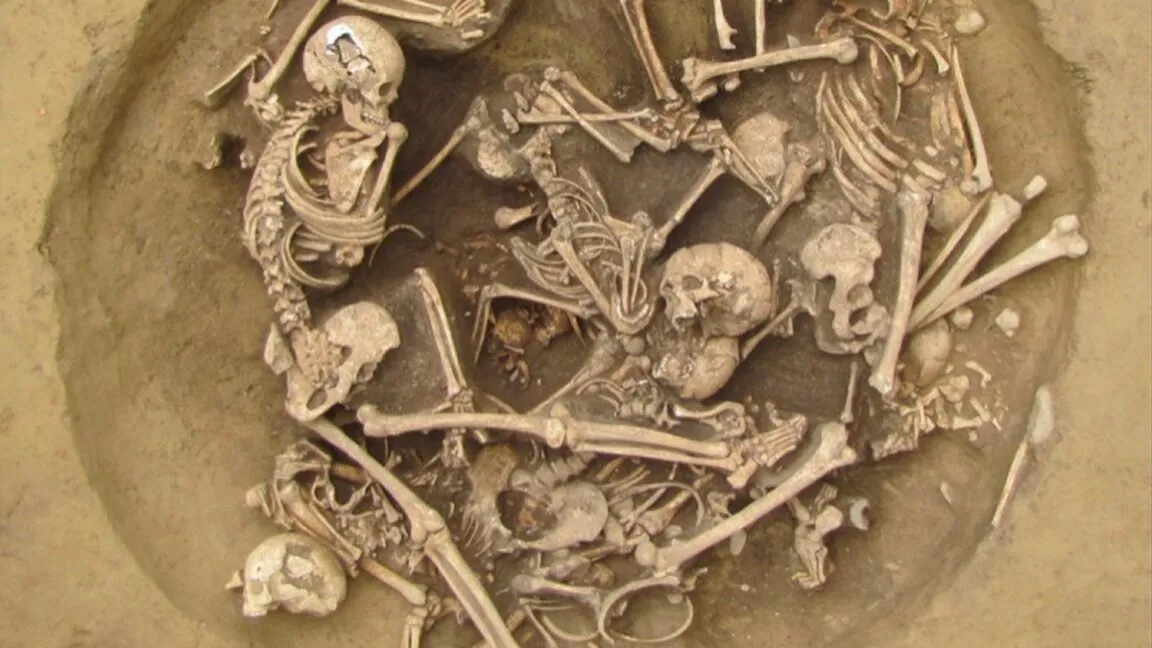
– Analysis of remains from Alsace pits showed unhealed trauma, excessive violence, and severed limbs, alongside some traditional burials.
A remarkable archaeological discovery in northeastern France suggests that Neolithic communities engaged in ritualized warfare, taking body parts as trophies from foreign invaders. This finding, detailed in a recent study, offers a stark new perspective on prehistoric conflict, moving beyond simple explanations of random violence or resource-based disputes to reveal complex social and symbolic behaviors.
During the late Middle Neolithic period, the Upper Rhine Valley experienced significant cultural shifts as groups from the Paris Basin moved into the region. Evidence from this era includes fortified structures, large settlements, and numerous skeletal remains displaying violent injuries. Researchers now believe these finds point to organized armed clashes rather than isolated incidents.
The study centered on human remains recovered from two circular pits at Achenheim and Bergheim in France’s Alsace region. Analysis revealed that many individuals suffered unhealed trauma, such as skull fractures and signs of overkill violence. Particularly striking was the repeated absence of left upper limbs, suggesting deliberate removal, possibly as war trophies.
In contrast, some skeletons showed no trauma and appeared to have received conventional burials, hinting at a distinction between community members and outsiders. This selective treatment implies that violence was not arbitrary but followed specific cultural or symbolic rules.
These findings align with other Neolithic discoveries across Europe, such as the remains from El Mirador Cave in Spain, where evidence of cannibalism indicates systematic violence between herding groups around 5,700 years ago. Cut marks, fractures, and human tooth marks on those bones point to skinning, dismemberment, and consumption, practices that may have served to intimidate or dominate rivals.
The new research challenges earlier assumptions that prehistoric violence was solely functional or opportunistic. Instead, it suggests that Neolithic societies may have used ritualized brutality to assert power, demoralize enemies, or even integrate captured individuals into belief systems. The removal of limbs, in particular, may have held deep symbolic meaning, possibly related to displays of victory or spiritual beliefs.
As archaeological techniques advance, our understanding of early human conflict continues to evolve. What once seemed like random acts of cruelty now appear as calculated expressions of identity, territory, and social structure. The trophies taken by these ancient warriors were not just bodily remains, they were messages carved in bone, meant to be remembered.
(Source: Ars Technica)