Apple’s 50-Year Legacy: Successes and Shortcomings

▼ Summary
– The Vergecast episode features an interview with Jason Snell to assess Apple’s current performance using a modified version of his annual report card.
– The show discusses Apple’s new push into video podcasts with Anil Dash, exploring potential impacts on the traditionally open podcast ecosystem.
– Anil Dash, a blogger and entrepreneur, provides insight into why Apple’s move into video podcasts might not be entirely positive.
– The episode includes a segment where The Verge’s Allison Johnson helps answer a listener question about replacing a phone with a smartwatch.
– The discussion on smartwatches concludes that while living phone-free with a wrist computer is improving, significant limitations remain.
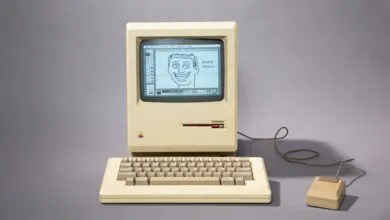
As Apple marks its 50th anniversary, a natural question emerges: how is the iconic company faring today? By financial metrics, the answer is overwhelmingly positive, with its status as a trillion-dollar company firmly intact. Yet Apple has historically defined success not just by market valuation but by a reputation for building superior products, from better software to better hardware, often with a focus on innovation and responsibility. To assess this broader picture, longtime Apple analyst Jason Snell recently joined a discussion to evaluate the company’s current standing, adapting his well-known annual report card format for a fresh perspective.
This examination reveals specific areas where Apple’s strategy seems to be shifting. One notable change is the company’s growing interest in video podcasts. This move, analyzed with input from web thinker Anil Dash, represents a significant pivot. Podcasting as a medium has flourished largely due to its durably open and decentralized nature, developed over decades. The integration of video, particularly under Apple’s influential platform, carries the potential to reshape that open ecosystem. However, this shift does not inherently mandate a closed system; the future could still support both innovation and accessibility.
Beyond software and services, the hardware experience is also evolving. The prospect of relying solely on a smartwatch, leaving your smartphone behind, is becoming more feasible. Advancements in cellular connectivity and app functionality on devices like the Apple Watch are slowly enabling this wrist-based computing lifestyle. While progress is being made, the transition is not seamless. Current limitations remind us that the vision of a truly phone-independent wearable experience is improving, yet still has considerable ground to cover before becoming a practical reality for most users.
(Source: The Verge)