Teen Minecraft YouTuber Raises $1.2M for Giggles Meme Market
▼ Summary
– Giggles began as a viral meme about a fake app in 2023, created by nineteen-year-old Justin Jin as a joke response to TikTok ban rumors.
– The concept became a real app after a landing page attracted 100,000 visits in a day, leading Jin to build it with co-founder Edwin Wang, whom he met as a YouTuber on Minecraft.
– The app is a marketplace combining TikTok-style videos with trading, where users invest “aura points” (and soon cryptocurrency) in memes to earn money if they gain traction.
– The company raised a $1,234,567 funding round led by investor 1k(x), which the author verified as real despite initial suspicions fueled by Jin’s past promotional tactics.
– Jin argues the platform can help organize information and combat bot problems in social media by having users trade on viral content, though he acknowledges similarities to zero-sum meme coins.
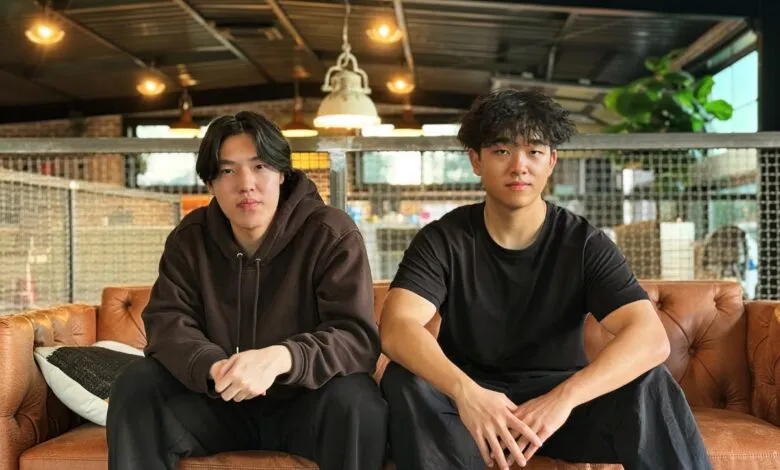
The line between an elaborate online joke and a legitimate tech startup has never been thinner. Justin Jin, a 19-year-old former Minecraft YouTuber, has secured $1.2 million in funding for Giggles, a platform that began as a viral meme. The concept, which Jin summarizes as combining a trading app with TikTok, emerged from a 2023 trend where users joked about a fictional app called “Giggles” in response to stale memes. After a simple landing page attracted 100,000 visits in a single day, Jin decided to build the joke into reality with co-founder Edwin Wang.
Their background is unconventional for tech founders. Jin previously operated a dubious Minecraft marketplace that was shut down, while Wang was a friend from those online ventures. Together, they are creating an invite-only beta app where users post short-form “brainrot” videos and invest virtual “aura points” in content they believe will go viral. The plan is to soon integrate actual cryptocurrency trading, allowing users to profit from correctly predicting meme trends. Jin’s ambitious goal is to create the first crypto app where users spend over 30 minutes daily, capitalizing on the dopamine-driven doomscroll cycle to ensure high retention.
The surreal nature of the venture, from its origins to its precisely quirky $1,234,567 fundraise, initially fueled deep skepticism. Research into Jin’s past company revealed questionable testimonials, amplifying doubts about its legitimacy. However, confirmation from lead investor 1k(x) verified the deal as genuine, moving the story from potential prank to actual startup. This journey through uncertainty feels appropriate for a product born from an internet culture where authenticity is constantly questioned.
Jin argues that Giggles addresses a core flaw in modern social media: the rising tide of bots and AI-generated content. He believes that by having users financially speculate on what content will trend, the platform creates a “downstream effect of actually organizing information.” This model attempts to filter signal from noise in an era he describes as overwhelming for his generation, leading to a nihilistic “brainrot” humor that thrives in anonymous, low-stakes environments.
The team of eight, with Jin as the youngest, is undertaking what he openly calls a high-risk gamble. He distinguishes Giggles from pure-chance gambling, like lottery tickets, yet acknowledges its resemblance to volatile meme coins. These cryptocurrencies, often based on jokes and prone to scams, currently represent a zero-sum game. Jin’s vision is to evolve that model into a platform that provides both entertainment and valuable information curation.
Whether a crypto-based meme marketplace can genuinely combat bot proliferation and restore a human feel to social media remains an open question. What is certain is that Justin Jin represents a new archetype of founder, emerging directly from the chaotic, meme-saturated frontiers of the internet, and his venture is a fascinating experiment in whether online culture can be harnessed as a viable economic engine.
(Source: TechCrunch)