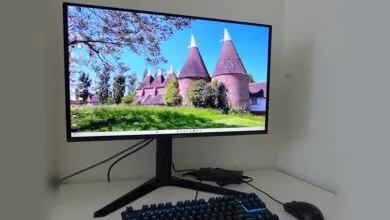
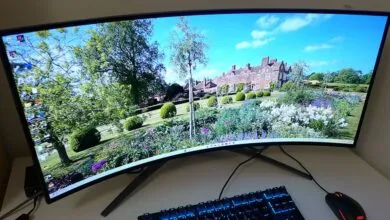
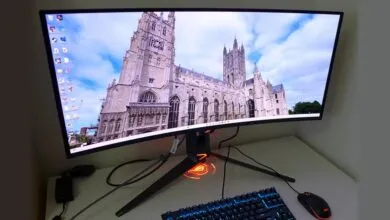
Acer Predator X34 X0 Review: Ultra-Wide, 200Hz Mini LED Gaming

▼ Summary
– The Acer Predator X34 X0 is a 34-inch curved gaming monitor praised for its exceptional HDR performance, high brightness, vivid color gamut, and smooth 200Hz refresh rate.
– It features a Mini LED backlight with 1,152 dimming zones and a VA panel, delivering deep contrast and near-OLED black levels at a lower price point than OLED displays.
– The monitor includes premium build quality, a functional stand, useful features like a headphone hook and USB-C, and front-facing speakers with good sound quality.
– A notable limitation is that its overdrive (motion blur reduction) and Adaptive-Sync (VRR) features cannot be used simultaneously, which may affect users with PCs that cannot maintain high frame rates.
– It is positioned as a compelling, high-value alternative to more expensive OLED monitors, excelling in gaming, creative work, and general productivity.
For gamers and creative professionals seeking a premium ultra-wide experience without the premium price tag, the Acer Predator X34 X0 presents a formidable package. This 34-inch curved monitor combines a high-performance Mini LED backlight with a 200Hz refresh rate, delivering stunning HDR visuals and smooth gameplay at a surprisingly accessible cost. While it excels in brightness and color, a specific feature limitation may give pause to users with less powerful graphics cards.
The landscape of curved gaming displays is vast, but the 34-inch, 21:9 format with a 1500R curve remains a popular and practical sweet spot. It offers an immersive field of view without overwhelming a standard desk. While many competent options exist around the $500 mark, spending a bit more unlocks the advanced technology of the Predator X34 X0. For approximately $600, you gain access to a 1,000-nit Mini LED panel with 1,152 local dimming zones, Quantum Dot color, and Adaptive-Sync support at a sharp 3440×1440 resolution.
This monitor leverages two key technologies for exceptional contrast: a VA panel and a Full Array Local Dimming (FALD) Mini LED backlight. The result is the closest experience to OLED available in an LCD, often at a significant savings. With a native contrast ratio of 3,000:1 and the dimming zones activated, black levels become profoundly deep, creating a killer HDR performance. Color reproduction is equally impressive, covering over 106% of the DCI-P3 gamut thanks to a Quantum Dot layer, yielding especially vivid primary colors. Out-of-the-box accuracy is excellent for both SDR and HDR content, eliminating any immediate need for calibration.
Gaming feels responsive and fluid, powered by the 200Hz refresh rate and broad Adaptive-Sync compatibility covering both AMD FreeSync and NVIDIA G-Sync. It also supports VRR for modern gaming consoles via its HDMI 2.1 inputs. A DisplayPort 1.4 connection handles the full 200Hz bandwidth, while the HDMI ports are capped at 100Hz. The inclusion of a USB-C port with DisplayPort functionality adds modern connectivity, complemented by a practical selection of USB 3.2 ports.
Build quality is premium throughout. The stand is exceptionally sturdy, offering firm height, tilt, and swivel adjustments. Thoughtful touches include a metal headphone hook and a metal cable management clip. On-screen display controls are handled by a backlit joystick on the bottom bezel, providing access to gamer aids like aiming points and a refresh rate counter, plus full calibration controls.
Physically, the monitor makes a statement with a fabric-covered front trim that houses its speakers. While it looks like a soundbar, the two 5-watt drivers inside deliver surprisingly rich and clear audio with a wide soundstage, a rare treat in a gaming monitor. The cast aluminum base is wide and deep for stability but maintains a relatively modest footprint. The 1500R curve is subtle enough for productivity work while still enhancing immersion in games and movies.
Navigating the OSD via the joystick is intuitive. The menu system includes a programmable quick-access menu and a full tree of options. Key gaming features are found in the ‘Game Assistant’ and ‘Gaming’ submenus, which include timers, reticles, and Adaptive-Sync control. However, a notable quirk is the inability to enable the pixel overdrive (for motion clarity) and Adaptive-Sync simultaneously. This isn’t an issue if your system can maintain a rock-solid 200fps, as tearing is minimal. But for systems that dip below 144fps, some screen tearing may become noticeable.
The ‘Picture’ menu is where the HDR magic happens, offering dedicated HDR10 modes. Engaging ‘Max Brightness’ allows the monitor to hit those advertised 1,000-nit peaks, creating spectacular highlight detail. Combined with the local dimming, HDR content shines with incredible contrast. Users have access to multiple picture modes, color space options (including a very accurate sRGB mode), and granular color calibration tools.
In practical use, the X34 X0 is transformative. In fast-paced titles, the combination of high refresh rate and precise motion processing delivers incredibly sharp aiming and fluid movement. The HDR image is stunning, with OLED-rivaling black levels and explosive color volume. For productivity, the ultra-wide aspect ratio excels at tasks like spreadsheet management and multi-window workflows, reducing the need for horizontal scrolling. The local dimming can even be engaged in SDR mode, boosting contrast for everyday use and making text appear exceptionally crisp.
The monitor is also a capable tool for creative work, with its wide color gamuts and calibration controls making it suitable for photo and graphics editing. Additional conveniences like Picture-in-Picture modes, multiple user presets, and the high-quality integrated speakers add to its versatility as an all-in-one display solution.
Ultimately, the Acer Predator X34 X0 is a supremely flexible and high-performance display. It delivers a gorgeous, detailed image that excels in gaming, video playback, and professional tasks. Its color saturation is immense yet natural, and its HDR performance ranks among the best. The sole compromise is the mutual exclusivity of overdrive and Adaptive-Sync, which may affect users with mid-range PCs that cannot consistently push high frame rates. For those with powerful systems or anyone looking for near-OLED quality at a lower price, it represents an outstanding value.
(Source: Tom’s Hardware)