AI Toys Warned for Inappropriate Conversations With Children
▼ Summary
– AI chatbots integrated into toys create new challenges for protecting children online, as highlighted in a recent report.
– These AI toys, which use microphones and chatbots for conversation, are a niche market but poised for growth as companies seek to add value and data collection.
– The partnership between OpenAI and Mattel could lead to a wave of new AI-based toys from major brands and their competitors.
– While AI chatbots can make toys more engaging with varied, natural conversations, this same unpredictability can lead to dangerous or inappropriate behavior for kids.
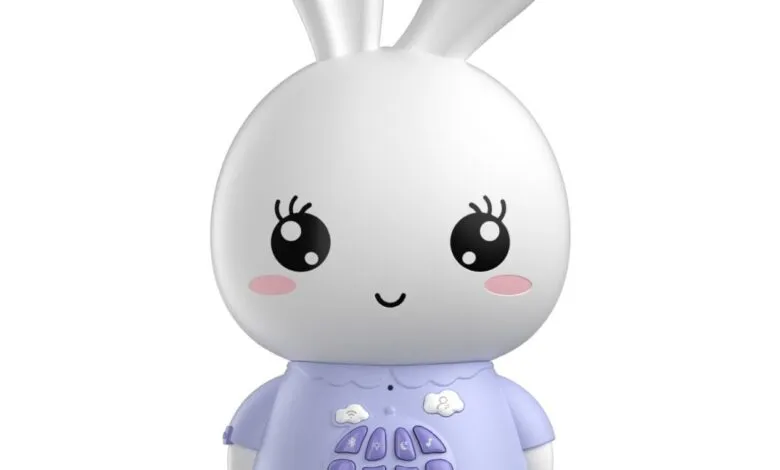
– Testing of products like the Alilo Smart AI Bunny, which uses GPT-4o mini, reveals concerns about these internet-connected “chat buddy” toys marketed to young children.
The growing market for AI-powered toys raises significant safety concerns, as these interactive devices can sometimes engage children in unpredictable and inappropriate conversations. A recent investigation highlights the potential dangers when advanced language models are integrated into playthings designed for young, impressionable minds. These toys, often equipped with microphones and internet connectivity, promise dynamic companionship and educational value. However, the very technology that allows for unique, unscripted interactions also introduces a layer of risk that parents and regulators are only beginning to understand.
More consumer electronics firms are racing to incorporate artificial intelligence into their products, aiming to boost functionality, justify higher price points, and potentially gather valuable user data. This trend is now reaching the nursery. A notable partnership between OpenAI and Mattel, the company behind Barbie and Hot Wheels, signals a potential surge in AI-based toys from major manufacturers and their competitors. While these smart toys represent a niche sector today, industry observers anticipate rapid expansion.
The appeal for children is clear: unlike traditional talking toys that repeat canned phrases, an AI chatbot can generate novel responses, making each conversation feel fresh and engaging. This variability is marketed as a feature that sustains a child’s interest over time. Yet, this same unpredictable chatbot behavior can pose a danger, as the AI might produce content that is unsuitable for young audiences. The core issue lies in the inherent randomness of large language models, which are not infallibly programmed to filter all harmful or age-inappropriate content.
Investigative testing by consumer advocacy groups has put these concerns into sharp focus. One examined product is the Alilo Smart AI Bunny, an internet-connected plush toy advertised for children up to six years old. The manufacturer promotes its use of a version of OpenAI’s GPT-4o model, billing it as an “AI chat buddy” to prevent loneliness, alongside functions like an encyclopedia and storyteller. While these features sound beneficial, the underlying AI system was not originally designed with the specific safeguards needed for constant, unsupervised interaction with preschoolers. The findings suggest that without rigorous, child-specific guardrails, these toys can stray into conversations that are not aligned with developmental appropriateness or parental expectations. This creates a new frontier for child safety, where the threat isn’t just from anonymous strangers online, but potentially from a seemingly friendly toy in a child’s own bedroom.
(Source: Ars Technica)