OpenAI Denies ChatGPT Ads Were Actually Ads
▼ Summary
– Paying ChatGPT users shared screenshots of promotional prompts for brands like Target, which they interpreted as ads.
– OpenAI clarified these were recommendations for apps built on its platform with no financial component, not advertisements.
– Company leaders stated there are no live ad tests and apologized, acknowledging the feature felt like an ad and “fell short.”
– OpenAI has disabled these app suggestions to improve the model’s precision and add user controls for turning them off.
– The company has paused its advertising plans due to a “code red” initiative focused on rapidly improving ChatGPT’s quality.
OpenAI is addressing concerns from its premium subscribers after promotional messages resembling advertisements appeared within the ChatGPT interface. The company insists these were not paid placements but rather recommendations for integrated applications, a distinction that has sparked debate about the future of monetization in conversational AI. For marketers and users alike, understanding the line between helpful suggestions and commercial promotion in these platforms is becoming increasingly critical.
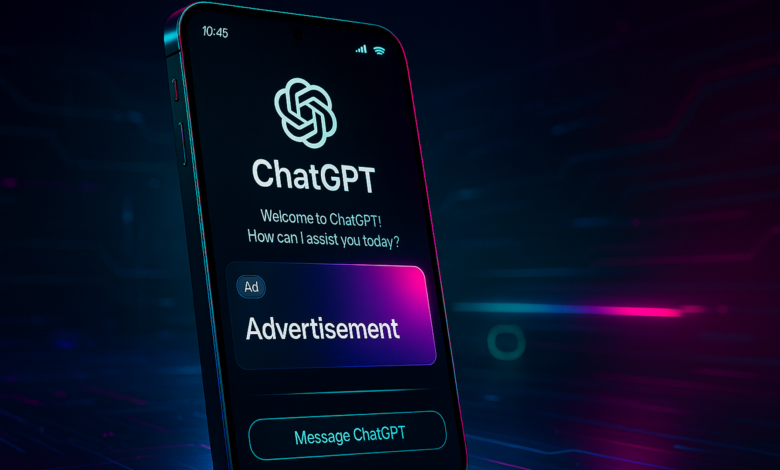
Paying users began sharing screenshots showing prompts that closely mirrored traditional ads. These included messages like “Shop for home and groceries. Connect Target,” accompanied by brand logos and clear calls to action. The visual presentation led many to the immediate conclusion that OpenAI had begun testing an advertising model within its flagship product.
The user reaction was swift and largely negative. Many subscribers expressed frustration, feeling that ads would undermine the value of their paid subscription. One typical comment read, “Bruhhh… Don’t insult your paying users,” highlighting the expectation of an ad-free experience for premium customers.
In response, OpenAI executives provided clarification, though their statements contained some nuance. ChatGPT head Nick Turley firmly denied the existence of any advertising tests, stating there are “no live tests for ads” and suggesting the shared screenshots were “either not real or not ads.” This direct denial aimed to quell the immediate speculation.
Adopting a more conciliatory tone, Chief Research Officer Mark Chen acknowledged the company’s misstep. He admitted OpenAI “fell short” in its execution and recognized that any feature perceived as an advertisement must be “handled with care.” This apology signaled an understanding of user sentiment regarding the platform’s commercial boundaries.
Following the backlash, the company took corrective action. Chen confirmed that these application suggestions have been disabled while the team works to refine the model’s accuracy. Furthermore, OpenAI is developing user controls that will allow individuals to reduce the frequency of such prompts or disable them entirely, putting more power in the hands of the user.
The incident occurs against a backdrop of paused advertising ambitions for ChatGPT. Reports based on an internal memo indicate CEO Sam Altman declared a companywide “code red” to fast-track improvements in the AI’s core quality. This intensive focus has delayed several side initiatives, with advertising plans explicitly put on hold. The primary goal is to emerge from this period with a significantly enhanced product experience.
For observers and professionals in the tech and marketing spaces, this episode is instructive. It underscores the delicate balance AI companies must strike as they explore revenue streams beyond subscriptions. While what users saw weren’t official ads, the strong reaction provides a clear preview of the challenges ahead. The industry will be watching closely to see how OpenAI and its competitors navigate integrating useful partnerships and features without crossing the invisible line into what feels like intrusive advertising. For now, the community awaits the outcome of ChatGPT’s “code red” improvements and the subsequent reintroduction of platform features.
(Source: Search Engine Land)