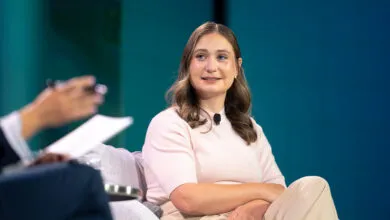
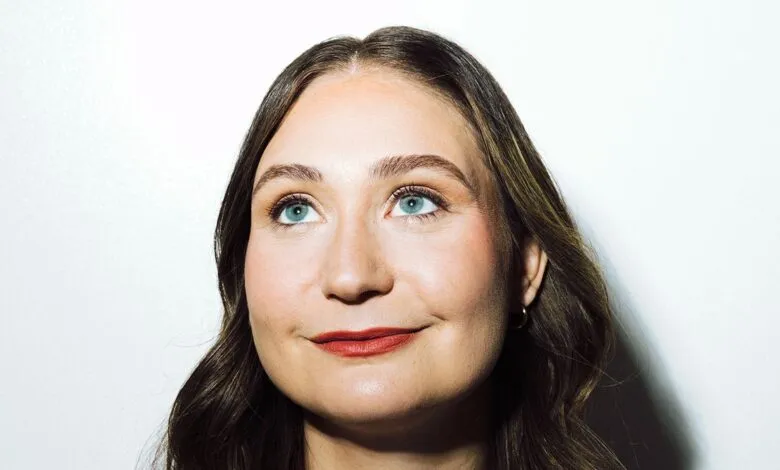
Daniela Amodei: Why Safe AI Will Win in the Market
▼ Summary
– Anthropic’s president, Daniela Amodei, disagrees with the Trump administration’s view that regulation cripples AI, arguing her company’s focus on AI dangers strengthens the industry.
– Amodei states Anthropic is vocal about AI’s potential benefits but emphasizes that managing risks is essential for the world to realize its positive upside.
– Through interactions with over 300,000 clients using Claude, Anthropic finds customers prioritize both capability and safety in AI products.
– Amodei compares Anthropic’s transparency about model limits to car companies publishing crash-test data, suggesting it builds trust and demonstrates safety improvements.
– She argues that by embedding high safety standards into its products, Anthropic helps create a self-regulating market where safer AI is competitively favored.
While some political figures argue that regulation stifles innovation, a leading voice in artificial intelligence presents a compelling counterpoint. Daniela Amodei, president and cofounder of Anthropic, believes that a steadfast commitment to AI safety is not a hindrance but a critical market advantage. This perspective challenges the notion that discussing risks is merely fear-mongering, positioning it instead as a foundational business strategy for building trust and long-term viability in a rapidly advancing field.
Amodei emphasizes that acknowledging potential dangers is essential for unlocking the technology’s full positive potential. The goal is for the entire world to benefit from AI’s upside, which requires proactively managing its risks. This philosophy of transparency, she argues, strengthens the entire industry by fostering responsible development. It’s a stance that resonates with a growing user base; over 300,000 entities currently utilize Anthropic’s Claude models, and their feedback consistently highlights a dual demand for both high capability and dependable safety.
Customers never ask for a less secure product, Amodei notes, drawing a parallel to automotive safety standards. Just as car manufacturers publicize crash-test results to demonstrate how they’ve improved vehicle integrity, Anthropic openly discusses its models’ limitations and potential vulnerabilities. This transparency, while sometimes startling, builds crucial confidence. It shows a commitment to addressing problems, which in turn influences purchasing decisions in the corporate world.
As businesses increasingly integrate AI into their core workflows and daily tools, reliability becomes a non-negotiable factor. They actively seek out systems known for lower rates of generating incorrect information or harmful content. By embedding robust safety protocols into its technology, Anthropic effectively establishes a de facto market standard. This creates a self-regulating dynamic where products failing to meet these baseline expectations struggle to compete. Companies are naturally drawn to solutions that minimize operational risk and ethical concerns, making safety a powerful differentiator.
Ultimately, the vision is that a focus on security and reliability will drive commercial success. In a landscape crowded with options, the products that earn user trust by demonstrably “getting the tough things right” are positioned to win. This approach suggests that the future market leaders in AI will be those who prioritize building a responsible and trustworthy foundation, proving that safety and innovation are not opposing forces but complementary pillars of sustainable growth.
(Source: Wired)