Mosquito Proboscis Inspires a New 3D Printing Nozzle
▼ Summary
– Necrobotics is an engineering field that creates robots using a combination of synthetic materials and repurposed animal body parts.
– Researchers at McGill University adapted a deceased female mosquito’s proboscis to function as a highly precise nozzle for a 3D printer.
– The team selected the mosquito proboscis after evaluating other natural structures like stingers and fangs, which were unsuitable due to curvature or their pulsed fluid delivery.
– The mosquito proboscis was ideal because it is straight, thin, robust, and optimized for a steady, continuous fluid flow, unlike venom-delivering structures.
– The resulting “3D necroprinter” uses the biological nozzle on a high-precision motion stage to extrude material in a direct ink writing system.
Finding inspiration in the natural world often leads to remarkable engineering breakthroughs. A team of researchers at McGill University in Montreal has developed a novel approach to high-precision 3D printing by repurposing a biological component: the proboscis of a female mosquito. This unusual adaptation, emerging from the field of necrobotics, demonstrates how nature’s designs can solve complex technological problems, such as creating nozzles for micro-scale additive manufacturing.
The quest began with a wide search for natural micro-dispensing structures. Scientists examined the stingers of bees, wasps, and scorpions, alongside the fangs of venomous snakes and the claws of centipedes. While all these structures evolved to deliver fluids, they proved unsuitable for printing. Many were too curved for the precise deposition required, and they were biologically optimized for delivering sudden pulses of venom rather than the steady, continuous flow essential for 3D printing.
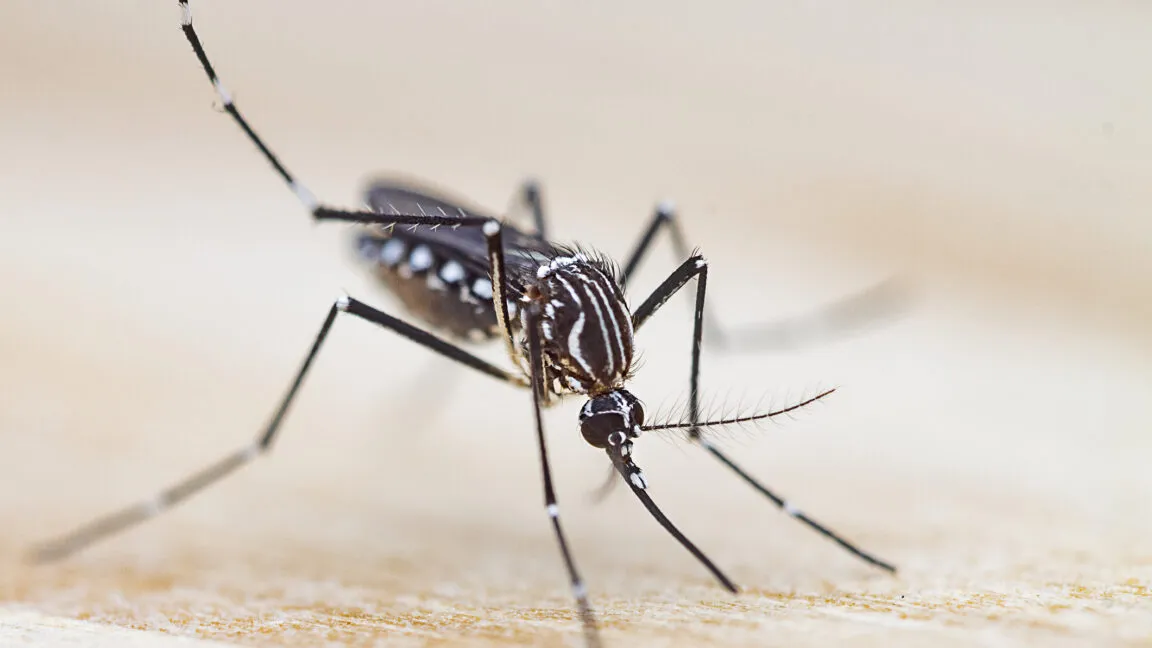
This need for a consistent flow led the team to investigate proboscises, the tube-like mouthparts certain insects use for feeding. These structures are typically thin, robust, and straight to facilitate piercing skin and drawing fluids. The final selection process narrowed the candidates to tsetse flies, sandflies, aphids, bed bugs, assassin bugs, and female mosquitoes. The female mosquito proboscis ultimately emerged as the superior choice.
Its advantages were clear upon examination. The inner diameter measures a mere 20 to 30 microns, which is significantly smaller than most natural stingers or fangs. This tiny scale is ideal for micro-scale printing. Furthermore, its long, straight geometry makes it easy to align accurately within a printer assembly. Perhaps most importantly, the structure is both stiff and strong, allowing it to withstand the pressures involved in the extrusion process without buckling or breaking.
With the ideal biological nozzle identified, the challenge shifted to integrating it into a functional printing system. The researchers dubbed their creation a “3D necroprinter.” They built it around a high-precision motion stage capable of moving the print head with ten-nanometer resolution on a stable, vibration-isolated platform. The extrusion mechanism itself was relatively straightforward, employing a syringe-based direct ink writing system. This setup pushed the printing material through a small plastic tip that was connected to the carefully prepared mosquito proboscis, enabling ultra-fine deposition. This innovative fusion of biology and machinery opens new possibilities for manufacturing at microscopic scales.
(Source: Ars Technica)