China’s First Reusable Rocket Nears Historic Launch
▼ Summary
– LandSpace is preparing to launch the first flight of its medium-lift Zhuque-3 rocket from China, potentially as soon as tonight.
– This launch will make the Zhuque-3 the largest commercial rocket ever flown in China and the first Chinese attempt to land a first-stage booster.
– The booster will attempt to land on a new pad in the Gobi Desert using a return method pioneered by companies like SpaceX.
– The success of the landing is uncertain, as even established companies like Blue Origin and SpaceX required multiple attempts to achieve their first landings.
– LandSpace was founded in 2015 following Chinese policy reforms and has raised over $400 million from venture capital and government-backed funds.
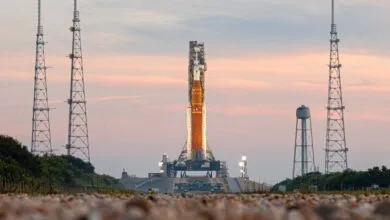
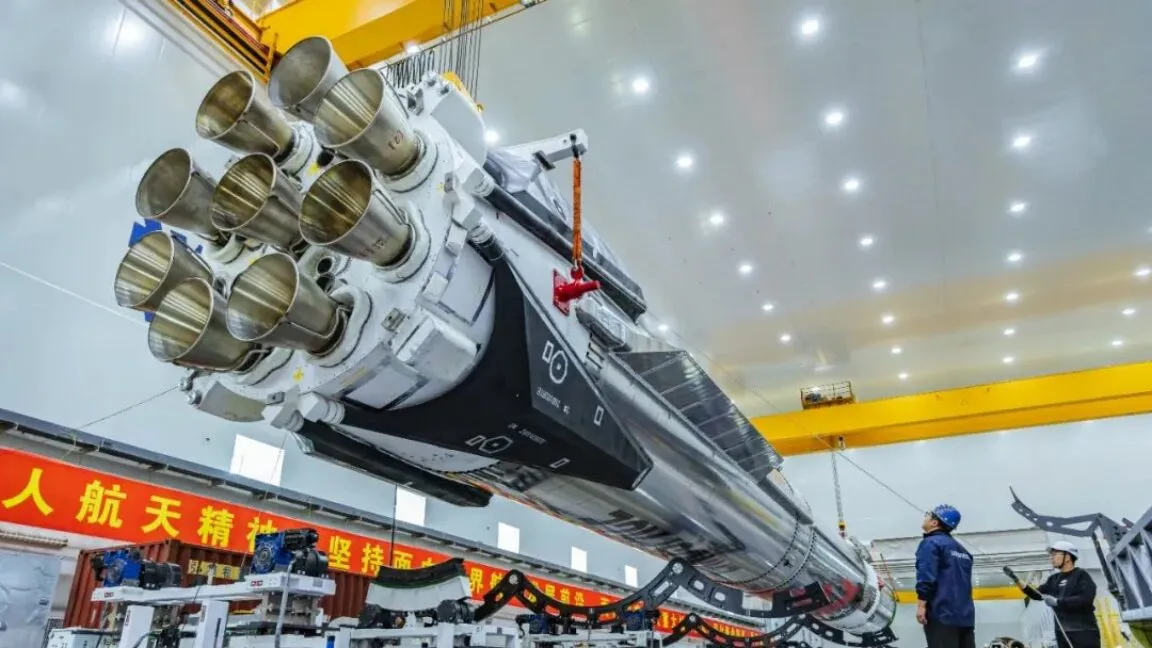
A significant milestone in China’s commercial space sector is imminent, with the potential launch of the country’s first reusable, orbital-class rocket. The event marks a pivotal moment in a competitive race among several private Chinese aerospace companies to achieve controlled booster recovery, a technology that promises to dramatically lower the cost of access to space. LandSpace, a leading startup, is preparing for the inaugural flight of its Zhuque-3 medium-lift rocket, with a launch window opening from the Jiuquan Satellite Launch Center.
The mission is poised to set multiple records. The Zhuque-3, named for the Vermillion Bird of Chinese mythology, will be the largest commercial launch vehicle ever flown from China. More critically, LandSpace aims to become the first Chinese entity to attempt a controlled landing of a first-stage booster. The company plans to use a vertical landing technique, a method famously perfected by SpaceX and later adopted by other firms like Blue Origin. A dedicated landing pad has been constructed in the remote Gobi Desert, approximately 240 miles southeast of the launch site, to receive the returning booster.
This ambitious endeavor represents a major technological leap. Following its ascent, the booster will follow a calculated arcing trajectory back toward the recovery zone. Roughly eight and a half minutes after liftoff, it is programmed to reignite its engines to slow its descent for a precise touchdown. The entire flight path occurs over land, as China’s interior launch sites differ from coastal spaceports like those in the United States.
Success, however, is not guaranteed. Landing a rocket is an exceptionally complex feat of engineering. Industry giants like SpaceX and Blue Origin required multiple attempts to achieve their first successful recoveries. LandSpace officials have been publicly quiet regarding the specific odds for either a successful launch or landing, underscoring the challenge ahead. The company itself was founded in 2015, benefiting from Chinese policy reforms that allowed private investment to flow into the space industry. To date, it has secured over $400 million in funding from venture capital and government-backed investment funds.
A successful mission would validate China’s growing private space capabilities and introduce a new, cost-competitive player into the global launch market. It signifies a strategic step toward reusable launch systems, a technology seen as essential for the future economics of space exploration and satellite deployment. The eyes of the global aerospace community are now on Jiuquan, awaiting a potential historic demonstration.
(Source: Ars Technica)