The Indie Web Is Making the Internet Weird Again
▼ Summary
– The indie web movement revives personal website creation through platforms like Neocities, launched in 2013 as a modern version of GeoCities.
– It promotes human-created, creative content and rejects algorithms, AI, and the optimized design of modern social media and websites.
– The community includes many young users, artists, and LGBTQ+ individuals seeking refuge from AI content and social media hostility.
– Websites feature nostalgic ’90s-inspired designs with webrings and intentional communities, emphasizing personal expression over perfection.
– The movement may grow as people seek decentralized, algorithm-free spaces, though it faces future moderation challenges like cyberbullying.
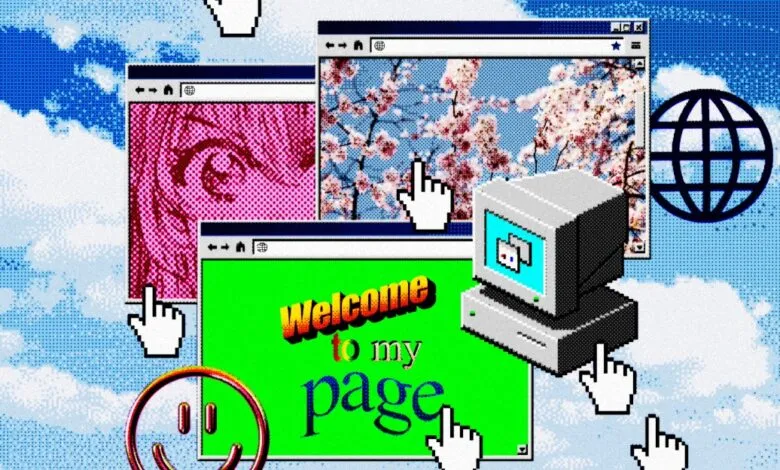
The indie web movement is actively pushing back against the homogenized, algorithm-driven internet, championing a return to creative, personal, and human-centric online spaces. This digital counter-culture finds its home on platforms like Neocities and the newer Nekoweb, where individuals build their own unique corners of the web using basic HTML and CSS. The aesthetic is often a deliberate and joyful embrace of the chaotic, experimental design of the 1990s, featuring animated GIFs, wild color schemes, and layouts that prioritize personality over polish.
The origins of this trend connect back to the spirit of GeoCities, a pioneering free web hosting service that Yahoo shut down in 2009. GeoCities allowed millions to create personal websites organized into themed “neighborhoods,” but when it vanished, most of those digital creations were lost forever. In 2013, developer Kyle Drake launched Neocities as a direct revival of that GeoCities ethos, providing a free platform for anyone to build an HTML website from scratch. Over a decade later, it has become the central hub for a community seeking an internet experience defined by people, not algorithms.
A fascinating aspect of the indie web is its demographic. The community appears to be predominantly composed of people under 30, many of whom were too young to experience the original GeoCities era. They are not simply nostalgic for a time they never knew; they are actively constructing it. The movement is driven by a powerful desire to escape the pervasive influence of AI, the endless scroll of social media feeds, and the feeling of being a product rather than a participant. This rejection is so strong that when a built-in AI assistant briefly appeared in Neocities’ code editor, users petitioned for its removal, with some migrating to Nekoweb precisely because it promises to block AI crawlers.
At its core, the indie web is about reclaiming digital territory for authentic, human-made content. The goal isn’t to achieve viral popularity or perfect search engine optimization. It’s about the freedom to create whatever you want, without worrying about an algorithm’s approval or an AI scraping your work. This philosophy results in a wonderfully diverse and often visually overwhelming landscape of websites. You’ll find anti-AI webrings, interactive recreations of old operating systems like Windows 98, and archives dedicated to specific design aesthetics like Frutiger Aero.
Community on the indie web is built intentionally, not by automated recommendations. The classic “webring” has made a major comeback, allowing sites with similar themes to link together. New concepts like “web gardens”, small, embeddable icons that act as a sample of a site, are also gaining traction. Many sites feature a “neighbors” section, a direct homage to the neighborhood structure of GeoCities. Certain groups, particularly artists and members of the LGBTQ+ community, have found a welcoming refuge on the indie web. For artists, the flood of AI-generated content on mainstream platforms makes it harder to be seen. For LGBTQ+ individuals, changes in moderation policies on sites like X/Twitter have created a more hostile environment. The indie web offers a space they can control.
Browsing these personal sites evokes a feeling that has largely disappeared from the modern internet: genuine curiosity. Instead of the passive consumption of a social media feed, you actively explore, never quite knowing if the next click will lead to a fascinating journal, a quirky animation, or a slightly unsettling, mysterious page. There are no infinite scrolls, no data-harvesting pop-ups, and many sites don’t even bother with mobile optimization. They simply exist, asking for nothing from their visitors, though you are often warmly invited to sign a guestbook.
Looking ahead, the indie web’s growth seems likely to continue as dissatisfaction with mainstream social media grows. Factors like increased age-gating, censorship, and the proliferation of AI-generated content could push more people toward this decentralized alternative. Furthermore, as AI tools potentially discourage people from learning to code, the indie web stands as a vibrant community keeping the foundational skills of web development alive. The ethos is clear: if you want a place on the indie web, you are encouraged to build it yourself, embracing the hands-on, imperfect creativity of a bygone digital era. While decentralization offers freedom, it also presents future challenges in content moderation, echoing issues the early web faced. For now, however, the indie web remains a wonderfully weird and human corner of the internet, proudly asking for nothing in return.
(Source: The Verge)
