DJI’s US Exit: Why the World’s Top Drone Maker Is Being Banned
▼ Summary
– DJI will be automatically banned from importing new products into the US starting December 23rd, 2025, unless President Trump intervenes.
– Existing DJI drones and cameras can still be used, but the FCC can retroactively ban imports of older products after a waiting period.
– The ban is driven by bipartisan concerns that DJI could spy for China, though no public evidence has been provided and DJI denies sharing data.
– Some lawmakers argue against the ban because DJI drones are vital for farmers, energy companies, and rescue workers with no viable alternatives available.
– DJI dominates the drone market due to its high-quality, low-cost products, while competitors have shifted focus to enterprise and military sectors.
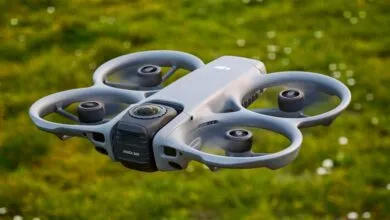
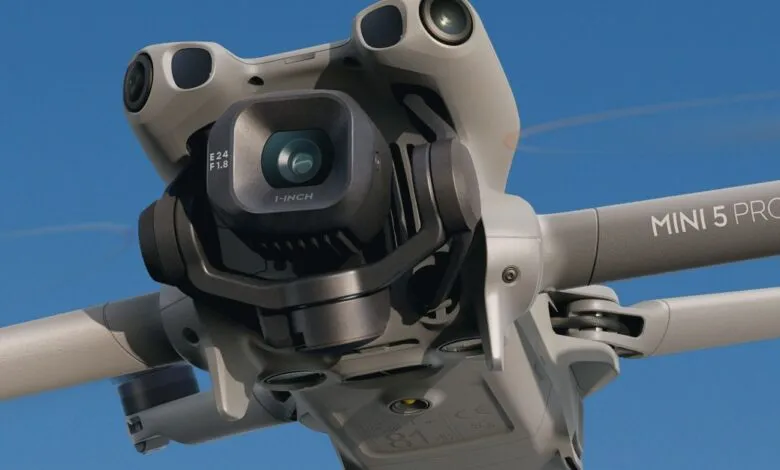
The potential ban on DJI products from the United States market represents a significant shift in the commercial drone industry, with December 23rd, 2025 marking the date when new imports could be halted unless presidential intervention occurs. While current owners can continue operating their existing DJI drones and Osmo cameras, the prohibition would prevent any new devices containing wireless radios from entering the country. The Federal Communications Commission maintains authority to extend this ban retroactively to previously imported products after a designated waiting period.
National security concerns form the primary justification for this legislative action, with bipartisan lawmakers expressing apprehension about potential data collection by the Chinese manufacturer. These concerns persist despite the absence of publicly disclosed evidence demonstrating actual espionage activities. Some officials speculate that Chinese authorities could potentially compel the company to surrender drone data, though DJI has consistently denied sharing information with China and maintains that all U.S. data remains stored domestically. The company further committed to deleting American flight logs in September 2024 as a transparency measure.
Additional allegations suggesting Communist Party ownership of DJI failed to gain legal traction when a U.S. judge determined insufficient evidence supported these claims in September 2025. Beyond security considerations, the legislative push reflects broader geopolitical tensions and a desire for American drone manufacturers to achieve market dominance. DJI currently maintains an unparalleled position in the industry, producing high-quality, low-cost drones at volumes no competitor has matched.
This dominance creates practical challenges for various American industries that have come to rely on DJI technology. Agricultural operations, energy infrastructure inspections, and emergency response teams all utilize these drones extensively, with few comparable alternatives available in the marketplace. The situation has prompted some Republican lawmakers to reconsider the ban as the deadline approaches, noting that most former competitors like Skydio have shifted focus toward military and enterprise clients. The Insta360/Antigravity A1 remains one of the rare consumer-focused exceptions attempting to fill this potential void.
(Source: The Verge)