Valve’s Steam Machine: The Console That Isn’t
▼ Summary
– Valve has announced new hardware products, with the most excitement focused on the next-generation Steam Machines rather than the updated Steam Controller or VR headset.
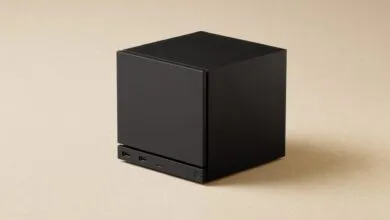
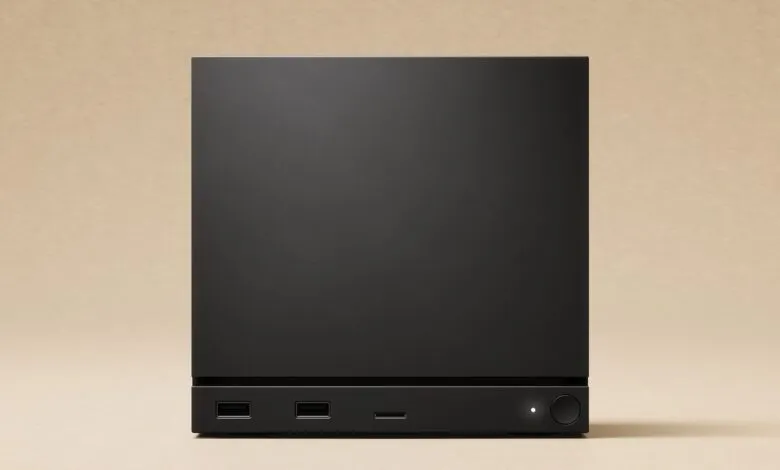
– The new Steam Machines are micro PCs designed for TV use, but Valve avoids calling them consoles despite their console-like appearance and purpose.
– This marks Valve’s second attempt at living room PC devices, following the unsuccessful first-generation Steam Machines launched in 2015.
– Valve emphasizes that the Steam Machine is a PC rather than a console, aligning with its PC game business, though the device functions similarly to a console.
– The article contrasts consoles (fixed hardware, TV-focused, predictable performance) with PCs (customizable, upgradeable, variable performance but higher costs and compatibility issues).
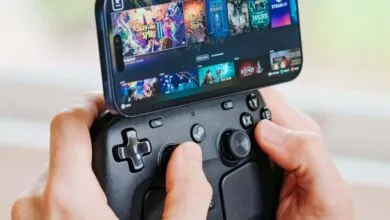
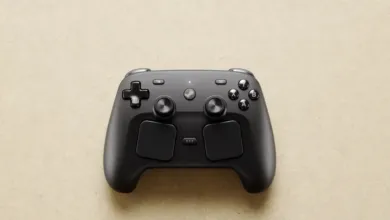
The recent unveiling of Valve’s new hardware lineup has generated significant excitement, particularly around the next-generation Steam Machines. While updated versions of the Steam Controller and the Steam Frame VR headset have captured interest, the refreshed Steam Machine concept stands out as Valve’s ambitious effort to bridge the gap between PC and console gaming. Designed to fit seamlessly into an entertainment center, these compact devices represent a strategic evolution from the company’s first attempt a decade ago.
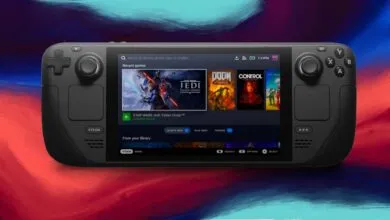
Valve appears hesitant to label these new machines as consoles, preferring to market them as micro PCs built for the living room. This distinction is crucial for the company, which primarily develops and distributes PC games. The original Steam Machines, launched in 2015, failed to gain significant traction, but the gaming landscape has transformed dramatically since then. The phenomenal success of the Steam Deck handheld has demonstrated a strong market for portable PC gaming, inspiring numerous competitors and shifting consumer expectations. With PC gaming now more popular than ever, Valve’s renewed living room initiative arrives under very different circumstances.
During the product announcement, Valve took great care to emphasize that the new Steam Machine remains a personal computer at its core. The company’s messaging deliberately avoids console terminology, framing the device as a specialized PC for television-based gaming. However, its form factor, intended use, and integrated design make it functionally equivalent to a console in nearly every practical sense, and this alignment with console conventions is potentially a strength rather than a weakness.
So what truly differentiates a games console from a PC? Traditional consoles are defined by several key characteristics. They are produced by a single manufacturer with uniform hardware specifications. Games are typically developed specifically for that platform, ensuring optimized performance. This standardization guarantees that developers know exactly what system capabilities they are working with, and consumers can purchase games with confidence that they will run correctly. Console generations usually refresh every five to six years, requiring a full system replacement for upgraded performance.
Personal computers represent the opposite approach. Gaming PCs are often stationary setups customized with user-selected components. When more power is needed, owners can upgrade individual parts like the graphics card, memory, or processor instead of buying an entirely new system. PC gamers enjoy the freedom to purchase software from multiple storefronts, allowing them to find the best deals across different platforms. The trade-off is that the lack of hardware standardization can lead to compatibility issues, unexpected bugs, or system instability. Additionally, high-end components can represent a substantial financial investment, sometimes costing thousands of dollars for a single part.
(Source: Wired)