Leica Q3 Monochrom: The $7,800 Black-and-White Camera
▼ Summary
– Leica has released the Q3 Monochrom, a black-and-white-only camera that costs $7,790 and features a modified 60-megapixel sensor without color recording.
– The camera shares the same weather-resistant compact design, full-frame sensor, fixed 28mm lens, and video capabilities as the standard Q3, including 4K/60p and 8K/30p recording.
– Key differences include the absence of a color filter array for sharper images and better low-light performance, along with a higher maximum ISO of 200,000 compared to the color Q3’s 100,000.
– It is the first Q camera to include Leica’s Content Credentials for file authenticity and has a stealthier, logo-less design with a matte black finish.
– While the author appreciates Monochrom cameras, their rising price makes them harder to justify, but competition may increase with Ricoh’s planned GR IV Monochrome release in 2026.
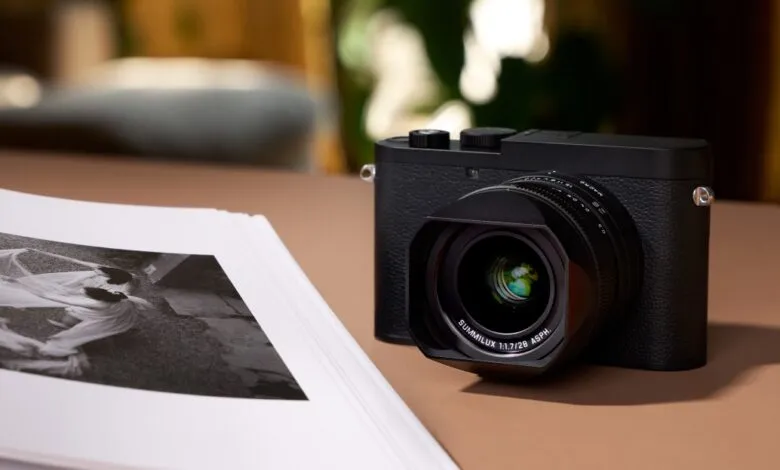
For photographers dedicated to the art of black-and-white imagery, the Leica Q3 Monochrom represents a pinnacle of specialized equipment. This camera, priced at $7,790, is a monochrome-only version of the standard Q3, featuring a modified 60-megapixel full-frame sensor that records exclusively in grayscale. While it shares the same core specifications as its color-capable sibling, including a weather-resistant body, a fixed 28mm f/1.7 Summilux lens with image stabilization, and the ability to shoot 4K/60p or 8K/30p video, the Monochrom model offers distinct advantages for purists.
One of the most significant upgrades is the enhanced maximum ISO of 200,000, doubling the sensitivity ceiling of the color Q3. This allows for exceptional performance in low-light conditions, capturing detail where other cameras might struggle. The design also sets it apart visually; the body sports a matte black finish, omits the iconic red Leica logo, and features subtle white or gray markings. A textured grip, reminiscent of Leica’s M-series rangefinders, improves handling and gives the camera a stealthier, more professional appearance.
Functionally, the Q3 Monochrom includes a digital zoom button that crops the lens to 35mm, 50mm, 75mm, and 90mm focal lengths, offering flexibility at the moment of capture. It records RAW photos in Adobe DNG format and introduces Leica’s Content Credentials system, embedding a digital signature into files to verify authenticity, a first for the Q series.
Why choose a camera that cannot shoot in color? By removing the color filter array from the sensor, Leica’s Monochrom cameras achieve slightly sharper resolution and superior light gathering compared to standard models. Shooting in black and white becomes not a limitation, but a creative constraint that many photographers find liberating and enjoyable.
However, the premium comes at a cost, literally. The Q3 Monochrom carries a $1,055 price increase over the standard Q3, continuing an upward trend that makes these specialized tools increasingly exclusive. The previous Q2 Monochrom launched at approximately $1,800 less, highlighting the growing investment required for this unique photographic experience.
Competition may soon emerge to challenge Leica’s dominance in this niche. Ricoh has announced plans to release a GR IV Monochrome model in 2026, which is expected to offer a similar dedicated black-and-white experience at a significantly lower price point. This could make monochrome digital photography accessible to a broader audience, though it remains to be seen if it can match the Q3 Monochrom’s build quality and optical performance.
For those who appreciate the discipline and aesthetic of black-and-white photography, the Leica Q3 Monochrom delivers an uncompromising tool. Its exceptional low-light capability, refined design, and pure imaging approach justify its place for serious enthusiasts and professionals, despite the steep price tag.
(Source: The Verge)