Lawmakers Behind TikTok Ban Admit They’re in the Dark
▼ Summary
– TikTok faced a potential US ban after lawmakers passed a bipartisan bill requiring ByteDance to sell it due to national security concerns.
– The Trump administration intervened, stalling the ban and delaying a promised acquisition deal by US investors for nearly a year.
– Congress has remained largely quiet, with few lawmakers commenting on the stalled enforcement and Trump’s defiance of their legislation.
– The proposed deal involves spinning TikTok’s US operations into a new entity with US majority ownership but licensing the algorithm from ByteDance.
– Concerns persist that the deal may not meet legal divestiture requirements and could maintain Chinese influence through the algorithm.
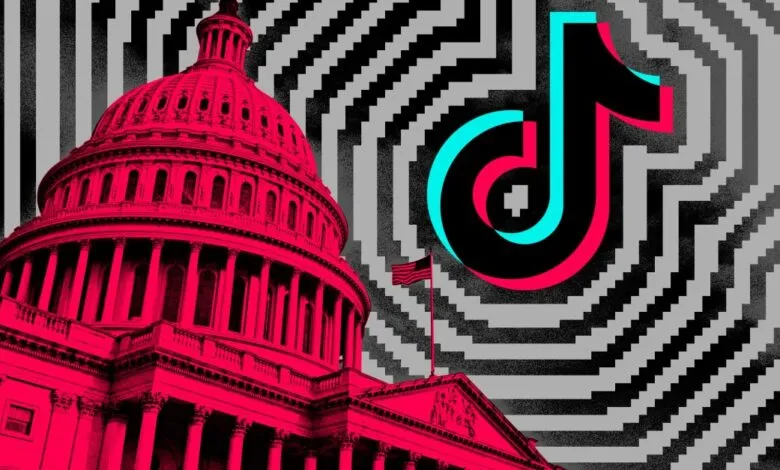
The ongoing saga surrounding TikTok’s potential ban in the United States reveals a complex political standoff, with lawmakers who initially championed the legislation now appearing disconnected from the process. Despite bipartisan support for forcing Chinese parent company ByteDance to divest the popular social media platform, the app continues operating as usual, thanks to intervention from the Trump administration. A proposed acquisition by U.S. investors, arranged through President Trump, has stalled for months, leaving the original architects of the ban largely silent on the matter.
Numerous current and former legislators who voted for the bill and held key committee positions were contacted for comment. Only one provided a statement, while several others ignored repeated inquiries. It remains unclear how most feel about the impact of their push to force a sale or ban, or what they think of the deal President Trump claims will bring TikTok and its American tech providers into legal compliance.
Extenuating circumstances, including a 43-day government shutdown that disrupted Congressional operations this fall, have contributed to the legislative silence. Senator Maria Cantwell (D-WA) noted in a statement that significant questions remain about Trump’s proposed arrangement. “Congress is still waiting to get briefed on how the TikTok sale would actually stop Chinese algorithms from causing harm to U.S. citizens, U.S. military, and U.S. interests,” she explained. “The lack of transparency has caused concerns for both Democrats and Republicans who are still waiting for secure briefings on how to stop malign actions.”
Throughout the year, Congress has raised relatively few objections as President Trump repeatedly extended TikTok’s sales deadline. During previous extensions, some lawmakers issued cautious statements emphasizing the importance of enforcement, but stopped short of criticizing the administration’s open defiance of their legislation. After the president’s second extra-legal extension in April, several Republicans emphasized the need for a lawful solution without directly challenging Trump’s actions.
Senator Josh Hawley (R-MO) told reporters he “would advise the President against” any arrangement failing to comply with the law, adding that if a sale proved impossible, Trump “ought to enforce the statute and ban TikTok. This middle way, I don’t think is viable.” Senator Mark Warner (D-VA) offered a more pointed assessment after the second extension, stating, “the whole thing is a sham if the algorithm doesn’t move from out of Beijing’s hands.”
Following President Trump’s September executive order outlining his plan to preserve TikTok, Representative John Moolenaar (R-MI), the current House Select Committee on China Chair, pledged “full oversight” of the Trump-brokered agreement. He indicated his committee would start with “an urgent briefing I have requested from the Administration” and intends to summon leaders of the new TikTok entity to testify next year.
Recent weeks have brought administration claims that TikTok stands on the verge of a sale. Available details from the executive order and various media reports outline a proposed structure where TikTok’s U.S. operations would become a separate entity valued at $14 billion, far below earlier analyst estimates of $50 billion. Oracle, Silver Lake, and Abu Dhabi’s MGX would control approximately 45 percent, with ByteDance retaining 19.9 percent and another 35 percent held by ByteDance investors and new stakeholders.
The new U.S.-based entity would be “majority-owned and controlled” by American companies, governed by a new board of directors. Users might need to download a new app controlled by U.S. interests. Crucially, the U.S. venture would operate TikTok’s recommendation algorithm, code, and content moderation systems, using an algorithm licensed from ByteDance.
Major uncertainties persist. It remains unclear whether China will permit ByteDance to sell TikTok. While President Trump claims President Xi Jinping has generally approved, their late October meeting yielded little visible progress. Even if China accepts the deal, licensing the algorithm may violate the legal requirement for complete divestiture by maintaining an operational relationship between the U.S. entity and ByteDance.
Representative Moolenaar expressed specific concerns about algorithm licensing, telling Reuters, “I think anytime you have (China) with leverage over the algorithm, I think that’s a problem. I just believe you have to have a new algorithm, and I don’t know that you can reprogram.” He added that he awaits further details from the White House.
Moolenaar and his Congressional colleagues moved with unusual speed to pass the TikTok bill last year, emphasizing the critical importance of severing the app’s Chinese ownership. The current outcome, however, resembles a sweetheart deal potentially selling TikTok to some of the president’s closest allies without fully cutting ties to China. Throughout this process, President Trump has shown a readiness to disregard Congressional intent, while Congress has demonstrated little willingness to challenge him.
(Source: The Verge)