A Heartwarming Film That Celebrates Human Creativity
▼ Summary
– Director Ira Sachs adapted Peter Hujar’s 1974 interview into the film “Peter Hujar’s Day” after discovering the published conversation and contacting writer Linda Rosenkrantz via Instagram.
– The film recreates the interview over one day in a single West Village apartment, starring Ben Whishaw and Rebecca Hall, focusing on the intimate dialogue between Hujar and Rosenkrantz.
– Sachs was inspired to make the film after being moved by Hujar’s vivid description of a late-night city scene, which he saw as a cinematic moment filled with loss and beauty.
– The director structured the movie into 23 scenes across 12 hours, using location photography to guide filming and maintain energy, rather than strictly following the conversation’s timeline.
– The film explores themes of artistic doubt and the challenges of creativity, reflecting Hujar’s own anxieties and the universal struggle between confidence and uncertainty in art-making.
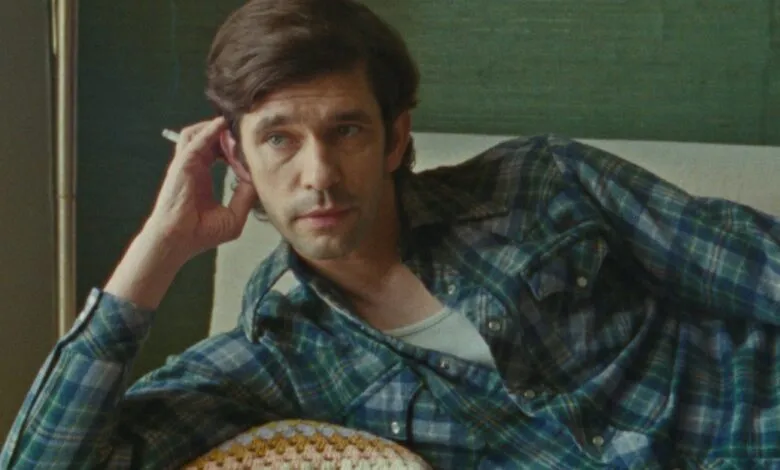
The genesis of the film “Peter Hujar’s Day” traces back to a direct Instagram message from director Ira Sachs to writer Linda Rosenkrantz, sparking a creative journey that would bring a long-forgotten 1974 conversation to the screen. This intimate project, starring Ben Whishaw and Rebecca Hall, unfolds over a single day within a West Village apartment, capturing the profound connection between photographer Peter Hujar and his friend Rosenkrantz. Sachs recently discussed the process of translating this compact, dialogue-rich interview into a cinematic experience that feels both expansive and deeply personal.
Sachs recalls the initial contact with Rosenkrantz as surprisingly casual. “I didn’t do any research beforehand, so it was a bit startling to realize a month later that she was 89,” he admits. Their digital exchange evolved into a meaningful bond, one that Sachs feels mirrors the special dynamic often found between heterosexual women and gay men. “We’ve become very close in a touching way, which reflects something about her relationship with Peter. It’s a particular type of friendship I know well and truly cherish.”
When asked if direct messaging strangers is his usual method for starting projects, Sachs explains, “I begin with an idea I feel confident to follow. So in a way, yes.” His confidence in adapting the interview solidified upon reading its final passage. He was deeply moved by Hujar’s description of being awake at 3 a.m. on the corner of Second Avenue and 12th Street, observing the city and listening to the sounds of sex workers below. “That felt like a cinematic image and a cinematic moment,” Sachs notes. “The challenge became making that last moment truly count. All movies are made in their final moments, and for me, that scene held the beauty, melancholy, and loss of 1974.”
The loss Sachs refers to is multifaceted. “Most simply, it’s the loss of that era,” he says. More specifically, he acknowledges the unspoken shadow of Hujar’s death from AIDS seventeen years later, “the candle was blown out.” Unlike many contemporary biopics, Sachs never intended to create a comprehensive life story. “I wasn’t interested in a biographical film of Peter Hujar. I wanted to make a film inspired by this specific conversation. The text offered all the intimacy and authenticity I constantly seek in my work. I hope to achieve even one moment as intimate as Linda and Peter’s dialogue.”
Because the script uses the original conversation verbatim, it authentically replicates the experience of a long afternoon with a close friend. Sachs emphasizes Hujar’s overlooked talent as a storyteller. “There’s something quite exceptional about his use of language and imagery that is truly unique. The detail of that time and his life comes across so viscerally, it’s like Proust in its dense authenticity.”
Confined to one apartment over a single day, the film avoids feeling claustrophobic or stage-bound. Sachs confesses he initially worried about the limitations. “About a month before shooting, the concept seemed insurmountable. I thought, ‘Uh oh, this was a mistake.'” Liberating himself from strict realism proved crucial. He abandoned the idea of two people talking at a table for ninety minutes, opting instead for 23 scenes spanning 12 hours to maintain narrative energy.
Constructing the film around existing dialogue required careful visual planning. Sachs spent weeks in a donated Westbeth apartment with stand-in actors and cinematographer Alex Ashe, photographing them at different times and locations. “A sequence of those photographs became our guide for shooting. The placement of conversations was somewhat random, it wasn’t about matching topics to settings, but about ensuring the film’s rhythm through strategic cuts.”
The film offers a poignant window into the struggles of artistic creation. Sachs finds unexpected resonance in how it portrays the difficulty of making art. “It’s an affirming conversation I have regularly as an artist, oscillating between confidence and doubt. I love that even Peter Hujar, now monumentalized as a great photographer, lived with steady doubt. That’s very comforting.” The film also touches on practical anxieties, like financial sustainability. “It’s a question each of us faces with terror and occasional hope,” Sachs reflects. Rather than indulging in nostalgia, “Peter Hujar’s Day” speaks directly to contemporary audiences about the enduring challenges and doubts inherent in creative work.
Peter Hujar’s Day arrives in theaters starting Friday, November 7th.
(Source: The Verge)