AI-Generated Images Fuel Fake Expense Report Fraud
▼ Summary
– Businesses are seeing increased use of AI-generated fake expense receipts by employees, representing an age-old scam with new technology.
– Fake AI receipts accounted for about 14% of fraudulent documents in September according to AppZen, up from none last year.
– Financial professionals reported a 30% rise in falsified receipts following OpenAI’s GPT-4o launch, with platforms noting a significant jump after March improvements.
– Expense platforms like SAP Concur process millions of compliance checks monthly and warn customers not to trust their eyes due to convincing AI-generated receipts.
– Free, accessible AI image generation has made falsifying receipts easy through simple text instructions, replacing previous requirements for photo editing skills.
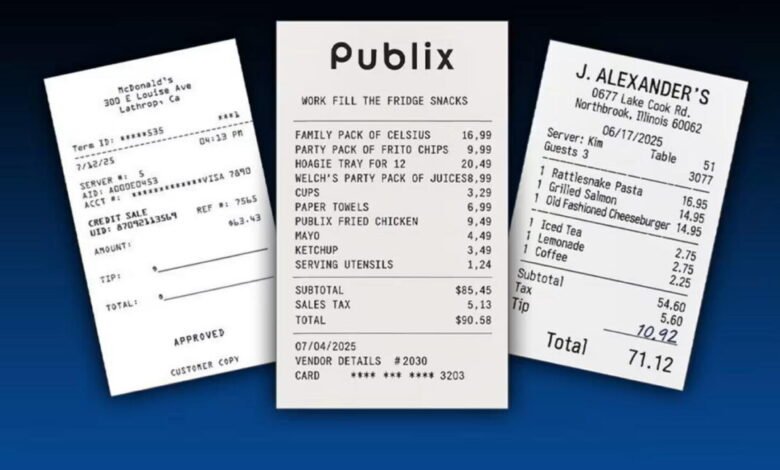
A troubling new wave of corporate fraud is emerging as employees turn to artificial intelligence to fabricate expense receipts. The accessibility of advanced image-generation tools has made it alarmingly simple for staff to produce convincing fake documents, presenting a serious challenge for finance departments and expense management platforms. Recent data from industry leaders highlights a sharp increase in AI-generated receipts submitted for reimbursement, signaling a shift in how workplace fraud is being committed.
Leading expense software providers report a noticeable surge in falsified receipts following the release of improved AI image models. AppZen, a prominent software provider, revealed that fake AI receipts constituted roughly 14 percent of all fraudulent documents submitted in September. This figure is particularly striking given that such submissions were virtually nonexistent just one year earlier. Similarly, the fintech company Ramp detected over one million dollars in fraudulent invoices through its monitoring systems within a mere 90-day period.
These findings are supported by a survey conducted by the expense management platform Medius, which found that approximately 30 percent of financial professionals in the United States and United Kingdom have observed an increase in falsified receipts. Many connect this rise directly to the public release of OpenAI’s GPT-4o model last year. According to Chris Juneau, senior vice-president and head of product marketing for SAP Concur, the quality of these fake receipts has reached a point where visual inspection is no longer reliable. His company, which performs more than 80 million AI-powered compliance checks every month, now advises clients not to trust their eyes when reviewing expense documentation.
The problem intensified significantly after March, when OpenAI launched GPT-4o’s enhanced image generation capabilities. Multiple expense platforms recorded a substantial jump in AI-generated receipt submissions around that time. OpenAI has stated that it enforces its usage policies when violations occur and noted that images created using ChatGPT contain metadata identifying their AI origin.
Before the widespread availability of AI image generators, producing fraudulent receipts required either advanced photo editing skills or payment to online services specializing in document falsification. Today, any employee can generate a fake receipt in seconds by typing a simple text prompt into a freely accessible chatbot. This democratization of forgery tools has removed previous barriers, making it easier than ever for individuals to attempt expense report fraud.
(Source: Ars Technica)