Meta’s VR Smart TV: The Future of Home Entertainment
▼ Summary
– Horizon TV is Meta’s new VR app designed to resemble a smart TV interface, aiming to attract older, non-gaming audiences to virtual reality.
– The app represents a monetization opportunity for Meta by adopting smart TV business models, including potential advertising and subscription revenue sharing.
– Horizon TV faces challenges similar to smart TV platforms, such as content licensing issues and missing major streaming services like Netflix and Hulu.
– Meta has removed user-generated content from the app to ensure quality for newcomers, focusing instead on curated immersive and professional content.
– The company is investing in exclusive content like sports and partnerships, including with James Cameron, to differentiate VR viewing from traditional TV experiences.
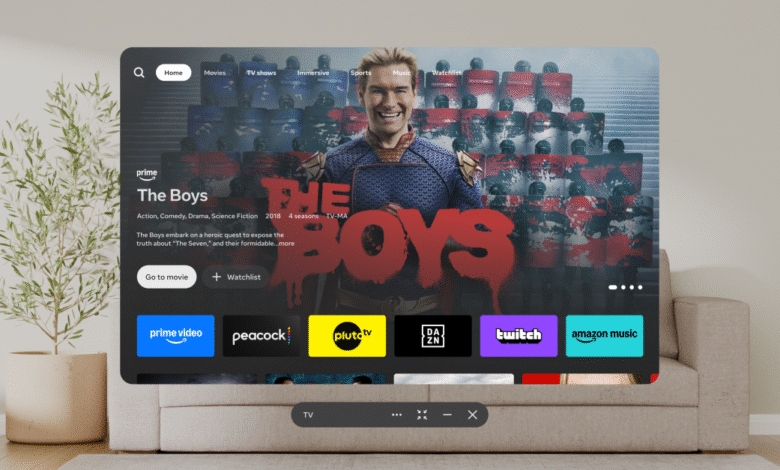
Meta’s Horizon TV app, now available on Meta Quest headsets, aims to transform how we experience home entertainment by bringing the familiar smart TV interface into a fully immersive virtual reality environment. This strategic move represents a significant push to attract audiences beyond traditional gamers, offering a new way to enjoy movies, shows, and live events. While the interface mirrors what you’d find on a Samsung or Google TV, the experience unfolds entirely within the VR headset, marking a bold step toward making virtual reality a mainstream entertainment platform.
At first glance, Horizon TV presents a layout that feels instantly recognizable. Large hero images showcase featured TV shows and films, accompanied by rows of app icons and personalized content suggestions. Meta’s design team intentionally borrowed from established smart TV navigation systems to help users feel at home. According to Sarah Malkin, Meta Reality Labs’ director of entertainment content, the goal was to create a sense of familiarity while introducing the unique possibilities of VR.
Content within Horizon TV is sourced from a select group of partners, including Amazon Prime Video, Pluto TV, and Peacock. Apps like YouTube, Spotify, and DAZN are also integrated, with Disney Plus and ESPN expected to join soon. However, several major services are currently absent, Netflix, Hulu, and HBO, for example, along with free platforms like Tubi and The Roku Channel. The app also lacks ad-supported linear channels and does not yet support movie rentals, purchases, or direct subscriptions to streaming services.
Monetization remains a key focus for Meta. By adopting the business models common among smart TV platforms, which often take a share of ad and subscription revenue, Horizon TV could become a substantial revenue stream. Roku, for instance, earns nearly a billion dollars each quarter through similar arrangements. Still, this approach comes with challenges. Content partnerships can be difficult to negotiate, as seen with Google TV’s ongoing struggle to fully integrate Netflix into its interface. Meta will likely face comparable hurdles as it expands its content library.
Earlier versions of Meta’s video app highlighted user-generated content, including 180-degree and 360-degree videos. That changed last month when the company removed all UGC, directing creators to upload to YouTube instead. Malkin explained that the shift was partly to ensure new VR users aren’t put off by low-quality or disorienting amateur footage. A negative first impression in immersive tech, she noted, can be hard to overcome.
That said, Horizon TV hasn’t abandoned immersive media entirely. Through a partnership with Theater Elsewhere, the app still includes animated UGC made with tools like Quill. These appear in a dedicated “immersive” section alongside 180-degree documentaries and Meta-produced VR series such as The Faceless Lady. One standout is Blumhouse Enhanced Cinema, which re-releases films like M3GAN and The Black Phone in mixed reality. These experiences extend the on-screen action into your physical space, with eerie forests materializing on your walls or phantom objects appearing in your room.
Looking ahead, Meta plans to differentiate Horizon TV by offering content that flat screens can’t match. The company is investing in more 3D programming, including projects from James Cameron’s Lightstorm Entertainment. Live sports represent another major area of focus. Meta’s existing partnership with the NBA delivers games from a courtside VR perspective, while DAZN offers soccer matches with a unique tabletop view. Malkin confirmed that new sports partnerships and viewing formats are in development, acknowledging the complexity of streaming rights but expressing confidence in Meta’s industry relationships.
Even as Horizon TV evolves, it inherits many of the challenges familiar to smart TV platforms, content fragmentation, licensing negotiations, and user expectations around availability and convenience. Still, Meta is betting that the unique appeal of immersive, high-quality VR entertainment will win over viewers. As Malkin put it, “If it weren’t hard, it wouldn’t be worth doing.”
(Source: The Verge)