Spotify Boycott Continues Despite Daniel Ek’s Exit
▼ Summary
– Daniel Ek is stepping down as Spotify CEO but will remain executive chairman and maintain significant control over company decisions.
– Artists and labels who removed their music from Spotify indicate Ek’s title change won’t bring them back, calling it an “optics-driven management stunt.”
– Artists’ grievances extend beyond Ek to fundamental issues including unfair royalty payments and Spotify’s bundling tactics that suppress artist earnings.
– Spotify faces criticism for prioritizing profit over art, with artists citing unsustainable payouts and the platform’s damaging choices for creators.
– Some artists demonstrate success without Spotify, viewing their departure as a moral stance rather than expecting significant financial impact on the company.
The ongoing Spotify boycott shows no signs of slowing, even after Daniel Ek’s departure as CEO. Artists and labels continue pulling their music, citing long-standing grievances over royalty payments, platform policies, and corporate direction. Ek’s transition to executive chairman does little to address their core concerns, as he maintains significant influence over company strategy and daily operations.
Will Anderson of Hotline TNT captured the sentiment of many when he stated, “Our issues with this particular streaming platform go far beyond one reptile.” He and others view the leadership change as a superficial adjustment meant to improve public perception without enacting real reform. Anderson added, “By the company’s own admission, nothing will be changing. Their statement says the move ‘formalizes how Spotify has successfully operated since 2023’. To me this sounds like the company is aware of shifting public sentiment and is trying to publicize a little title adjustment for their CEO to claw back some good will before things snowball out of control.”
Jeremy Leaird-Koch, known professionally as Jeremy Blake, removed his music from Spotify in July and remains unimpressed. He emphasized that an executive chairman still plays a hands-on role in management, calling the reshuffle a move that “changes nothing.” Colin Volvert of Kalahari Oyster Cult echoed this, describing the shift as “an optics-driven management stunt” rather than the “clean slate” artists had hoped for.
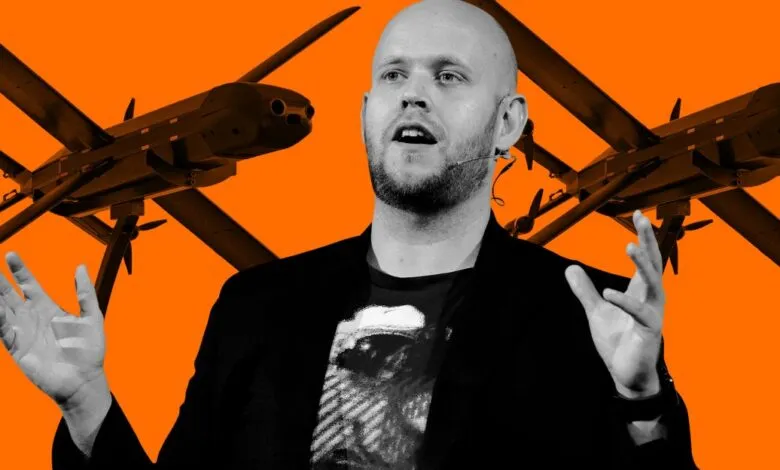
For many creators, Ek’s personal investments in defense technology were just the final straw in a series of disputes. Deerhoof’s vocalist Satomi Matsuzaki explained, “We won’t return to Spotify unless they start to treat every artist respectfully and pay them a fair amount. They must stop making money by using AI scams. Artists are struggling to survive. Spotify’s payment of $0.003 per stream won’t even get us a can of soda.”
Compounding these frustrations, Spotify altered its Premium plan in 2024 to include audiobooks, a change that diluted the royalty pool. This bundling strategy reduced payouts to musicians by an estimated $150 million, even as the company’s revenue continued growing. The tactic drew rare bipartisan criticism in the U.S. Senate, with lawmakers from both parties calling for an investigation.
Jeremy Leaird-Koch pointed to Spotify’s profit-driven model as a fundamental obstacle to reform. “Spotify is going to have to make Herculean efforts to roll back tons of damaging choices they’ve introduced to their platform over the years. I don’t see that happening with a publicly traded company that’s beholden to generate profit for shareholders,” he noted.
Some musicians have built successful careers entirely outside of Spotify’s ecosystem. Joanna Newsom has never allowed her music on the service, referring to it as a “villainous cabal,” while Cindy Lee earned critical acclaim and Pitchfork’s top album of 2024 without streaming availability.
Between controversial AI initiatives, low payments, and associations with contentious figures, Spotify faces a multifaceted rebellion. As Xiu Xiu’s Jamie Stewart noted, leaving the platform is more about conscience than financial impact. Still, Anderson holds out hope for collective action: “It seems like Spotify is rattled, and they should be.” For now, the exodus continues, with artists standing firm in their demand for meaningful change.
(Source: The Verge)