FTC: Sendit app tricked kids and illegally harvested their data
▼ Summary
– The FTC filed a complaint against Sendit for unlawfully collecting children’s data, deceiving users about message senders, and tricking them into buying memberships.
– Sendit gained 3.5 million downloads after similar anonymous question apps like YOLO and LMK were suspended on Snapchat in 2021.
– The FTC alleged Sendit sent users fake, provocative messages and offered paid memberships to reveal sender identities, which often provided false information.
– Sendit knowingly collected data from over 116,000 users under age 13 without parental consent, violating COPPA regulations.
– In 2022, Sendit sued competitor NGL for stealing its idea of fake anonymous questions, and NGL later ended the practice to remain in the App Store.
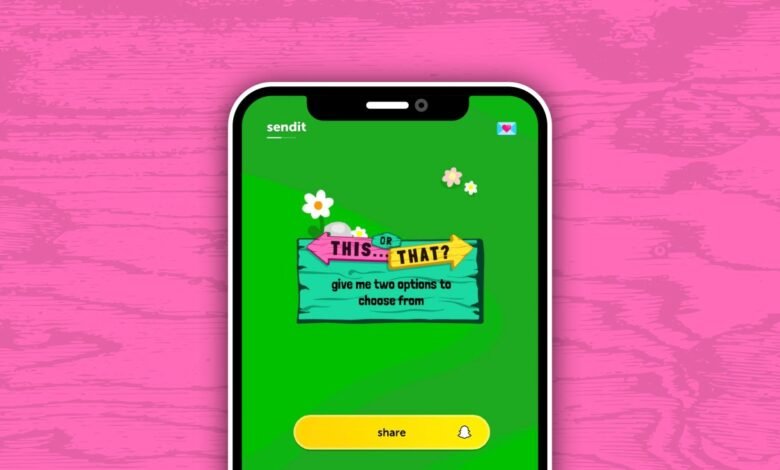
The Federal Trade Commission has taken legal action against the Sendit app, alleging the platform engaged in deceptive practices targeting young users and illegally harvested their personal information. This popular anonymous messaging application, widely used by teenagers, faces accusations of creating fake messages to trick children into purchasing subscriptions and violating child privacy laws.
Operating through integrations with major social platforms like Instagram, TikTok, and Snapchat, Sendit allowed users to send anonymous questions to one another. The app saw explosive growth, reaching 3.5 million downloads, following the removal of similar anonymous question apps like YOLO and LMK from Snapchat in 2021. Those previous apps had been suspended after facing litigation connected to a minor’s suicide.
Investigative reporting revealed that Sendit and similar newer anonymous question apps were misleading users with fabricated messages, then offering premium features to uncover the supposed senders. The FTC’s formal complaint confirms these findings, detailing how Sendit generated provocative fake questions such as “would you ever get with me?” and “have you done drugs?” to manipulate user behavior.
When recipients attempted to discover who sent these messages, they were directed toward a $9.99 “Diamond Membership” that the FTC claims was misleadingly presented as a one-time purchase rather than a recurring weekly charge. Even when users paid to reveal the identity behind Sendit’s fabricated messages, they received completely false information about who had supposedly sent them.
Beyond the deceptive messaging scheme, the FTC alleges Sendit knowingly violated the Children’s Online Privacy Protection Act (COPPA) by collecting personal data from users under age 13 without obtaining parental consent. Despite more than 116,000 users self-reporting they were under 13, Sendit’s parent company Iconic Hearts failed to notify parents or seek permission for data collection as legally required.
Additional consumer complaints emerged in 2022 App Store reviews, where users reported the Sendit for Instagram app marketed itself as “Sendit Reveal,” suggesting it could uncover anonymous message senders. When confronted about these questionable practices, Sendit founder Hunter Rice dismissed the concerns as seeking “clickbait” rather than addressing substantive issues.
In a notable twist, Sendit itself filed a 2022 lawsuit against competitor NGL, accusing the rival app of stealing its concept of using fake anonymous questions. Following TechCrunch’s reporting on the matter, NGL was compelled to discontinue this practice to maintain its presence in the App Store, highlighting the widespread nature of these problematic tactics within the anonymous messaging app ecosystem.
(Source: TechCrunch)