OpenAI Launches Sora: A TikTok Rival with New AI Model
▼ Summary
– OpenAI released Sora 2, an upgraded audio and video generator, and launched a linked social app called Sora with a TikTok-style feed.
– Sora 2 improves realism by better following the laws of physics, such as accurately depicting object interactions like a basketball rebounding off a backboard.
– The Sora app features “cameos,” allowing users to insert their likeness into generated scenes after a one-time identity verification video.
– The app is currently invite-only and available in the U.S. and Canada, with free access at launch and plans to charge for extra videos during high demand.
– OpenAI will use algorithmic recommendations based on user activity and location, and includes parental controls, but faces user safety challenges like potential misuse of AI-generated likenesses.
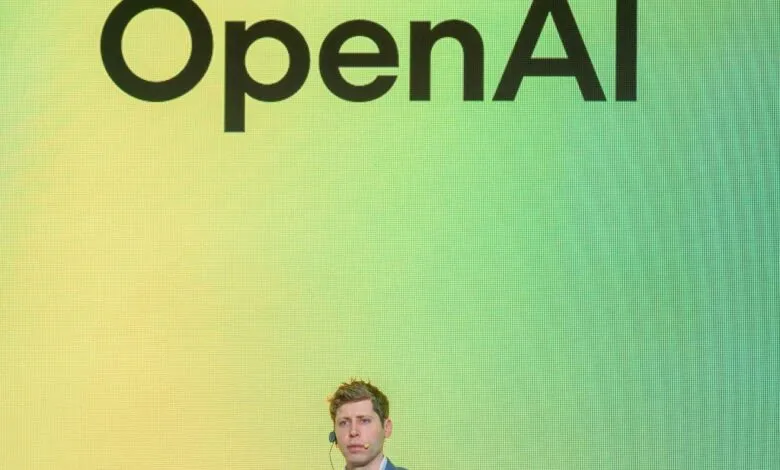
OpenAI has unveiled Sora 2, its next-generation AI model for generating audio and video, alongside a new social media application named Sora. This platform enables users to create and share personalized videos within a feed that operates similarly to popular short-form video services. The company’s move into the social media space, previously covered by tech publications, represents a significant expansion of its AI offerings.
Although the Sora application and its underlying Sora 2 model are currently available on an invitation-only basis, OpenAI has released compelling sample videos. These demonstrations highlight the model’s improved ability to adhere to physical laws, resulting in more believable content. Showcased examples include dynamic scenes like a beach volleyball match, skateboarding stunts, and gymnastic performances.
According to a company blog post, earlier video generation systems often produced unrealistic outcomes by distorting objects to fulfill text prompts. For instance, a basketball might unnaturally teleport into the hoop after a missed shot. Sora 2 addresses this by simulating more accurate physics, so a missed basketball shot would realistically bounce off the backboard.
A central feature of the Sora app is “cameos,” which lets users insert their own likeness into any AI-generated scenario. To utilize this, individuals must submit a single video and audio recording. This step verifies their identity and captures their appearance for use in personalized video creations.
The cameo functionality also supports sharing, allowing users to grant friends permission to include their digital likeness in collaboratively produced videos, even those featuring multiple people. OpenAI believes that a social application centered on this innovative feature offers the ideal way for people to experience the capabilities of Sora 2.
The Sora app is now available for download on iOS, with its initial release focused on the United States and Canada. The company has expressed intentions to rapidly broaden its availability to other nations. While the social platform itself requires an invitation, subscribers to ChatGPT Pro will have immediate access to the Sora 2 Pro model without needing an invite.
Once videos are created, users can publish them to a feed inside the Sora app, creating an experience reminiscent of other short-form video platforms. This launch follows closely on the heels of Meta’s recent introduction of a video feed called “Vibes” within its own AI application.
To power its algorithmic feed, OpenAI will analyze a user’s activity within Sora, their general location derived from IP address data, and their engagement history with posts. The company also notes that integration with a user’s ChatGPT conversation history can be used to inform recommendations, though this setting can be disabled. The app includes parental controls managed through ChatGPT, giving guardians the ability to disable infinite scrolling, turn off personalized algorithms, and control who can send direct messages to their children. The effectiveness of these controls, however, depends on the parent’s familiarity with the technology.
OpenAI has stated that the Sora app will be free at launch to encourage widespread exploration of its features. The initial strategy for generating revenue involves charging users for additional video generations during periods of exceptionally high demand.
Venturing into the social platform arena demands robust user safety protocols from OpenAI, an area where the company has faced challenges with its ChatGPT service. Although users can retract access to their digital likeness at any moment, the potential for misuse remains high. Even when trusting a known contact with their AI replica, that individual could still produce misleading content intended to cause harm. The creation of non-consensual videos is a widespread issue with AI-generated media, leading to significant personal damage in a legal environment where platform accountability is often unclear.
(Source: TechCrunch)