The Right Way to Play Video Games: Myth or Method?
▼ Summary
– The 2010 Nier game had two versions with different protagonists (father vs. boy) due to regional marketing decisions, but the 2021 re-release standardized the boy protagonist for English audiences.
– Video game remakes and remasters, such as Final Fantasy VII and Silent Hill 2, often introduce significant changes in story, visuals, and gameplay that alter the player’s experience compared to the original.
– Differences in translations and localization, like in Final Fantasy VI, can change the emotional tone and interpretation of key scenes in games.
– Mods and platform variations further complicate the gaming experience by allowing players to customize visuals, audio, and content, raising questions about what constitutes the “true” version of a game.
– Players should approach different versions of games thoughtfully, recognizing each as a distinct work and choosing based on personal preference rather than assuming one definitive experience.
Exploring the nuanced differences between various versions of a video game reveals how profoundly alterations in narrative, translation, and presentation can reshape the player’s emotional journey. The choice of protagonist in Nier, for instance, transforms the entire emotional landscape of the story, moving from a father’s desperate love to a brother’s vulnerable plea. These aren’t minor tweaks; they are fundamental shifts that redefine the experience.
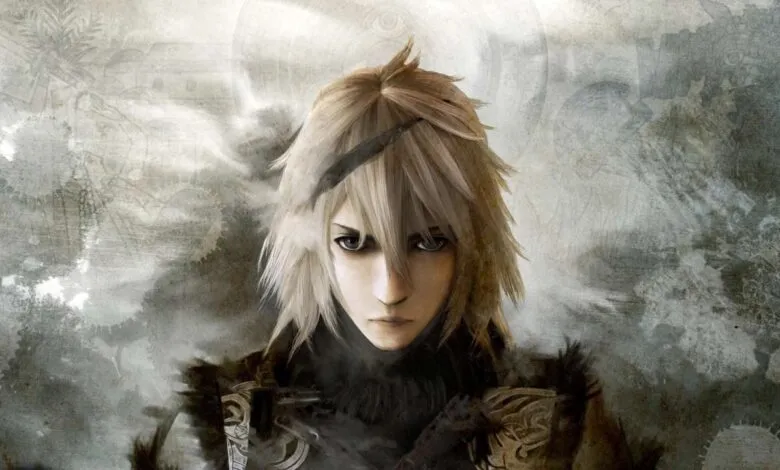
In 2010, the Western release of Nier featured a grizzled father protecting his daughter, a character crafted to resonate with audiences in that region. A ghastly voice offers him a terrible bargain: power for his soul, a price he seems willing to pay to save his coughing child. His dialogue carries the weight of a parent’s terror, his growls at monsters laced with a dangerous, protective fury. The heartbreak feels specific and mature.
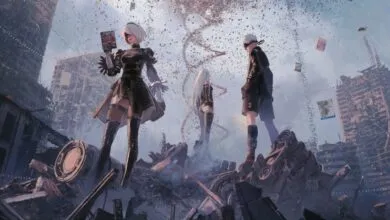
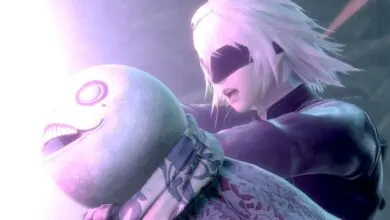
Contrast this with the 2021 release, Nier Replicant, which restored the original Japanese vision of a young boy safeguarding his sister. The same derelict building, the same rusted pipe, the same eerie proposition, but the emotional tone is entirely new. The boy’s voice holds a pleading vulnerability, his screams filled with the desperation of someone too young for such horrors. The shift from paternal intensity to youthful fragility is not a simple swap; it’s a recalibration of the story’s entire emotional core.
This phenomenon extends far beyond a single game. Consider the multitude of versions for a landmark title like Final Fantasy VII. A player in 1997 on the original Japanese PlayStation encountered a different game than someone who played the Western localization, which added gameplay features. The Eidos PC version introduced visible mouths on character models, a small change that could unintentionally undermine dramatic moments. Modern re-releases include boosters and mods, while the mobile game Ever Crisis offers an abridged narrative. Even a critical flashback scene involving Zack Fair was absent from the initial Japanese release, fundamentally altering the narrative’s emotional payoff for early players.
The recent Final Fantasy VII Remake project further complicates the idea of a singular experience. It is, in many ways, a different story. The mysterious antagonist Sephiroth appears far earlier, losing some of his original enigmatic presence. Players can briefly control him in Rebirth, shattering the untouchable aura he possessed in the 1997 game. Zack’s role is dramatically expanded. These are not just graphical upgrades; they are narrative and tonal reinventions.
Differing translations also significantly alter a game’s feel, a point often debated in literature and film but sometimes overlooked in gaming. In Final Fantasy VI, the pivotal scene where Celes contemplates suicide carries a different weight between the original Western release and newer, more literal translations. One frames it with a glimmer of hope, the other with stark despair. The emotional impact on the player shifts accordingly.
Visual and atmospheric direction plays an equally crucial role. The oppressive, identity-concealing fog in the original Silent Hill 2 creates a unique sense of dread that a clearer, high-definition remake might not replicate. The mansion in the original Resident Evil feels like a sparsely decorated, eerie hotel, while its GameCube remake adopts a more overtly Gothic and theatrical style. These environmental choices directly influence the kind of fear the player experiences.
The personalization of games through mods adds another layer of complexity. Players frequently use mods to “fix” translations, “sharpen” graphics, or restore cut content, often without considering how these changes deviate from the developers’ original vision. The game you play with a comprehensive mod pack is not the same game that was originally released.
Perhaps there is no single definitive way to experience a video game. The medium’s inherent fluidity, shaped by hardware, localization, director’s intent, and player modification, means that every version offers a distinct journey. Embracing this diversity is more rewarding than seeking a “correct” path. It’s not about declaring one version superior, but about appreciating the fascinating variations that exist within a single classic work. Your personal favorite will be the version that resonates most deeply with you, for reasons that might be entirely your own. Celebrating the multitude of ways to experience these stories enriches our understanding of video games as a dynamic and deeply personal art form.
(Source: Gamespot)