Bose QuietComfort Ultra Earbuds: Why I Can’t Go Back to Regular ANC
▼ Summary
– Bose’s second-generation QuietComfort Ultra Earbuds 2 feature an AI-powered upgrade focused on adaptive noise cancellation rather than flashy AI features like translation or chatbots.
– Adaptive ANC uses trained algorithms to classify, predict, and cancel external noises by adapting to changing environmental sound levels in real-time.
– Bose invested heavily in improving its noise-canceling algorithm, making its ActiveSense mode smoother and more responsive than competitors like Apple’s AirPods Pro 2.
– The earbuds’ noise cancellation operates imperceptibly in the background without pressure buildup, allowing natural awareness of surroundings and seamless transitions during conversations.
– Bose prioritizes practical, everyday AI functionality over rarely-used conversational features, resulting in superior noise-canceling performance that integrates effortlessly into daily use.
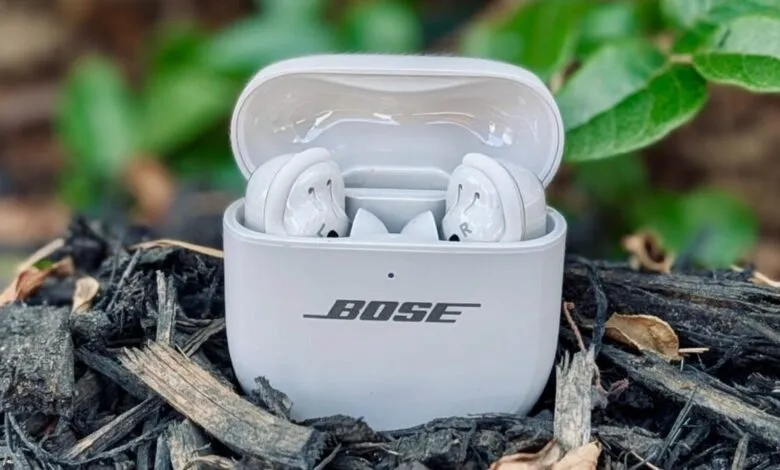
For anyone seeking truly seamless noise cancellation in their daily life, the latest generation of Bose QuietComfort Ultra Earbuds delivers an experience that feels almost magical. While many brands chase flashy AI gimmicks like real-time translation or voice assistants, Bose has focused its resources on perfecting what truly matters: adaptive noise cancellation that works so well you barely notice it’s there.
Adaptive active noise cancellation isn’t a new idea, most premium earbuds from Apple, Samsung, Google, and Sony offer some version of it. The technology relies on AI-trained algorithms to identify and counteract ambient sounds dynamically. But where Bose stands apart is in the execution. The company has poured its AI development budget almost entirely into refining this one feature, and the result is a level of responsiveness and subtlety that others simply haven’t matched.
What makes adaptive ANC so effective is its ability to learn from real-world environments. Unlike standard ANC, which applies a fixed level of noise blocking, adaptive systems analyze millions of sound samples to predict and neutralize disruptions before they reach your ears. You might be sitting in a quiet café one moment, and the next, a blender kicks into high gear, Bose’s ActiveSense technology adjusts instantaneously, without any jarring shifts in pressure or sound quality.
This isn’t a feature you activate or think about; it simply works in the background, integrating so smoothly into your routine that you soon take it for granted. I use adaptive noise cancellation daily, far more often than niche tools like translation or chatbot access. It requires no special apps, no specific phone brand, and no manual tweaking. You just put the earbuds in, and they handle the rest.
In direct comparison with other leading models like the AirPods Pro 2, the difference is striking. With Apple’s earbuds, the transition between transparency and noise cancellation can feel abrupt. There’s often a slight lag when someone starts speaking, and I’ve missed the first few words of a conversation more than once. With the QuietComfort Ultra Earbuds 2, the shift is imperceptible. Background noise simply fades away, while voices remain clear and natural, no pressure buildup, no artificial tone, just pure, uninterrupted audio.
Bose’s decision to avoid gimmicky AI features in favor of perfecting core functionality is a smart one. While other companies promote rarely-used conversational tools, Bose has honed a feature that people actually use every day. The result is a pair of earbuds that don’t just cancel noise, they disappear into your life, making everything from commutes to crowded stores noticeably more peaceful. Once you experience this level of refinement, it’s hard to go back to anything less.
(Source: ZDNET)