Switching to an LTE Smartwatch Taught Me a Valuable Lesson
▼ Summary
– The author experimented with leaving their phone at home for a week, relying only on an LTE-enabled Apple Watch to reduce screen time and stay connected.
– Using the smartwatch was a mix of convenience and frustration, with challenges like tiny keyboard typing and reliance on an iPhone for full functionality.
– The experiment revealed the need for better planning, such as saving Uber’s phone number, and highlighted limitations like missing Slack notifications.
– Despite setbacks, the author found benefits, like less phone dependency and new habits like Sudoku, but acknowledged occasional phone use was still necessary.
– The author concluded that no single gadget solves phone addiction, but tools like smartwatches can help create healthier tech habits over time.
Living without my smartphone for a week taught me more than I expected. Intentionally leaving my phone behind felt like stepping into uncharted territory. What if I missed an important call? How would I navigate the world without my digital crutch? Yet, armed with just an LTE-enabled smartwatch, I embarked on a week-long experiment to see if cutting back on screen time was possible, and what I discovered surprised me.
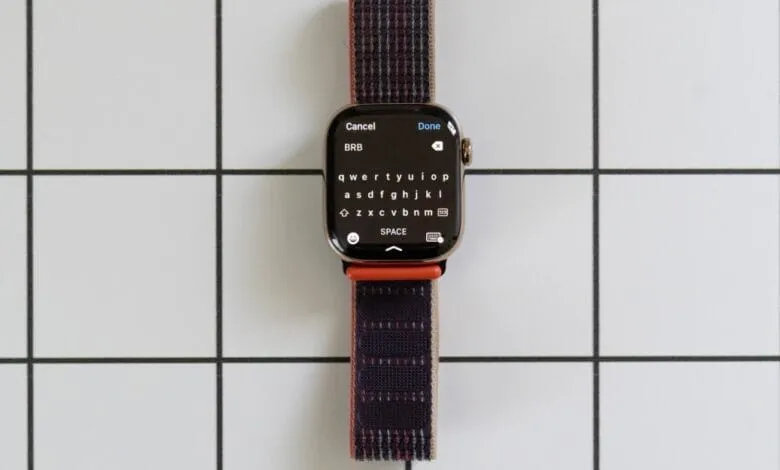
The first day was a mix of liberation and frustration. Using an Apple Watch as my primary device revealed its limitations quickly. While voice dictation worked well, typing on the tiny screen felt cumbersome. I missed the convenience of my iPhone, especially when logging into apps like Strava and Spotify, which required my phone to function properly. Still, biking through the city without a phone in my pocket felt oddly freeing. At a coffee shop, I resisted the urge to scroll, opting instead to people-watch, a small victory.
By day two, reality set in. I cheated slightly by carrying a secondary device as an e-reader, but it lacked cellular connectivity, so I justified it. A trip to Pike Place Market highlighted another quirk: with my iPhone powered off, notifications from apps like Slack didn’t reach my watch. The upside? A temporary escape from work messages. The watch’s battery held up surprisingly well, even during a 40-minute call. Later, though, old habits resurfaced when I caved to bedtime scrolling. Lesson learned: setting boundaries is crucial.
Navigation became a test of trust. On day three, I relied solely on my watch during a bus ride, second-guessing stops without my phone’s reassurance. Surprisingly, I remembered the correct exit, proof that my anxiety wasn’t always justified. But the experiment hit a snag when I couldn’t hail an Uber without a smartphone. A friend came to the rescue, though I later realized traditional taxis or public transit were viable alternatives. A little forethought would’ve saved the hassle.
The final days were a balancing act. I reintroduced my phone for specific tasks, like finding restaurants or handling IKEA pickups, but kept it away when possible. Apple Maps on the watch proved useful for driving, and I grew accustomed to checking notifications via wrist taps. Most notably, I stopped obsessively reaching for my phone at home, opting for podcasts or Sudoku instead. The change felt refreshing.
Key takeaways emerged from the experiment. First, planning ahead is non-negotiable, whether it’s saving taxi numbers or charging the watch more frequently. Second, no single gadget can fully replace a smartphone, but tools like smartwatches help curb dependency. Finally, building better habits isn’t about deprivation; it’s about replacing screen time with activities that engage the mind differently.
While the smartwatch didn’t solve all my digital anxieties, it offered a glimpse of a less phone-reliant life. The real win? Realizing I don’t need my device glued to my hand 24/7. Small steps, like leaving it behind for short outings, make a difference. And though my jaw remains clenched, at least now I know it’s not the phone’s fault.
(Source: The Verge)