Net Neutrality Advocates Drop Appeal, Cite Distrust in Supreme Court
▼ Summary
– Advocacy groups won’t appeal a court ruling against net neutrality rules, citing distrust in the conservative-majority Supreme Court’s fairness on the issue.
– Net neutrality rules were established under Obama, repealed under Trump, and reinstated under Biden before being struck down by a court challenge from telecom lobbyists.
– The current Republican-led FCC opposes net neutrality, making an appeal futile even if the Supreme Court overturned the lower court’s decision.
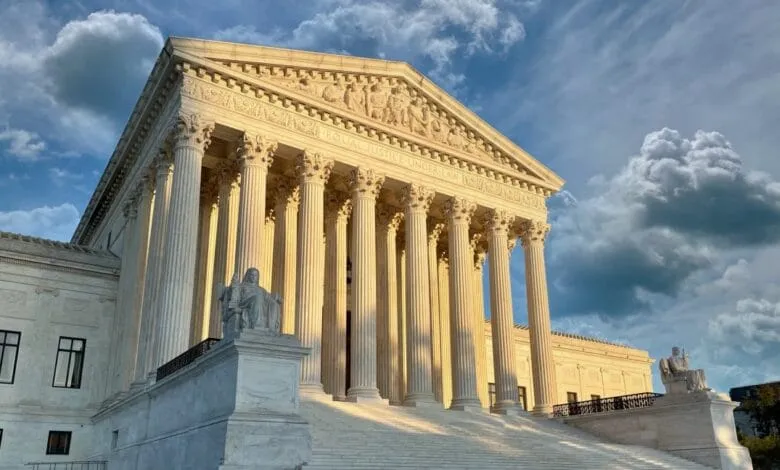
– Advocacy groups argue the conservative FCC and Supreme Court majority consistently side with broadband providers, undermining legal efforts to protect net neutrality.
– The FCC’s net neutrality rules banned ISPs from blocking, throttling, or prioritizing content, hinging on broadband’s classification as a telecommunications service under Title II.
Net neutrality advocates have decided against taking their legal battle to the Supreme Court, citing concerns over the court’s impartiality and the current political landscape. The decision marks a significant shift in strategy for groups fighting to preserve regulations that prevent internet service providers from manipulating online traffic.
The Federal Communications Commission (FCC) first enacted net neutrality protections under the Obama administration, only to see them dismantled during Trump’s presidency. When the Biden administration reinstated the rules, telecom industry groups swiftly challenged them in court, and won at the U.S. Court of Appeals for the 6th Circuit.
Despite having the option to appeal, advocacy organizations like Free Press have chosen not to pursue further litigation. Their reasoning? A lack of confidence in the conservative-leaning Supreme Court and the Republican-controlled FCC, which would likely nullify any favorable ruling. “There’s little sense in fighting a battle we can’t win,” explained Matt Wood, Free Press’s VP of policy. “The current FCC majority and Supreme Court justices have repeatedly sided with corporate interests over public protections.”
Net neutrality rules were designed to ensure equal access to online content by prohibiting broadband providers from blocking, throttling, or creating paid “fast lanes” for certain websites. Legal disputes have centered on whether the FCC has the authority to regulate broadband as a Title II telecommunications service, a classification that enables stricter oversight.
With the appeal abandoned, the future of net neutrality remains uncertain. Advocates warn that without federal safeguards, internet service providers could prioritize profit over fairness, reshaping how users experience the web. For now, the fight moves from the courtroom back to the political arena, where future administrations could once again revisit the issue.
(Source: Ars Technica)