Bankrupt Futurehome Shifts Smart Hub to Subscription Model
▼ Summary
– Futurehome now requires a $116.56 annual subscription for core features of its smart home devices, which were previously accessible with a one-time purchase.
– Without the subscription, users lose control over devices, automations, and support, rendering the devices largely non-functional.
– Customers had a four-week grace period after June 26 to continue using their devices normally before the subscription became mandatory.
– Users are frustrated, especially about losing local device functionality, which doesn’t rely on cloud services but is now paywalled.
– Subscription-free users retain limited functionality, such as managing households and resetting devices, but most features remain locked behind the paywall.
Smart home technology company Futurehome has abruptly shifted its business model, locking essential features behind a paywall and leaving customers frustrated. The Norwegian firm, which previously offered lifetime access to its smart hub functionality, now requires an annual subscription of approximately $116 to maintain basic operations.
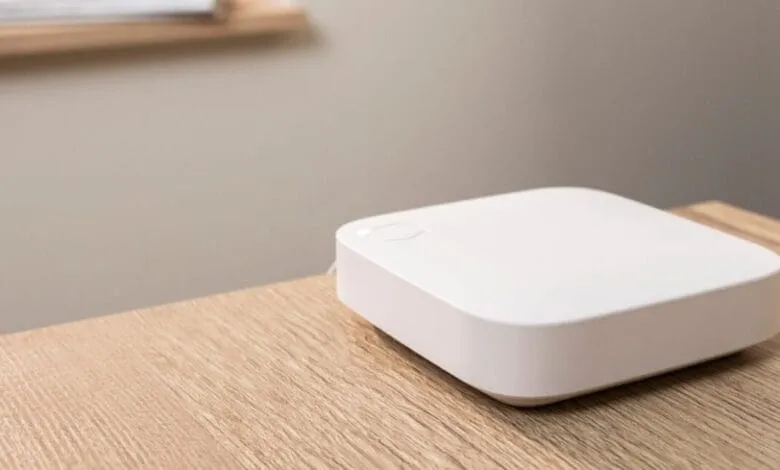
Futurehome’s Smarthub, launched in 2016, served as a central control system for connected devices like thermostats, lighting, and safety alarms. For years, users paid a single upfront cost, assuming full access to automation, remote control, and cloud services. However, as of late June, the company enforced a mandatory subscription, stripping non-paying customers of core functionalities. Without the fee, devices lose automation capabilities, remote control, and even basic support services.
The change blindsided many users, who now face the dilemma of either paying up or watching their smart devices become obsolete. A grace period allowed four weeks of uninterrupted service, but that window has now closed. Futurehome’s FAQ clarifies that non-subscribers retain only minimal functions, household management and device resets, while losing access to automations, energy monitoring, and local API reliability.
Customer backlash has been swift, particularly among tech-savvy users who relied on local network integration. Some argue that cloud-dependent services might justify subscription costs, but locking locally processed features behind a paywall feels exploitative. One Reddit user summarized the frustration, questioning why internal device functions, which don’t rely on external servers, should require ongoing payments.
Futurehome’s decision highlights a growing trend in the smart home industry, where companies increasingly prioritize recurring revenue over one-time purchases. For now, subscribers gain full functionality, while holdouts are left with little more than a glorified paperweight. The company’s vague stance on future changes to local API access only adds to the uncertainty, leaving customers wary of further restrictions.
(Source: Ars Technica)