▼ Summary
– A federal judge ruled in mid-June that the Trump administration’s cancellation of NIH grants was illegal and likely motivated by racism, but the detailed reasoning was released later.
– The written decision, issued Wednesday, is more limited due to recent Supreme Court rulings, resulting in fewer grants having funding restored.
– The court found the government’s actions arbitrary and capricious, as officials canceled grants without evaluating scientific merit or clear policies, leading to resignations.
– Judge William Young initially ruled the grant terminations violated the law and were driven by discrimination against racial and LGBTQ communities, but the written ruling provided further details.
– Recent Supreme Court decisions, like *United States v. Skrmetti*, constrained Young’s ability to address LGBTQ discrimination, acknowledging federal discrimination but not all as pejorative.
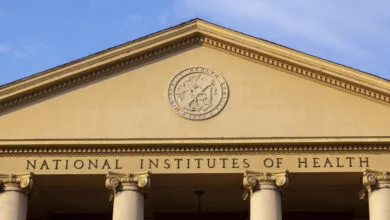
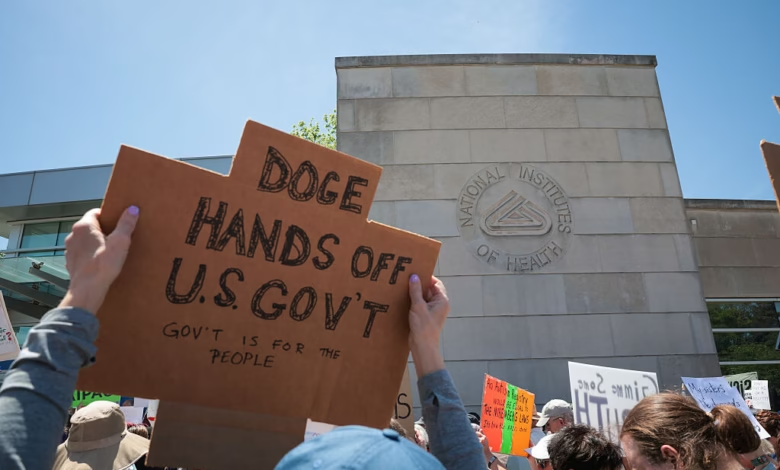
A federal judge recently delivered a sharp critique of the Trump administration’s decision to revoke funding for numerous National Institutes of Health grants, ruling the move unlawful and potentially rooted in discriminatory motives. While the initial verbal ruling came in mid-June, the full written decision, released this week, reveals critical insights into the court’s reasoning and the broader implications of the case.
The judge’s final ruling, though narrower in scope due to intervening Supreme Court decisions, still condemns the government’s actions as arbitrary and capricious. A key issue was the lack of clear criteria for canceling grants, leading NIH officials to terminate funding based on vague directives without evaluating scientific merit. This haphazard approach forced administrators to scramble for justifications after the fact, a process so flawed it prompted several resignations.
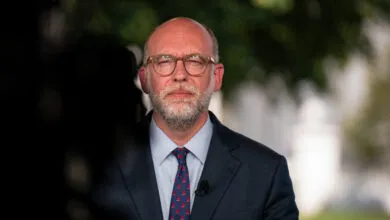
Judge William Young of the District of Massachusetts initially ruled that the grant terminations violated the law and appeared driven by racial and anti-LGBTQ+ bias. However, subsequent Supreme Court rulings, including United States v. Skrmetti, constrained his ability to address certain aspects of the case. While Young maintained that discrimination influenced policy decisions, the higher court’s stance forced him to acknowledge that not all differential treatment qualifies as legally actionable bias.
The written opinion underscores the legal and procedural missteps behind the grant cancellations. Without transparent guidelines, NIH officials relied on broad directives to cut funding, leaving researchers in limbo and undermining trust in federal grant programs. Though fewer grants will ultimately be restored due to the Supreme Court’s influence, the ruling remains a significant rebuke of opaque policymaking and potential discrimination in federal funding decisions.
This case highlights the importance of clear, equitable standards in government grant allocations, a principle now reinforced by judicial scrutiny. While the outcome is more limited than initially expected, the decision sets a precedent for accountability in how federal agencies administer research funding.
(Source: Ars Technica)