Satellites Now Detect Animal Distress – Here’s Why That Matters
▼ Summary
– A Falcon 9 rocket launched a satellite into orbit at 10:44.
– The satellite confirmed it was in the correct orbit and communicating within hours of launch.
– In May, Icarus launched a second system, the microsatellite “Raven,” into orbit.
– After testing, the “Raven” system will begin receiving data from animal tags this summer.
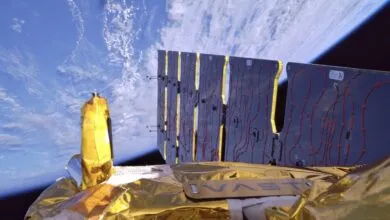
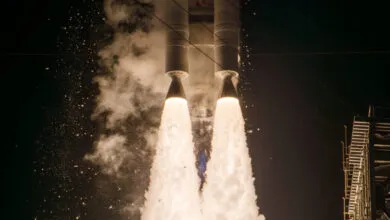
At 10:44, a slender Falcon 9 rocket, its surface slick with condensation, blasted off from the launch pad. It climbed skyward on a tower of flame, carrying its satellite payload into orbit. After years of anticipation, the entire launch unfolded in moments. “Maybe two or three hours afterwards, we already had the confirmation that the satellite is on the right orbit, is communicating, which is really the only thing a satellite has to do,” he recalls. This May, the Icarus project deployed a second orbital system, the microsatellite known as “Raven.” After a brief testing phase, the system is scheduled to start receiving data from animal tags this summer, marking a major leap in wildlife monitoring technology.
(Source: BBC News)