Fossil Tooth Protein Hints Denisovans Passed DNA to Humans
▼ Summary
– Ancient DNA shows that humans interbred with Neanderthals and Denisovans after leaving Africa, and Denisovans had interbred with an even earlier group.
– New evidence from ancient proteins suggests this earlier group was *Homo erectus*, a species that left Africa over a million years ago.
– DNA degrades rapidly without living cells’ repair enzymes, and cooler, dry environments only slow this process, setting a time limit on DNA recovery.
– *Homo erectus* remains appear to be beyond that time limit for DNA sequencing, but protein evidence can still be obtained.
– Modern humans appear to have inherited some *Homo erectus* DNA through interbreeding with Denisovans.
The story of human migration and interbreeding has become increasingly detailed thanks to advances in ancient DNA recovery. We now know that when early humans left Africa, they encountered and mated with other hominin groups already living in Eurasia, namely Neanderthals and Denisovans. But the Denisovan genome itself held a surprise: it contained traces of an even older, unidentified ancestor. For years, the identity of that group remained elusive.
New evidence, drawn from ancient proteins rather than DNA, now points to Homo erectus as that mysterious population. This species left Africa more than a million years ago and spread across Asia. The implication is striking: through interbreeding with Denisovans, modern humans appear to have inherited some Homo erectus DNA as well.
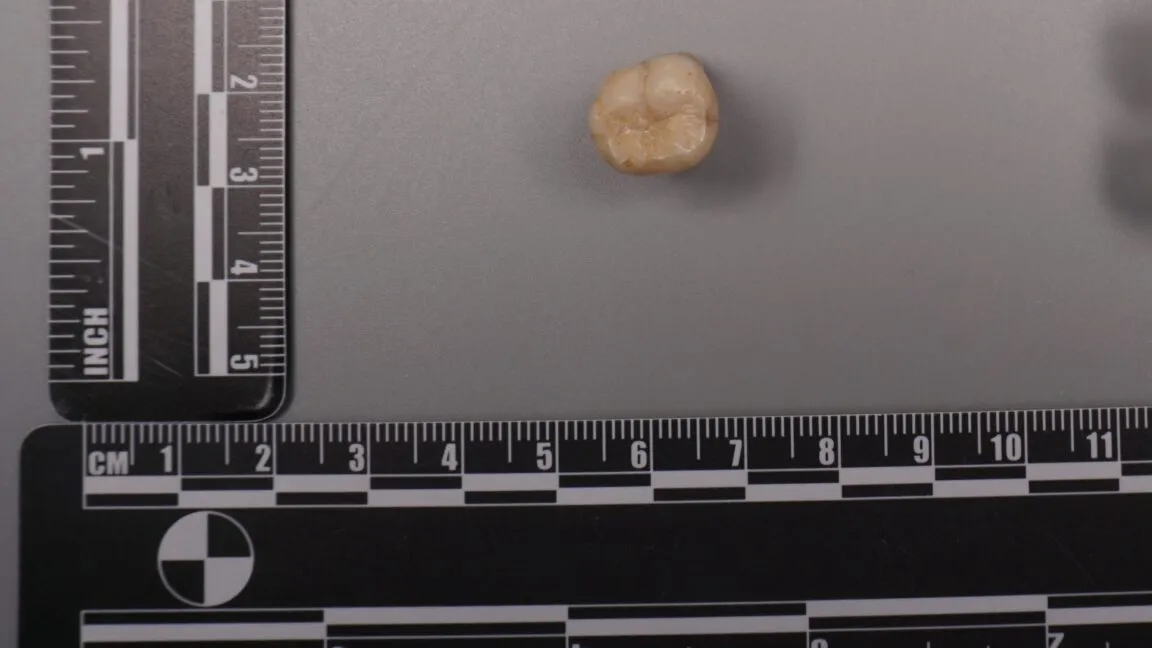
The key to this discovery lies in the teeth. DNA degrades rapidly after death, as cellular repair mechanisms shut down. The double helix fractures, bases mutate, and sequences become unreadable. Cool, dry conditions can slow this decay, but there is a firm time limit on how far back we can retrieve usable genetic material. So far, Homo erectus fossils fall beyond that boundary. Proteins, however, can survive much longer, offering a new window into deep evolutionary history.
(Source: Ars Technica)