DNA IDs Four More Franklin Expedition Crew Members
▼ Summary
– DNA analysis has identified four more crew members from Captain Sir John S. Franklin’s 1846 Arctic expedition.
– The findings were published in two papers: the Journal of Archaeological Science and the Polar Record.
– Franklin’s two ships became icebound in the Victoria Strait, resulting in the deaths of all 129 crew members.
– The expedition was last seen in July 1845 in Baffin Bay, and three crew graves were later found on Beechey Island.
– Survivors attempted to walk to civilization after their ships were trapped, and their remains were discovered at multiple sites starting in 1854.
Archaeologists are steadily advancing their efforts to identify the remains of sailors from Captain Sir John Franklin’s ill-fated 1846 Arctic expedition, using DNA analysis to match recovered bones with living descendants. Four additional crew members have now been named, building on earlier identifications. The latest results appear in two separate studies, one in the Journal of Archaeological Science and another in the Polar Record.
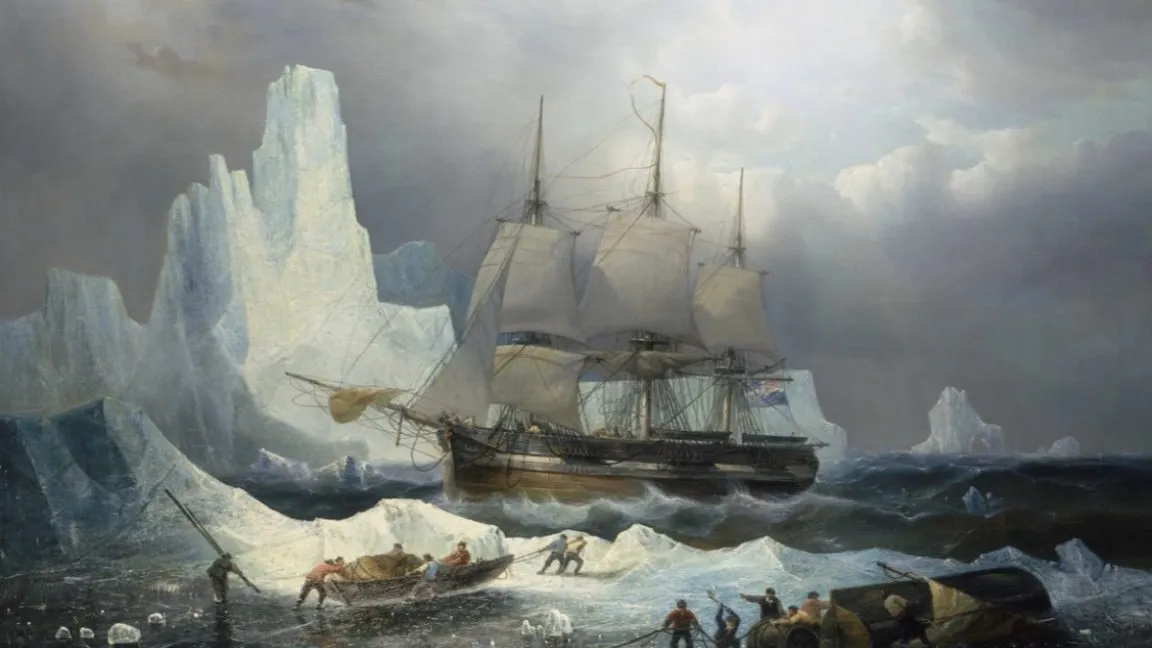
As we have covered before, Franklin’s ships, the HMS Erebus and HMS Terror, became locked in ice within the Victoria Strait in 1846. All 129 men on board perished. The disaster has remained one of the great unsolved mysteries of exploration, capturing public fascination for nearly two centuries. The expedition departed England on May 19, 1845, and was last seen by whaling captains in Baffin Bay in July of that year. Historians have pieced together a largely accepted timeline: the crew wintered on Beechey Island in 1845–1846, where the graves of three sailors were later found.
Once the ice broke, the ships pressed into the Victoria Strait before becoming trapped again off King William Island in September 1846. Franklin himself died on June 11, 1847, according to a note left by Captain James Fitzjames and dated April 1848. Fitzjames took command after Franklin’s death, leading 105 survivors who abandoned the icebound vessels. It is believed that the remaining men either died at their winter encampments or while trying to walk to safety.
No concrete news emerged until 1854, when Inuit hunters told Scottish explorer John Rae about roughly 40 men dragging a ship’s boat on a sledge along the southern coast. The following year, searchers found several bodies near the mouth of the Back River. A second expedition in 1859 uncovered a site about 80 kilometers south of that location, which became known as Erebus Bay, along with more remains and one boat still mounted on its sledge. In 1861, another site just 2 kilometers away yielded even more bodies. When archaeologists rediscovered these two locations in the 1990s, they designated them NgLj-3 and NgLj-2, respectively.
(Source: Ars Technica)