Intel Updates Non-Ultra Core CPUs with New Silicon
▼ Summary
– Intel’s Core Ultra laptop CPUs have been its flagship processors since it retired the older i-series and generational branding.
– The new, non-Ultra Core Series 3 processors are based on new silicon, unlike previous non-Ultra chips which reused older Raptor Lake architecture.
– These chips are codenamed “Wildcat Lake” and share some features with Core Ultra Series 3 but use a simpler, less powerful design.
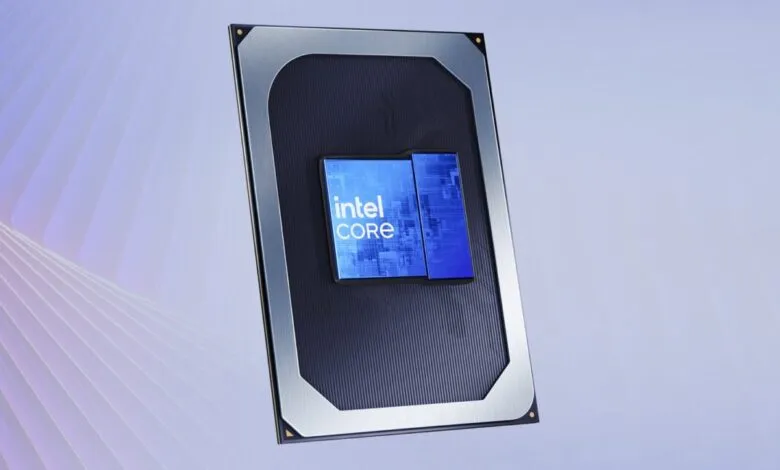
– Each chip combines a compute tile with CPU cores, an Xe3 GPU, and an NPU with a separate platform controller tile for connectivity.
– The processors support specific memory types and operate within a 15W to 35W power range.
For years, the non-Ultra Core CPUs from Intel have occupied a less exciting tier, essentially serving as rebranded versions of older silicon. While the flagship Core Ultra Series processors have showcased new architectures and manufacturing tech, the standard Core chips for Series 1 and 2 were based on the aging Raptor Lake design. This architecture, originally from 2022, created a significant performance and feature gap between Intel’s premium and mainstream laptop offerings.
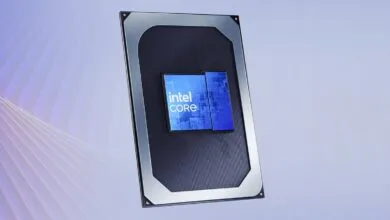
That dynamic is finally changing. The newly announced Core Series 3 processors represent a meaningful upgrade, built on fresh silicon codenamed Wildcat Lake. This marks a return to a more traditional product strategy where mid-range chips benefit from many of the same underlying technological advancements as their high-end counterparts, even if their performance targets differ.
While Wildcat Lake shares some DNA with the current top-tier Core Ultra Series 3 (Panther Lake), it is a deliberately scaled-back design. Each chip utilizes a two-tile architecture. The compute tile houses a CPU configuration with up to two Cougar Cove performance cores and four Darkmont efficiency cores. For graphics, it integrates one or two of Intel’s latest Xe3 GPU cores, and typically includes an NPU rated for up to 17 TOPS. A separate platform controller tile, fabricated on a non-Intel process, consolidates connectivity, offering support for Thunderbolt 4, Wi-Fi 7, Bluetooth 6.0, and six PCIe 4.0 lanes.
These new processors support up to 48GB of LPDDR5X-7467 memory or 64GB of DDR5-6400. They operate within a 15-watt base power envelope, with a maximum turbo power of 35 watts, positioning them for a wide range of mainstream thin-and-light laptops. This update brings modern integrated features and a more competitive architectural foundation to a crucial segment of the market that had been lagging behind.
(Source: Ars Technica)