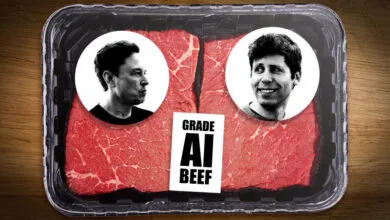
OpenAI’s Future: A Leadership Struggle
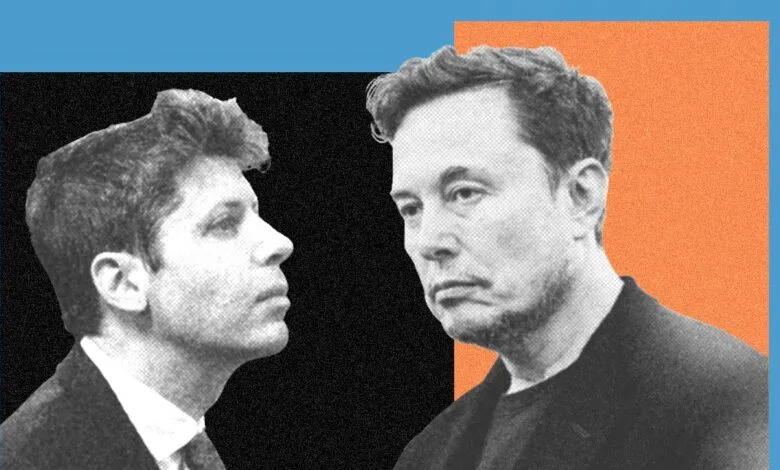
▼ Summary
– Elon Musk’s lawsuit against Sam Altman and OpenAI will go to trial this month in Oakland, with a jury set to resolve a dispute over OpenAI’s founding mission.
– The case’s outcome could significantly impact OpenAI’s corporate future, including its plans for an initial public offering later this year.
– Musk’s suit accuses OpenAI of breaching its nonprofit mission by becoming a secretive, for-profit company, alleging fraud and unjust enrichment.
– Musk seeks remedies including the removal of Altman and Brockman and the return of OpenAI’s profits to its nonprofit.
– Former employees and nonprofits support the case, arguing it is necessary to hold OpenAI accountable to its original safety and beneficence principles.
A federal courtroom in Oakland, California, will soon host a pivotal trial between Elon Musk and Sam Altman, a legal battle that will determine the future of OpenAI’s founding mission. The outcome of this case carries significant implications for the global AI industry, influencing how leading developers control and distribute their most advanced technologies. Beyond the personal dispute between two prominent tech figures, the verdict could directly impact OpenAI’s ambitious plans to file for an IPO later this year, a move critical to its competition with rivals like Anthropic and Musk’s own xAI.
Musk’s lawsuit centers on a fundamental accusation, that OpenAI has abandoned its original nonprofit purpose of ensuring artificial general intelligence (AGI) benefits humanity. The defendants, which include OpenAI, Altman, cofounder Greg Brockman, and major investor Microsoft, face three core claims. Musk first argues the company breached its charitable trust, alleging his early investment was intended for an open-source nonprofit, not the secretive, multi-billion dollar for-profit entity OpenAI has become. His second claim is fraud, asserting Altman and Brockman deceived him about their commercial intentions. The third is unjust enrichment, contending the defendants profited at Musk’s expense.
OpenAI has dismissed the suit as baseless, suggesting Musk is motivated by regret and a desire to hinder a competitor. In a public statement, the company characterized his actions as harassment driven by jealousy. Musk seeks dramatic remedies from the court, including the removal of Altman and Brockman, the return of alleged ill-gotten gains to the nonprofit, and a block on OpenAI’s current public benefit corporation structure.
The case has attracted attention beyond the principal parties. Former OpenAI employees and AI safety nonprofits have filed amicus briefs supporting Musk’s effort to hold the company accountable. They argue that as commercial pressures mount, it is vital to enforce OpenAI’s founding principles of safety and broad societal benefit. Former researcher Jacob Hilton, part of one such group, points to recent actions, like supporting legislation to limit corporate liability, as examples of mission drift. For these observers, the trial is about more than legal technicalities, it is a referendum on whether a pioneering AI lab can balance immense commercial success with its original ethical commitments.
(Source: Wired)

![Guillermo Rauch speaks at Human[X] conference, gesturing with his hand.](https://digitrendz.blog/wp-content/uploads/2026/04/Vercel-founder-Guillermo-Rauch-390x220.webp)