Exynos 2600 Made After Samsung’s $3B Loss Last Year
▼ Summary
– Samsung’s Exynos 2600 is its first 2nm chip and is used in some Galaxy S26 models to reduce reliance on Qualcomm.
– The company incurred a $3 billion loss last year from buying Qualcomm’s Snapdragon chips for the Galaxy S25 series, motivating this shift.
– The high cost of Qualcomm’s Snapdragon 8 Elite Gen 5 for the S26 series threatened Samsung’s profit margins or consumer prices.
– Despite the Exynos 2600’s launch, the premium Galaxy S26 Ultra model still exclusively uses the Qualcomm chip and is the most popular.
– Samsung plans to expand its chipset use, with the Exynos 2700 slated for 50% of Galaxy S27 shipments to further decrease dependency.
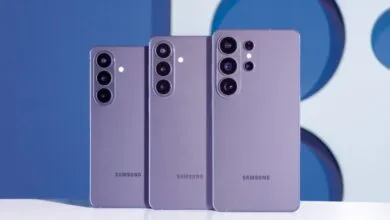
Samsung’s strategic push for chipset autonomy took a decisive turn with the development of the Exynos 2600, its inaugural 2nm GAA SoC powering select Galaxy S26 models. This move toward self-reliance in silicon was not born from ambition alone but was catalyzed by a significant financial setback. Earlier this year, the company absorbed a staggering $3 billion loss, an expense directly tied to its procurement of Qualcomm’s Snapdragon 8 Elite chips for the preceding Galaxy S25 series. That costly lesson underscored the severe price of dependency, compelling Samsung to aggressively revitalize its Exynos division.
Had the Exynos 2600 not materialized, Samsung would have faced a difficult choice for its Galaxy S26 lineup. Relying solely on the premium-priced Snapdragon 8 Elite Gen 5 would have squeezed profit margins to unsustainable levels or forced unwelcome price increases onto consumers. While the flagship Galaxy S26 Ultra continues to ship exclusively with the Qualcomm chip, the availability of the in-house Exynos 2600 for other models provided a crucial counterbalance. Its arrival proved particularly timely as broader industry pressures, including a DRAM crisis, made smartphone price hikes inevitable. Even though the Exynos variant accounts for only a quarter of total Galaxy S26 shipments, its presence helps mitigate the financial impact of Qualcomm’s components, which are estimated to cost around $280 per unit.
Market reception to the Exynos 2600 has been mixed, with some users expressing reservations about its performance compared to the Qualcomm alternative. However, the pivotal $3 billion loss appears to have been the necessary catalyst for Samsung’s renewed commitment. The company’s strategy is clearly looking beyond the present. With Qualcomm preparing to launch next-generation Snapdragon 8 Elite Gen 6 chips on an advanced 2nm process later this year, component costs are poised to climb even higher. Samsung’s planned response focuses on reducing, not repeating, its expensive reliance on an external supplier.
Reports now indicate that the successor, the Exynos 2700, is slated for integration in up to 50 percent of next year’s Galaxy S27 family devices. This represents a major step toward rebalancing Samsung’s supply chain and insulating its finances. The path to full silicon independence remains challenging and will require consistent execution. For Samsung, however, the prospect of avoiding annual billion-dollar losses to a competitor makes the arduous journey a necessary and calculated business imperative.
(Source: Wccftech)