Linux 7.1 To Drop i486 CPU Support
▼ Summary
– Linux kernel developers have queued a patch to start phasing out support for Intel 486 CPUs.
– This change is part of the preparations for the upcoming Linux 7.1 merge window.
– The process will ultimately lead to the complete removal of 486 support from the kernel.
– This marks a significant step in deprecating very old hardware from the mainline kernel.
– The 486 processor family is now considered obsolete for modern kernel development.
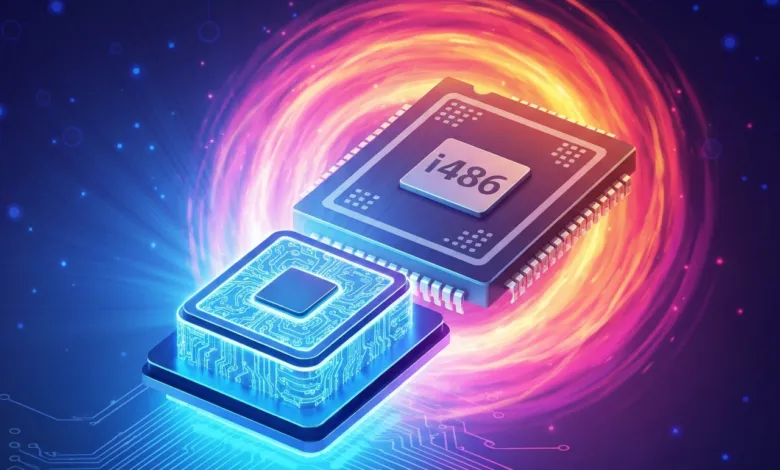
The Linux kernel is poised to take a significant step forward by officially ending support for a foundational piece of computing history. A new patch, submitted for the upcoming Linux kernel 7.1 development cycle, initiates the process of removing compatibility for Intel i486 processors. This move marks the conclusion of an era, as support for these chips has been maintained for decades, long after they ceased to be relevant for modern computing.
The i486, or 486, series was Intel’s flagship processor line in the early 1990s, representing a major leap in performance and architecture over its predecessor. For years, the Linux kernel has retained the underlying code to ensure these systems could still boot and run, a testament to the project’s commitment to broad compatibility. However, maintaining legacy support carries a cost. The code required for these outdated CPUs adds complexity to the kernel and can sometimes hinder optimizations for contemporary, 64-bit architectures that dominate today’s hardware landscape.
Removing this legacy code streamlines the kernel’s codebase. Developers can focus their efforts on refining support for modern systems without the burden of testing and maintaining pathways for hardware that has been obsolete for over two decades. This decision follows a natural progression seen in other software ecosystems, where dropping support for antiquated technology is necessary to foster innovation and improve efficiency. The phase-out is expected to be gradual, ensuring a smooth transition within the development community.
Ultimately, this change reflects the forward momentum of open-source development. While it severs a tangible link to computing’s past, it allows the Linux kernel to evolve more freely, optimizing performance and security for the vast majority of users on current and future hardware. The retirement of i486 support is a logical, if symbolic, milestone in the ongoing maturation of one of the world’s most critical software projects.
(Source: Phoronix)