ESRB Won’t Adopt PEGI’s New Age Ratings in US
▼ Summary
– The ESRB will not follow PEGI’s lead in factoring paid random items (like loot boxes) into its age ratings, believing it could confuse parents.
– The ESRB currently provides separate labels to notify parents about features like in-game spending, arguing this method offers clearer information.
– PEGI is introducing four new rating categories in June to address modern elements like paid random items and play-by-appointment design.
– Under the new system, games like EA Sports FC and Pokémon Pokopia could see their age ratings increase significantly due to these new criteria.
– PEGI acknowledges the complexity of applying new ratings to existing “legacy” live-service games and will review some, but not continuously monitor all past titles.
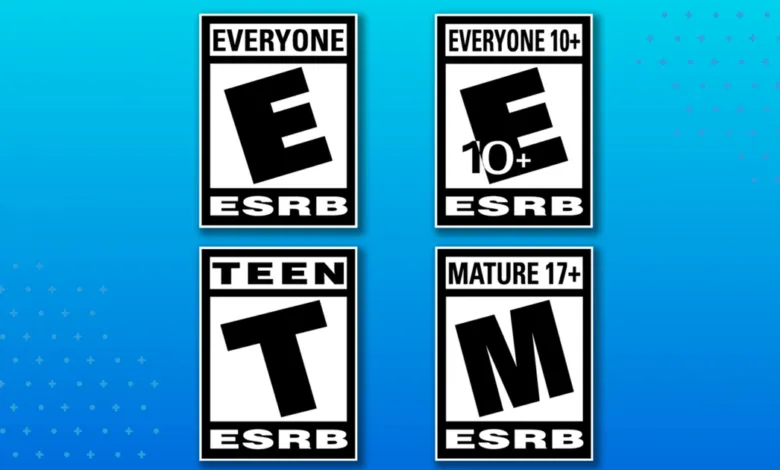
The Entertainment Software Rating Board (ESRB) has confirmed it will not be adopting a new approach recently announced by its European counterpart, PEGI. The Pan European Game Information system plans to begin factoring monetization elements, such as paid random items (loot boxes), directly into its age rating decisions starting in June. The ESRB, however, believes this integration could create confusion for parents in the United States, preferring to keep its content-based ratings separate from supplemental purchase warnings.
An ESRB spokesperson explained the organization’s position, stating that their research shows parents want clear, upfront notices about features like online interactions and the ability to spend real money. They argue that blending these non-content factors into the core age rating might obscure important information. “It could be confusing if non-content related features influence rating category assignments,” the spokesperson said. For now, the ESRB will continue using its distinct adjoining labels to alert consumers about in-game purchases and random items, maintaining a clear separation between a game’s content maturity and its commercial mechanics.
PEGI director general Dirk Bosmans acknowledged the ESRB’s concerns, admitting the change involves a difficult balance. By integrating context into the age rating, some granular detail previously provided in separate descriptors could be lost. “You do want to inform them both about the content, and the context, of video games,” Bosmans noted. “But by integrating them both into an age rating, you have to be mindful that you may not be able to give all the levels of detail that you gave beforehand.”
The practical impact of PEGI’s new criteria will become visible later this year. Notable titles like the next EA Sports FC could see its rating jump from PEGI 3 to PEGI 16 due to the inclusion of paid random items. Similarly, a game like Pokémon Pokopia might move from a PEGI 3 to a PEGI 7 rating because its design encourages daily check-ins, falling under a new “play-by-appointment” category.
For existing games, the situation is nuanced. While many previously released titles will retain their current ratings, PEGI has confirmed that ongoing live-service games will be subject to reappraisal. Bosmans clarified that the process for evaluating legacy products is complex, given the vast and ever-updating catalog of games. The organization has been tracking in-game purchases for years, building a database to inform these future decisions.
When asked about the upcoming release of a major title like Grand Theft Auto 6, which will almost certainly carry a PEGI 18 rating, Bosmans offered a pragmatic perspective on parental guidance. His response underscored that ratings are a starting point for informed decisions, not an absolute decree, highlighting the ongoing dialogue around how best to equip families with the information they need in a rapidly evolving digital marketplace.
(Source: Eurogamer.net)