This AI-Powered ‘Robot Phone’ Is Impossible to Ignore
▼ Summary
– The Honor Robot Phone, featuring an AI-powered, motorized gimbal camera that interacts with users, will be a key focus at MWC 2026.
– Its promotional video, which is AI-generated, shows the phone performing sentient-like actions such as playing with a baby and critiquing outfits.
– The author is skeptical, suggesting the device might only be a concept demo and not a commercially viable product ready for market.
– Significant practical concerns are raised about the phone’s durability, battery life, and the current maturity of AI and robotics in phones.
– Honor will also showcase its more conventional next-generation foldable phone, the Magic V6, at the same event.
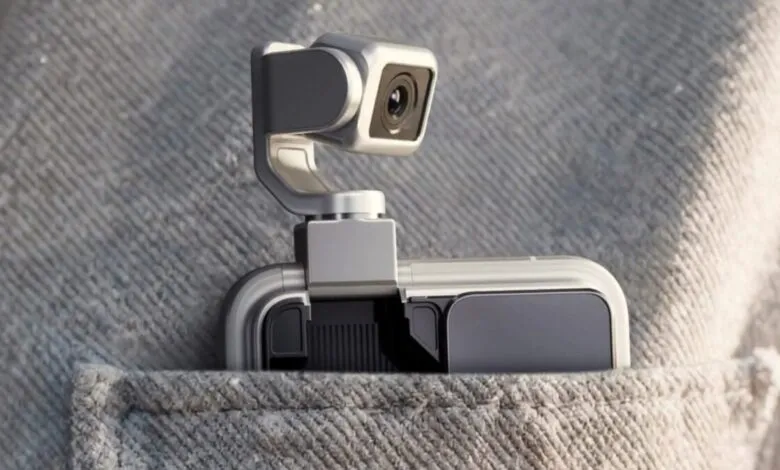
The upcoming Mobile World Congress in Barcelona is poised to feature a standout device that promises to redefine our interaction with technology: Honor’s so-called “Robot Phone.” This intriguing concept, teased through leaks and promotional material, centers on a phone with a motorized, gimbal-based camera that appears to possess a life of its own. Using AI and computer vision, the device reportedly can track a user, responding with animated tilts and movements that evoke the charming personality of characters from animated films. While the spectacle is captivating, it raises significant questions about the current state of smartphone innovation and whether such a futuristic vision is ready for the real world.
Initial impressions suggested the phone might simply be a smartphone with an advanced stabilized camera system, similar to popular handheld gimbals. However, Honor’s promotional video depicts a far more interactive experience. The AI-generated footage shows the device peeking from a shirt pocket to observe a walk, engaging with a baby, and even commenting on clothing choices. This portrayal pushes the concept beyond a photography tool into the realm of a robotic companion. The core promise remains its ability to capture smooth, stabilized video, but the added layer of personality is what makes it impossible to ignore.
For all its imaginative appeal, the robot phone feels like a glimpse into a distant future rather than an imminent product. The mobile industry is still grappling with the foundational implementation of on-device AI and large language models. Basic voice assistants often struggle with complex tasks, making the leap to a physically animated device with motorized components seem premature. The history of mobile tech is littered with short-lived hardware novelties, from motorized pop-up cameras to other mechanical features that sacrificed durability for flair. This new concept invites practical concerns about battery drain, mechanical resilience, and overall usefulness beyond its initial novelty.
Honor is certainly generating buzz, but a more tangible and expected reveal at MWC will be its next-generation foldable phone, the Magic V6. This device represents the company’s continued refinement of a proven form factor. Rumors indicate the Magic V6 could be thinner than its predecessor and potentially feature groundbreaking durability ratings, along with improvements to its hinge and foldable screen technology. This foldable represents the current, commercial frontier of phone innovation, evolutionary, not revolutionary.
The robot phone concept is a fascinating thought experiment that highlights where ambition could one day lead. It challenges the static, rectangular slab that smartphones have largely remained. Yet, between the compelling fantasy of an animated AI companion and the practical reality of daily-use devices, there remains a substantial gap. It serves as a reminder that while the industry dreams of robotic convergence, the immediate future still belongs to enhancing the intelligence and form factors we already have.
(Source: Gizmodo)


