Shingles Vaccine May Also Prevent Dementia, Study Finds
▼ Summary
– A shingles vaccine appears to prevent dementia and may slow biological aging, according to growing scientific literature.
– Recent studies suggest the vaccine’s protective effects against dementia might be even greater with newer versions.
– The vaccine was originally designed to prevent the reactivation of the varicella-zoster virus, which causes shingles.
– Shingles is a painful condition that can cause long-term complications like nerve pain and vision or hearing damage.
– The first shingles vaccine, Zostavax, reduced the risk of shingles by 51% by boosting the immune system against the latent virus.
Emerging research suggests a surprising and significant benefit from a common adult vaccine: protection against dementia. A series of scientific studies indicates that receiving the shingles vaccine may substantially lower an individual’s risk of developing Alzheimer’s disease and other forms of cognitive decline. This potential effect adds a powerful new dimension to the vaccine’s purpose, which was originally designed solely to prevent the painful reactivation of the chickenpox virus.
For several years, observational data has consistently shown that older adults who are vaccinated against shingles appear to have a reduced incidence of dementia. Recent findings have strengthened this link, with one study last month proposing that the vaccine might even help slow markers of biological aging, such as systemic inflammation. According to the study’s author, Eileen Crimmins of the University of Southern California, this growing body of evidence points to vaccines having a broader role in promoting healthy aging beyond just preventing immediate infectious diseases.
Another study published this month suggests earlier research may have actually underestimated the protective effect. The analysis indicates that the newer, more effective shingles vaccine could offer even greater defense against cognitive decline than older versions. This points to a potentially robust and meaningful connection.
It is important to note that any protection against dementia would be an unexpected bonus. The vaccine’s primary function is completely unrelated; it exists to guard against the varicella-zoster virus. This is the same virus that causes chickenpox during childhood. After a person recovers from chickenpox, the virus remains dormant within their nerve cells for life. In some individuals, particularly as the immune system weakens with age, the virus can reactivate. This reactivation causes shingles, a condition characterized by a painful, blistering rash that can lead to severe complications.
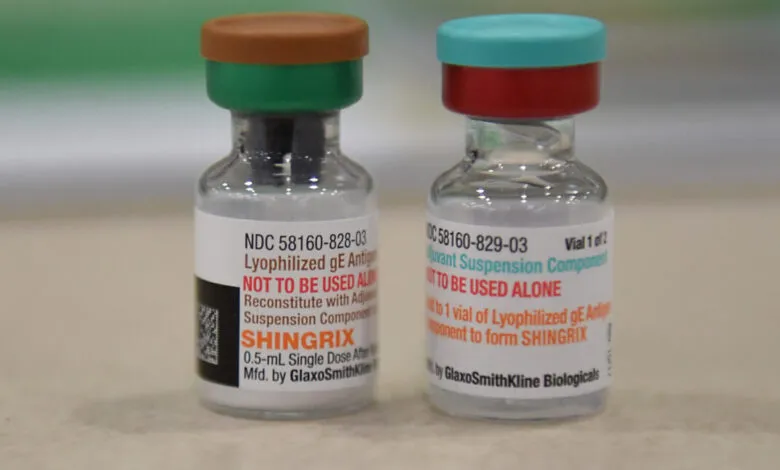
The first shingles vaccine, Zostavax, was introduced in 2006. It uses a live but weakened form of the virus to stimulate the immune system, effectively boosting its ability to keep the latent virus in check. Clinical trials found it reduced the risk of developing shingles by about 51 percent. The newer vaccine, which employs a different technology, has demonstrated even higher efficacy. The intriguing possibility that these vaccines might also fortify the brain against degeneration is transforming how scientists view their overall health impact.
(Source: Ars Technica)