Artemis II Rocket Heads Back for Repairs, NASA Says
▼ Summary
– NASA has delayed the Artemis II moon mission’s launch, originally targeted for March, due to a newly discovered problem with helium flow in the rocket’s upper stage.
– The issue requires the Space Launch System rocket to be rolled back from the launch pad to the Vehicle Assembly Building for repairs, which is the only place such fixes can be made.
– This setback follows a recent successful fueling test that had raised hopes for a March launch after a previous issue with a hydrogen leak was resolved.
– NASA Administrator Jared Isaacman acknowledged the disappointment, stating it is felt most by the NASA team who have been working tirelessly on the mission.
– The next available series of launch dates for the mission now begins on April 1, as the March launch window is no longer under consideration.
Just days after expressing confidence in a potential March launch, NASA has confirmed its Artemis II mission rocket must return to the Vehicle Assembly Building for repairs, a move that definitively rules out a launch attempt next month. The decision follows the discovery of an interruption in the helium flow to the rocket’s upper stage, a problem that can only be addressed inside the massive assembly building at Kennedy Space Center.
NASA Administrator Bill Nelson detailed the issue in a series of social media updates, noting that engineers are still investigating the root cause of the helium flow interruption detected on Friday evening. Regardless of the specific fault, any necessary remediation work requires the controlled environment of the VAB. This development is a significant setback for the highly anticipated mission, which aims to send four astronauts on a journey around the Moon.
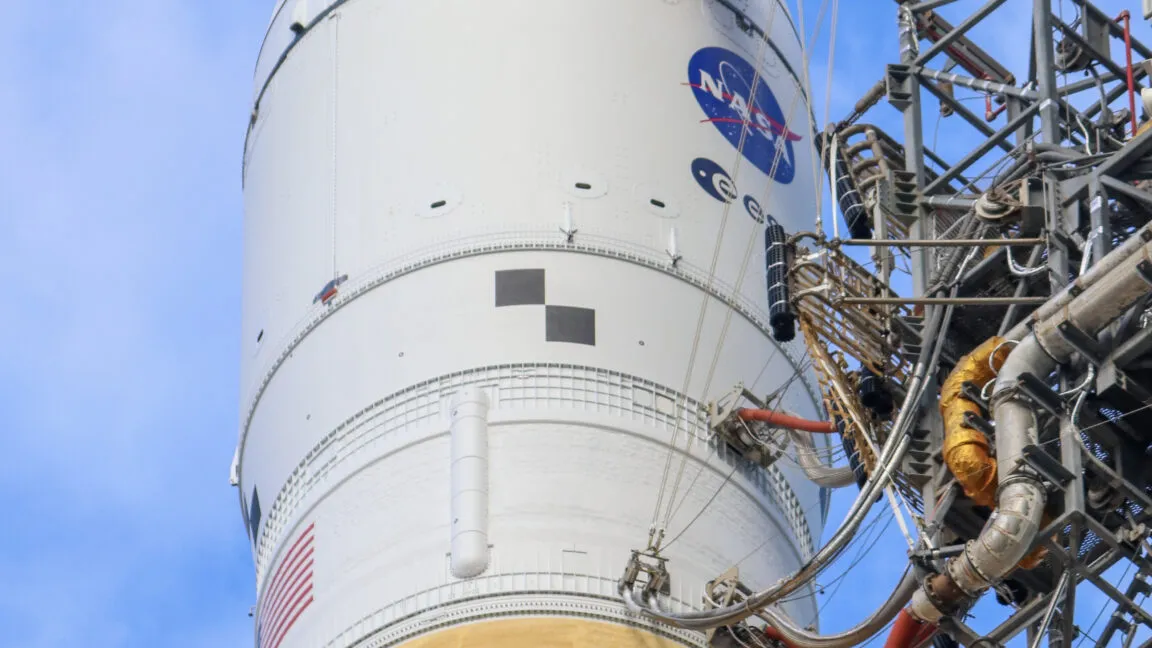
Consequently, ground teams will now prepare to roll the colossal 322-foot Space Launch System rocket off Launch Complex 39B. The rocket and its mobile launch platform will make the slow, four-mile journey back to the assembly building aboard NASA’s iconic crawler-transporter. This rollback process eliminates the possibility of launching during the entire March launch window, a period that offered five potential days for liftoff starting as early as March 6.
The team had recently overcome another technical hurdle, successfully completing a fueling test on Thursday after fixing a hydrogen leak discovered earlier in the month. That success had bolstered hopes for a March attempt, making this new helium issue particularly disappointing. Nelson acknowledged the frustration, stating that while the public may be let down, the disappointment is felt most acutely by the dedicated NASA and contractor teams who have worked tirelessly to prepare for this historic flight.
With March opportunities now unavailable, the focus shifts to the next series of launch dates, which begin on April 1. These monthly launch windows are constrained by the Moon’s orbital position, the required flight trajectory, and specific thermal and lighting conditions. The return to the VAB will allow engineers to thoroughly diagnose and fix the helium system issue, ensuring the rocket is fully prepared for its critical role in returning humans to lunar exploration.
(Source: Ars Technica)