Foreign Scientists Reportedly Pushed Out at U.S. Research Lab
▼ Summary
– The National Institute of Standards and Technology (NIST) is considering new restrictions that could limit the work of foreign-born researchers, which lawmakers warn may drive away valuable expertise and damage the agency’s credibility.
– These rumored changes include limiting international graduate students and postdoctoral researchers to a maximum of three years at NIST and have already led to canceled hiring plans and reduced lab access for noncitizens.
– NIST states the proposed changes aim to protect U.S. science from theft and abuse, a goal that aligns with bipartisan efforts to secure intellectual property, though critics argue the measures may be excessive.
– Democratic lawmakers, led by Representative Zoe Lofgren, have demanded transparency and a pause on the new policies, contending they go beyond reasonable security needs and could undermine U.S. scientific competitiveness.
– The potential restrictions are part of a broader series of Trump administration immigration policies that tech industry leaders warn could dismantle the lives of immigrant researchers and hamper economic growth by pushing talent elsewhere.
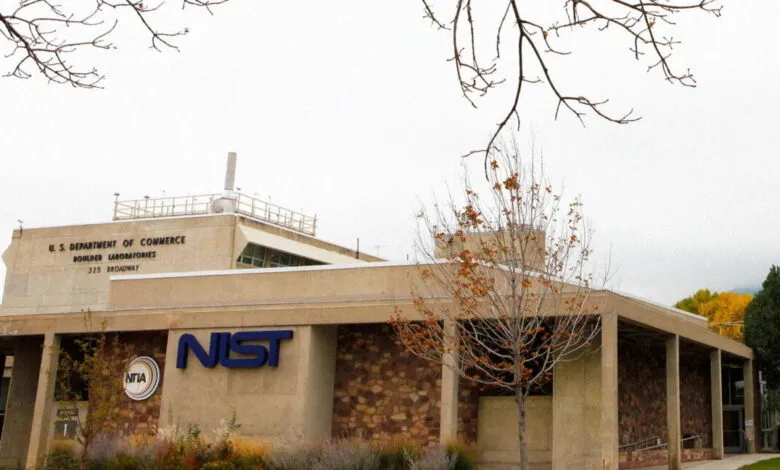
Concerns are mounting that new security measures at a premier U.S. government research institution could force out foreign-born scientists, a move experts warn may drain the nation of critical expertise and undermine the agency’s global standing. The National Institute of Standards and Technology (NIST), which sets foundational standards for technologies like artificial intelligence and semiconductor manufacturing, relies heavily on international researchers for its pioneering work. Reports of stringent new restrictions have sparked alarm among lawmakers and within the scientific community.
For weeks, rumors have circulated about impending policy shifts that would limit the participation of non-U.S. citizens at NIST facilities. In a letter to the agency’s acting director, Representative Zoe Lofgren, the top Democrat on the House Science Committee, expressed deep concern over the lack of official communication. She confirmed through sources that steps are indeed being taken to restrict foreign-born researchers’ ability to work at the institute. The letter, cosigned by fellow committee member April McClain Delaney, demands transparency and a pause on any changes until Congress can review their necessity.
These developments follow a local news report indicating that international graduate students and postdoctoral researchers would face a new three-year cap on their time at NIST, a period significantly shorter than the five to seven years typically required to complete their projects. Further reports state that “noncitizens” have already lost after-hours access to a key laboratory, with fears of a complete ban looming. Internally, NIST staff report that plans to hire foreign workers through specific programs have been canceled due to uncertainty around new security protocols, which have not been clearly communicated to employees.
A NIST spokesperson stated that the proposed changes aim to protect U.S. science from theft and abuse, reflecting a bipartisan priority to safeguard intellectual property from foreign adversaries. The agency has recently faced congressional scrutiny over its security procedures. However, Representative Lofgren argues the rumored restrictions appear to exceed reasonable security needs and could inflict severe collateral damage. Her letter insists that overly broad policies risk damaging the very research security they aim to protect.
The potential exodus of talent from NIST would compound the effects of other recent immigration and visa policies that tech industry leaders say discourage skilled researchers from working in the United States. These include increased fees for H-1B visas, the revocation of student visas, and plans to limit job training for international students after graduation. Former NIST Director Pat Gallagher, who led the agency under President Obama, warns that such measures could erode the hard-earned trust NIST has built with global industry and scientific communities. He emphasizes that the institute’s unique credibility is its cornerstone, enabling vital collaboration.
NIST has already endured a tumultuous period, including significant budget cuts that led to the loss of hundreds of staff members. The agency, which has historically hosted an average of 800 international researchers each year, now faces a new challenge. Lawmakers fear that even the circulation of rumors may be enough to deter top global scientists from coming to the U.S., ultimately weakening national competitiveness in fields essential for economic and technological leadership. The situation highlights the ongoing tension between securing research and maintaining the open scientific exchange that has long fueled American innovation.
(Source: Ars Technica)