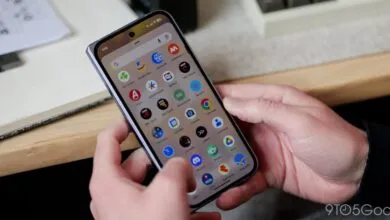
Android 17 Beta Launches for Pixel Phones
▼ Summary
– Android 17 Beta 1 has been officially released after a previously announced beta rollout was unexpectedly canceled.
– This initial beta focuses on testing system and API changes, with expanded mandatory support for adaptive apps that scale to different screen sizes.
– Apps targeting Android 17 must now support resizing and windowed multitasking, unlike the previous version where developers could opt out.
– The update includes media and camera improvements, such as smoother camera sensor switching and professional-grade support for the efficient VVC video standard.
– New performance optimizations feature generational garbage collection for more frequent and less CPU-intensive memory management.
After a brief and unexplained delay, the first beta version of Android 17 is now available for recent Google Pixel phones. This initial release focuses on foundational system and API changes for developers, offering a glimpse of the platform’s future direction rather than a complete set of user-facing features. While the final version is still months away, this beta marks the official start of the public testing phase.
Google will likely detail more consumer-oriented features in the coming months, but this wide release is primarily for testing core system stability and developer APIs. One of the most significant changes is the mandatory expansion of adaptive app support, which ensures applications can properly scale to various screen sizes. This functionality, which first appeared in Android 16 but allowed developers to opt out, is now a requirement for any app targeting the new Android 17 API level. The updated policy means apps must support dynamic resizing and windowed multitasking, making them more usable on large-screen devices like tablets and foldables. Apps can continue to target older APIs for now, but Google may filter non-compliant apps from the Play Store in the future.
The beta also introduces improvements to media and camera support. An updated camera API allows applications to switch between different camera sensors more smoothly, eliminating the need to restart the camera activity for each change. Furthermore, the system now includes built-in “professional-grade” support for the Versatile Video Coding (VVC) standard, enabling more efficient video encoding and decoding directly within Android for better performance and quality.
Google has also highlighted new performance optimizations in this build. The operating system will implement a more efficient approach to memory management known as generational garbage collection. This method performs more frequent, yet less CPU-intensive, cleanup of unused processes and data from memory. The goal is to improve overall system responsiveness and resource management, providing a smoother experience even during demanding multitasking.
(Source: Ars Technica)