India Teams with Alibaba to Boost Exports Despite China Tech Bans
▼ Summary
– India’s Startup India initiative has partnered with Alibaba.com to help Indian startups and small businesses export goods via its global B2B platform.
– This selective engagement occurs despite India’s ongoing bans on many Chinese consumer apps, highlighting a distinction between export-focused and consumer-facing platforms.
– The partnership aims to leverage Alibaba.com’s vast international network to help Indian micro, small, and medium enterprises, which are crucial to the country’s exports and GDP.
– Analysts describe the move as part of India’s differentiated policy, allowing beneficial economic cooperation with China while maintaining restrictions in strategic sectors.
– The collaboration follows other Alibaba.com initiatives in India, like a Trade Assurance program, and coincides with tentative multilateral tech engagement between the two countries.
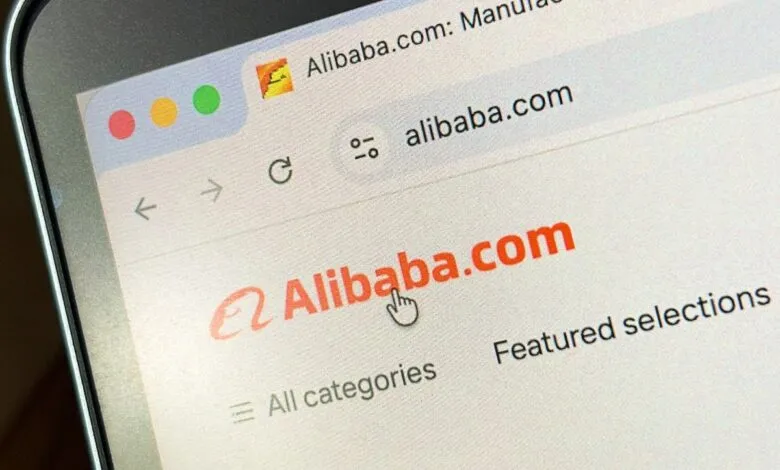
In a strategic move to bolster its export economy, the Indian government has entered a partnership with the Chinese e-commerce giant Alibaba.com. This collaboration, facilitated through the Startup India initiative, is designed to empower local startups and small businesses by connecting them with international buyers on a global B2B platform. This development underscores a nuanced, sector-specific approach to foreign tech engagement, even as broader bans on numerous Chinese consumer applications remain firmly in place.
The program will identify and support Indian startups that can, in turn, assist small manufacturers and traders in scaling their operations for overseas markets. These startups will receive commissions and technical support to onboard exporters onto Alibaba.com’s platform. This focus on micro, small, and medium enterprises (MSMEs) is critical, as this sector contributes nearly half of India’s exports and approximately 31% of its GDP. Expanding digital market access for these smaller firms is a central pillar of New Delhi’s economic strategy.
This partnership emerges against a backdrop of prolonged geopolitical tension. Following a deadly border clash in 2020, India instituted bans on dozens of Chinese-linked apps, including TikTok, PUBG Mobile, and Alibaba’s own AliExpress. Those restrictions have not been lifted, making the current collaboration a carefully calculated exception rather than a wholesale policy shift. It reflects a pragmatic differentiation between consumer-facing apps, which are seen through a national security lens, and B2B export platforms that deliver clear economic value.
Alibaba.com’s platform boasts a massive global network, connecting over 50 million active buyers across more than 200 countries. Rocky Lu, head of India business for Alibaba.com, emphasized the company’s long-standing commitment to the Indian market, stating their core mission is “empowering MSMEs to scale their businesses globally.” He highlighted ongoing engagement with various government and export promotion bodies, though he did not confirm if this Startup India deal is the first direct federal partnership since 2020.
Policy analysts view this as a sign of India’s differentiated approach toward China. “The government seems to be drawing a distinction between export-focused platforms and consumer-facing Chinese apps,” observed George Chen, a partner at The Asia Group. He noted that platforms like Alibaba.com offer invaluable reach into markets such as Africa, helping Indian exporters diversify their sales. This mirrors a tactic employed by China itself, which blocks apps like Facebook for domestic users but allows businesses to utilize them for international trade.
The initiative follows other recent efforts by Alibaba.com to deepen its roots in India’s export ecosystem, including the June 2025 launch of a Trade Assurance program to help Indian SMEs manage cross-border transaction risks. These business-focused developments coincide with tentative diplomatic engagements, such as expected Chinese participation in an upcoming AI summit in New Delhi. However, Indian officials have given no indication of relaxing the bans on popular consumer technology platforms from China, maintaining a clear boundary between economic utility and perceived strategic threat.
(Source: TechCrunch)