Ring Ends Flock Safety Deal Amid Privacy Concerns

▼ Summary
– Ring has canceled its planned integration with surveillance company Flock Safety, citing that the project required more time and resources than anticipated, and confirming no customer videos were ever shared.
– The cancellation followed intense public backlash and protests from users concerned about privacy and Ring’s partnerships with law enforcement, particularly in light of Flock’s reported work with agencies like ICE.
– Ring’s recent Super Bowl ad for its AI-powered “Search Party” feature and the launch of its “Familiar Faces” facial recognition tool have heightened fears that its products could enable mass surveillance.
– The company defends its features as purpose-driven and opt-in, designed for tasks like identifying pets or family members, while Senator Ed Markey has called for the facial recognition feature to be canceled.
– Ring’s Community Requests program, which replaced an earlier controversial system, continues and allows police to request user video through partners like Axon, with Ring citing its use in a real investigation as a success.
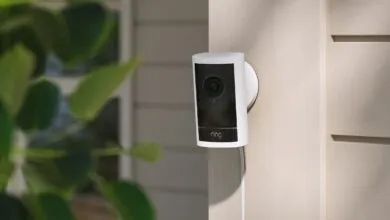
In a significant reversal, Ring has terminated its planned integration with surveillance firm Flock Safety, citing a need for greater resources than initially expected. The decision follows a wave of public criticism and privacy concerns regarding the company’s partnerships with law enforcement. Ring confirmed the partnership, announced last October, never became operational and no customer video was ever shared with Flock. The company emphasized its commitment to neighborhood safety while acknowledging the “significant responsibility” that comes with user trust.
That trust has been severely tested. Recent weeks saw a vocal backlash, with some users advocating for destroying their Ring devices on social media. The controversy intensified amid reports that Flock’s camera network has been accessed by federal agencies like ICE. Although Ring’s specific integration was inactive, the association fueled existing anxieties about the company’s police partnerships.
These fears were compounded by Ring’s recent product launches. A Super Bowl advertisement for the new AI-powered “Search Party” feature, designed to locate lost pets, inadvertently sparked concerns about mass surveillance due to its depiction of numerous cameras scanning neighborhood streets. Furthermore, the introduction of the “Familiar Faces” facial recognition tool led critics, including Senator Ed Markey, to warn that the technological capability for widespread people-tracking is now alarmingly close. Ring defends these features as consumer-focused tools for convenience and control, not surveillance networks.
The scrapped Flock deal was part of Ring’s Community Requests program, a system allowing law enforcement to ask users in a specific area for video footage during active investigations. This program replaced the more controversial “Requests for Assistance” (RFA) tool, which was criticized for facilitating warrantless police access to video. The key difference with Community Requests is that police must use a partnered third-party evidence management system, like Flock or Axon, to submit requests, a structure Ring says strengthens the chain of custody.
Ring maintains that the Community Requests program is valuable for public safety, pointing to its use in a shooting investigation near Brown University. The company states its partnership with Axon continues unaffected, and it is not currently exploring other integrations. The cancellation of the Flock deal highlights the ongoing tension between the pursuit of security and the protection of civil liberties in the connected home era, leaving Ring to navigate a landscape where consumer trust is both essential and fragile.
(Source: The Verge)