2026: The Year of Intentional Media – Why the “Clickbait Era” is Finally Ending
▼ Summary
– The digital media landscape is shifting from a passive “attention economy” to an active “intention economy,” where users deliberately seek content with utility and calm.
– A major trend called “Lifestyle Gravity” predicts non-news content will surpass news consumption, as audiences prioritize hobbies and service journalism over anxiety-inducing headlines.
– AI is evolving into an “Ambient” interface that dynamically repackages news into personalized, context-aware formats like audio summaries or brief graphics.
– Trust has become a critical user experience feature, requiring calmer tones, clear content labeling, and transparent disclosure of AI-generated material.
– The core mandate for creators and platforms is to build value by fitting seamlessly into users’ lives, rather than relying on disruptive engagement tactics.
If the last decade of digital media was defined by the relentless chase for clicks, scrolls, and dopamine hits, 2026 marks the point where the audience finally hit the brakes. According to a new report from digital newsstand giant PressReader, we are officially entering the era of “Intentional Media.”
In their latest forecast, 2026: The Year of Intentional Media, PressReader outlines a fundamental shift in how audiences consume content. The verdict? The attention economy is being replaced by an intention economy. Users are no longer passively doom-scrolling; they are actively selecting content that offers utility, clarity, and calm.
Here is what you need to know about this pivot and the three major trends driving it.
The Great Vibe Shift: From Alarm to “Lifestyle Gravity”
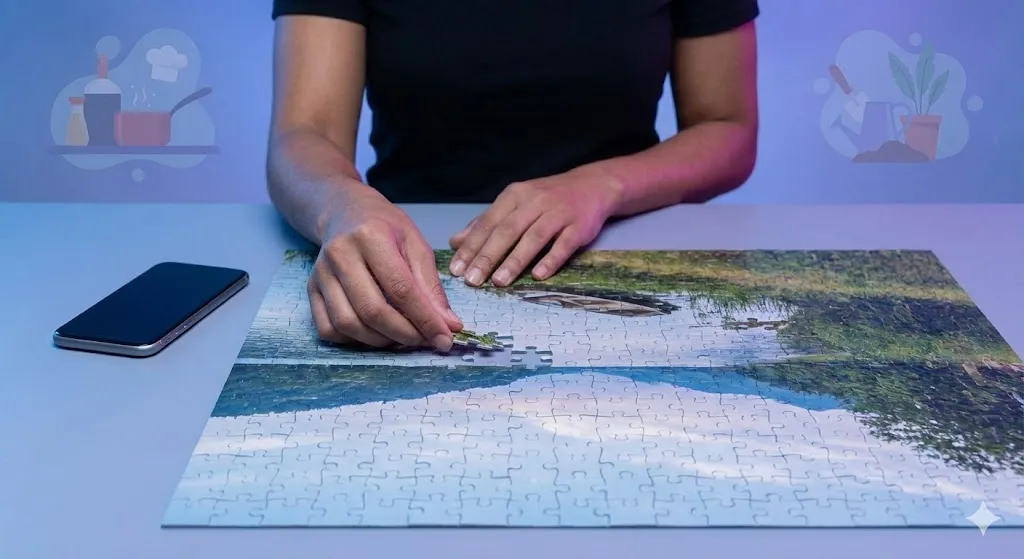
For years, the industry mantra was “if it bleeds, it leads.” But in 2026, anxiety-inducing headlines are driving users away rather than reeling them in.
PressReader predicts that by the end of this year, non-news content will surpass news consumption, accounting for at least 55% of total audience minutes. This trend, dubbed “Lifestyle Gravity,” sees users prioritizing content that protects their nervous systems, think puzzles, hobbies, travel, and cooking.
The takeaway for creators: “Utility and joy beat confrontation and fatigue,” the report notes. Publishers who treat lifestyle content as a premium product, building daily rituals around games or service journalism, will win the loyalty battle.
AI as the “Ambient” Interface

The second major trend is the rise of Ambient News. We are moving past the novelty phase of AI and into its role as a functional infrastructure.
The report suggests that the traditional “front page” is dissolving. Instead, AI will serve as a consumption layer, reformatting journalism into whatever shape fits the user’s immediate context. This could look like:
- A 30-second audio summary before a meeting.
- A “just the numbers” graph for a quick glance.
- A hyper-personalized briefing while making coffee.
For media tech leaders, this means the goal isn’t just creating content; it’s creating flexible metadata that allows AI agents to repackage that content instantly for different modalities.
Trust is Now a UX Feature
Perhaps the most critical insight for 2026 is the concept of “Trust as a Product.” With trust in media hovering at historic lows, the report argues that trust is no longer just an abstract virtue, it’s a user experience requirement.
Audiences are gravitating toward “calm” news formats that explain why something is happening without heightening anxiety. Key differentiators in 2026 will include:
- Calmer Tones: Moving away from alarmist language.
- Labeling: Clear distinctions between analysis, opinion, and reporting.
- AI Disclosure: Transparent tagging of AI-generated content as a default norm.

The DigitrendZ Verdict
PressReader’s report serves as a wake-up call for the digital ecosystem. The era of aggressive engagement hacking is fading. In its place is a more mature landscape where value is defined by how well media fits into a user’s life, rather than how successfully it interrupts it.
For developers, marketers, and publishers, the mandate for 2026 is clear: Stop trying to capture attention, and start trying to be worthy of it.