Apple to Discontinue Original HomeKit Support
▼ Summary
– The author is a senior tech reviewer specializing in smart home and IoT content, with work featured in major publications.
– Apple is ending support for the original HomeKit architecture on February 10, 2026, which may disable smart home devices in the Home app for users who haven’t updated.
– A key impact is that iPads can no longer function as a home hub in the new Apple Home, requiring a HomePod or Apple TV instead.
– To avoid interruption, users must update via the Home app’s Settings, and Apple may perform automatic upgrades after the deadline.
– The new architecture, launched in 2023, offers improved performance, reliability, and Matter support, with the phase-out of the old system being a planned transition.
If you rely on Apple’s Home app to manage your lights, locks, or thermostats, a critical deadline is here. Apple will officially discontinue support for the original HomeKit architecture on February 10, 2026. This means that if you haven’t yet updated to the new Apple Home system, your connected devices may suddenly stop responding within the app on your iPhone, iPad, Mac, or Apple Watch. The company has indicated that after this date, some users may be automatically upgraded to the new platform to prevent a total loss of functionality.
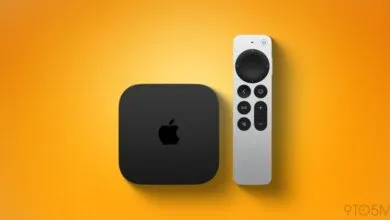
The shift will have a pronounced effect on a specific group of users. Anyone who uses an iPad as their primary Apple Home Hub will need to find an alternative. In the redesigned Apple Home ecosystem, iPads are no longer eligible to act as a hub, which is the device that enables remote access and automation when you’re away from home. Moving forward, you must use either a HomePod or an Apple TV to fulfill that essential role.
Completing the update is a straightforward process. To avoid any interruption in controlling your smart home, you should manually initiate the upgrade. Open the Home app, navigate to Settings, and follow the provided instructions. It’s important to verify that all your devices meet the new requirements beforehand. The new architecture mandates that your iPhone and all connected accessories are running at least iOS 16.2, macOS 13.1, or watchOS 9.2 or higher.
This architectural overhaul first became available with iOS 16.4 in 2023, representing a complete rebuild of Apple’s smart home platform. The company promoted it as delivering better performance and greater reliability. A key advantage of the new system is its native support for Matter, the universal smart home standard. Apple played a significant role in developing Matter and contributed the original HomeKit protocol as a foundational layer for the new standard.
While the upgrade has been optional for users since its introduction, Apple signaled the eventual retirement of the old system last year, initially setting a phase-out date for the end of 2025. That deadline was later extended, but the transition is now imminent. Taking proactive steps to update ensures a seamless experience and continued access to the latest smart home features and integrations.
(Source: The Verge)