Senators Probe Waymo, Tesla on Robotaxi Safety and China Ties
▼ Summary
– Top executives from Waymo and Tesla urged US Senators to pass legislation to speed up self-driving car deployment, but lawmakers appeared no closer to agreement after a contentious hearing.
– Safety was a central theme, with both companies grilled over specific failures like Waymo’s school bus incidents and Tesla’s marketing, while senators questioned if federal oversight was adequate.
– Lawmakers raised concerns about legal liability and binding arbitration, with both companies stating they would accept liability when their technology is at fault in a crash.
– The perceived threat from China’s autonomous vehicle industry was a recurring topic, with executives warning it could become the global leader without US action, and Waymo faced scrutiny for using Chinese-made vehicles.
– Senators criticized operational details, including Waymo’s use of remote operators abroad and Tesla’s lack of geographic limits on its systems, highlighting broader divisions over the technology’s benefits and regulation.
In a pivotal Senate hearing, executives from Waymo and Tesla pressed for federal legislation to accelerate the deployment of self-driving cars, yet lawmakers appeared no closer to consensus after intense questioning. The session highlighted deep divisions over robotaxi safety, legal liability, and the competitive threat from China, underscoring the significant hurdles facing any national regulatory framework for autonomous vehicles.
The discussion repeatedly returned to the core issue of safety. Both companies asserted that safety is their paramount concern, with Tesla’s Vice President of Vehicle Engineering, Lars Moravy, arguing that outdated federal regulations are stifling innovation. However, senators pointed to specific incidents that raised alarms. Waymo faced scrutiny over its vehicles failing to stop for school buses and a recent low-speed collision with a child. While the company’s chief safety officer, Mauricio Peña, outlined steps to improve, he did not address reports that problems persisted even after software updates.
Tesla, meanwhile, was confronted about its decision to remove radar from its vehicles and its marketing practices. Senator Maria Cantwell sharply criticized what she called deceptive branding, noting that Tesla marketed its “Autopilot” system without adequate federal oversight. She expressed grave concerns about the capacity of the National Highway Traffic Safety Administration, which she said has been weakened by staffing cuts, to provide necessary enforcement.
The question of who is responsible when something goes wrong also took center stage. Lawmakers from both parties voiced strong opposition to binding arbitration clauses that could prevent injured parties from suing. When pressed, representatives from Waymo and Tesla stated their companies would accept liability in crashes where their technology was at fault. An independent expert on the panel emphasized the historical role of federal safety agencies in forcing cultural change within industries that neglect defects.
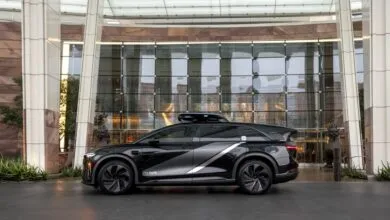
China’s advancing autonomous vehicle industry emerged as a recurring theme, framed as both an economic and a national security concern. A witness warned that without congressional action, China could become the global leader in this technology. This issue became personal for Waymo when senators questioned its choice to use a Chinese-made vehicle for its next-generation robotaxis. Peña assured the committee that all software is stripped from the vehicles before import and that no data is shared with China, but some legislators remained deeply skeptical about supporting Chinese manufacturers.
Further operational details came under fire, particularly the use of remote operators. Senator Ed Markey revealed that Waymo employs some of these safety-critical personnel overseas, in locations like the Philippines, and criticized the company for not providing specific data on this practice. He raised concerns about latency, cybersecurity, and the export of jobs. Markey also lambasted Tesla for not implementing geographic limitations on its driver-assistance features, a standard practice among other autonomous vehicle firms, accusing the company of recklessly endangering lives.
The hearing made it clear that while industry leaders are eager for federal rules to replace a patchwork of state laws, senators are grappling with fundamental questions about safety accountability, fair competition, and consumer protection. The path to comprehensive legislation remains fraught with these unresolved challenges.
(Source: The Verge)