SpaceX Acquires xAI to Build Space Data Centers
▼ Summary
– SpaceX has acquired Elon Musk’s AI startup xAI, creating the world’s most valuable private company with a combined valuation of $1.25 trillion.
– The merger’s stated goal is to develop space-based data centers to meet the immense power demands of AI, which terrestrial solutions cannot sustainably support.
– The combined company faces financial challenges, with xAI reportedly burning $1 billion per month and SpaceX relying heavily on Starlink satellite launches for revenue.
– Despite the long-term space data center vision, SpaceX and xAI have different immediate objectives: proving Starship for moon/Mars missions and competing with leading AI firms, respectively.
– The merger brings together several of Musk’s companies, as xAI previously acquired social media platform X and both Tesla and SpaceX had invested $2 billion each in the AI startup.
SpaceX has finalized the acquisition of xAI, the artificial intelligence company founded by Elon Musk, in a move that establishes the combined entity as the world’s most valuable private firm. The announcement, made by SpaceX, centers on a bold vision to develop space-based data centers, a concept Musk has championed as a solution to the unsustainable energy demands of terrestrial AI infrastructure. In a memo, Musk argued that current AI progress relies on massive ground-based data centers that consume extraordinary amounts of power and cooling, a demand he claims cannot be met without severe environmental and societal impact.
This strategic merger places the new company’s valuation at an estimated $1.25 trillion. While SpaceX has been preparing for a potential initial public offering, the effect of this acquisition on those plans remains uncertain. The deal unites two of Musk’s ventures, each facing significant financial pressures. Reports indicate xAI is currently spending approximately $1 billion per month, while SpaceX derives the bulk of its revenue from launching its Starlink satellite constellation.
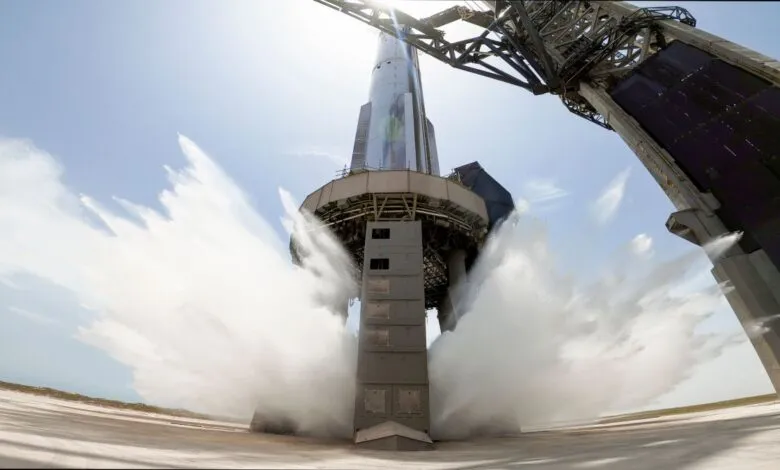
Musk’s vision for orbital data centers hinges on deploying a continuous stream of satellites, which would theoretically guarantee SpaceX a long-term revenue pipeline. This is particularly relevant given that satellites typically must be decommissioned and replaced every few years under regulatory guidelines. However, the near-term priorities for the two companies diverge sharply. SpaceX is intensely focused on demonstrating the capabilities of its Starship rocket for deep-space missions to the Moon and Mars. Meanwhile, xAI is in a fierce competitive race against giants like Google and OpenAI, a pressure that has reportedly led to relaxed safeguards on its Grok chatbot, with troubling consequences.
The merger follows xAI’s previous acquisition of the social media platform X, another Musk-owned entity. Musk also leads several other companies, including Tesla, which alongside SpaceX had previously invested billions into xAI. The integration aims to leverage SpaceX’s launch capabilities with xAI’s artificial intelligence research, though the path to realizing the ambitious goal of off-planet data processing is fraught with both technical and ethical challenges.
(Source: TechCrunch)