Google’s AI Tool Dips Video Game Stock Prices
▼ Summary
– Major video game company stocks like Take-Two, Roblox, and Unity fell significantly following Google’s announcement of its AI-powered Project Genie tool.
– Project Genie, which creates interactive worlds from prompts, is trained on publicly available web data, including over 200,000 hours of gaming videos.
– The tool faces skepticism from developers over AI’s potential to copy existing works and its implications for industry jobs like testing and concept art.
– The current version of Project Genie produces only brief, simplistic, and error-prone experiences without core game elements like objectives or sound.
– Despite its current limitations, tech executives from companies like xAI, Epic, and Meta are heavily promoting the future potential of AI in game creation.
The announcement of a new artificial intelligence tool from Google triggered a noticeable dip in the stock prices of several prominent video game companies. Shares of Take-Two Interactive, Roblox, and Unity all fell sharply following the unveiling of Project Genie, a system that allows users to generate simple interactive worlds from text prompts. This market reaction underscores the deep-seated concerns within the gaming industry about the disruptive potential of generative AI, even as the technology remains in its early stages.
The immediate financial impact was significant. Take-Two’s stock closed down nearly eight percent, while Roblox saw a drop of over thirteen percent. Unity Software experienced the most dramatic decline, with its share price falling by more than twenty-four percent. This sell-off reflects investor anxiety about how such tools could reshape game development, potentially automating tasks and altering the economic landscape for established studios and platforms.
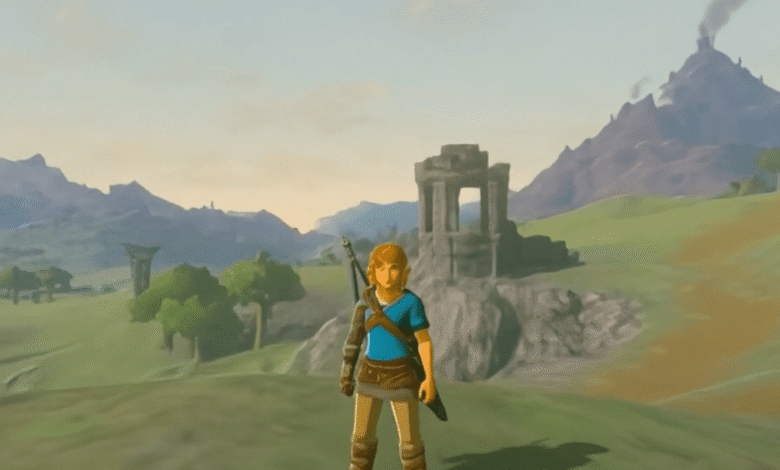
Widespread skepticism already exists among game developers regarding generative AI, often criticized for training on existing creative works without clear permission. Google DeepMind stated that the Genie model was trained on publicly available internet data, including a vast collection of gaming videos. However, the demonstration of Project Genie, which produced environments reminiscent of popular franchises like Super Mario and The Legend of Zelda, highlighted these ethical and creative tensions. The generated experiences lacked the polish, fun, and playability of the originals, but the implication of a tool that could eventually streamline or replace aspects of concept building and testing is causing unease in an industry already facing persistent layoffs.
Currently, the capabilities of Project Genie are quite limited. It creates silent, objective-free interactive clips that last only one minute, often containing visual glitches and inconsistencies. There is no way to export the creations into standard development engines like Unreal or Unity; users can only download a video or generate a new prompt. Despite these technical constraints, the vision from major tech leaders is fueling anticipation for a more automated future in game creation.
Executives are publicly outlining ambitious roadmaps. Elon Musk of xAI has predicted the delivery of personalized, high-quality games at scale in the near future. Epic Games CEO Tim Sweeney discussed a future of “constant leapfrogging” between different AI approaches for maximum effect. Similarly, Meta’s Mark Zuckerberg emphasized how AI could make games more immersive, even shortly after his company shut down several VR game studios. This push from investors and executives suggests that the current form of Project Genie is just a preliminary step in a broader movement toward AI-assisted content generation, keeping market observers and industry professionals on high alert.
(Source: The Verge)