Waymo vs. Uber: The Price Gap Is Closing
▼ Summary
– Waymo robotaxi rides are becoming more price-competitive, as their average cost has decreased while Uber and Lyft prices have increased, narrowing the gap.
– New data shows Tesla’s ride-hailing service was priced lower than Waymo, Uber, or Lyft, but it operates with human drivers and has significant limitations, including longer wait times.
– Consumer preference data indicates Tesla is already a strong brand contender, with high favorability among respondents, particularly men, despite not operating a true, scaled robotaxi service.
– The autonomous vehicle market is poised for increased competition, with multiple companies like Nuro and Motional preparing to launch new robotaxi services in partnership with existing networks.
– Waymo’s upcoming lower-cost vehicle and expansion into new cities are factors that could influence future pricing and market dynamics in the evolving robotaxi industry.
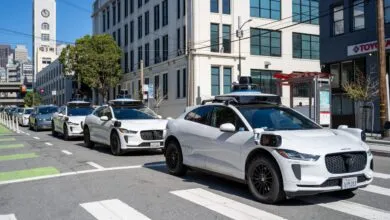
The cost difference between a ride in a Waymo robotaxi and a traditional ride-hailing service like Uber is getting smaller. Recent data reveals this narrowing price gap is driven by two simultaneous trends: Waymo has reduced its fares in key markets, while the cost of rides with human drivers on platforms like Uber and Lyft has increased. This shift indicates a maturing market where autonomous vehicle services are becoming more competitively priced against established options.
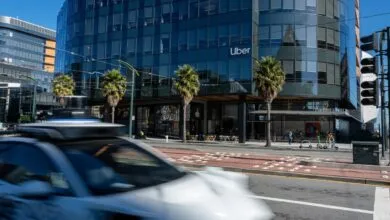
According to a new analysis, the average cost for a Waymo ride in the San Francisco Bay Area was $19.69. A comparable Uber ride averaged $17.47, with Lyft coming in at $15.47. This data, gathered from simulating tens of thousands of ride requests, shows a significant change from earlier in the year. Compared to figures from last spring, Waymo’s average price has fallen by nearly four percent. In contrast, Uber’s average fare rose by twelve percent, and Lyft’s increased by seven percent. Industry observers note that the initial premium customers were willing to pay for the novelty of a driverless ride is diminishing, pushing companies like Waymo to compete more directly on price.
A surprising element in the latest report is the inclusion of Tesla’s emerging ride-hailing service, which appeared to be significantly cheaper than its rivals. However, this data comes with major qualifications. Tesla is not operating a permitted, commercial driverless robotaxi service in California. Instead, it uses employees behind the wheel of vehicles running its Full Self-Driving software under a different regulatory framework. The company’s current fleet in the region is also relatively small, which impacts availability.
This limited scale is reflected in longer customer wait times. The data showed Tesla had the longest average wait, over fifteen minutes. Waymo’s wait time was just under six minutes, while Uber and Lyft were around five and three minutes, respectively. These factors, human drivers, fleet size, and wait times, make it difficult to predict how Tesla would price a fully scaled, driverless service. Analysts suggest that if Tesla can successfully deploy a camera-only autonomous system at scale, it could potentially offer lower prices than competitors who use more expensive sensor suites.
Beyond pricing, the competition is also a battle for consumer preference. A related survey found that while Waymo remains the most preferred autonomous brand, Tesla holds a strong second-place position despite not yet operating a true robotaxi service. This brand affinity, particularly pronounced among male respondents, suggests significant potential future demand. Experts see value in Tesla’s current approach, using safety drivers to build brand familiarity and preference ahead of a full commercial launch.
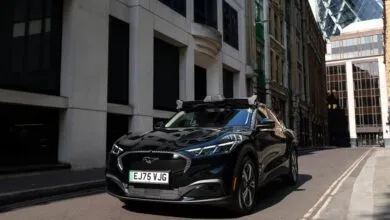
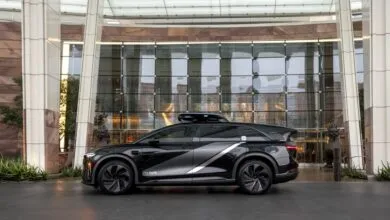
The coming year is poised for major developments in the autonomous vehicle sector. Waymo is expanding into new cities and partnering with traditional ride-hail apps. It is also preparing to deploy a new, purpose-built vehicle developed with Zeekr, which could lower operational costs and allow for more aggressive pricing. Meanwhile, other players are entering the fray. Companies like Nuro and Motional are preparing to launch services in partnership with Uber, and startups like Avride are also forming alliances to bring robotaxis to more cities.
The landscape is evolving rapidly, with numerous companies vying for market share in what is still an early-stage industry. The key questions now focus on which companies can move quickly to capture consumer trust and achieve the scale necessary to make autonomous ride-hailing a widespread, economically viable reality. The narrowing price gap is just the first sign of the intense competition ahead.
(Source: TechCrunch)