Roland TR-1000: The Ultimate Drum Machine for Creators
▼ Summary
– Roland has released the TR-1000, a long-awaited analog successor to the iconic TR-808 drum machine, featuring authentic analog drum circuits.
– The device is a feature-rich powerhouse, combining analog sounds with digital emulations, FM synthesis, PCM samples, a sampler, extensive effects, and a modern sequencer.
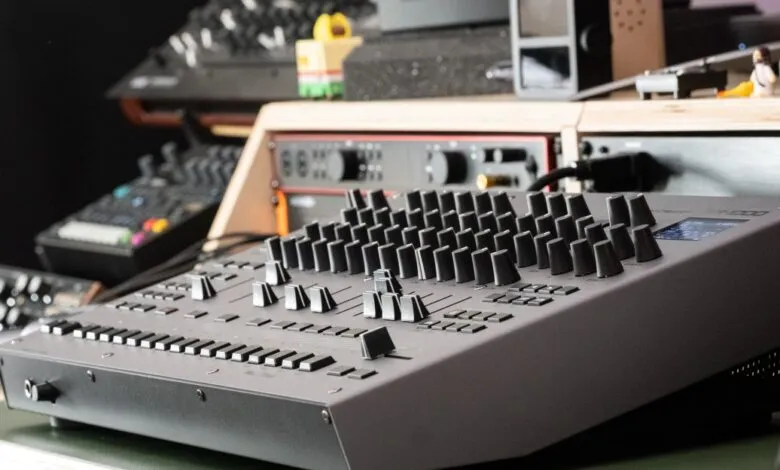
– Its design is utilitarian and industrial, with a stark gray-and-black color scheme and a comprehensive array of hands-on physical controls for immediate, menu-light operation.
– While incredibly powerful, the TR-1000 is complex and expensive ($2,699.99), with some advanced features like sample chopping feeling unintuitive and tacked-on.
– The instrument excels as a modern performance tool, particularly with features like the Morph slider and Step Loop, making it ideal for creating dynamic, varied drum tracks.
After a long wait, Roland has delivered a proper analog successor to the legendary TR-808 drum machine. The sound of the 808, particularly its iconic bass drum, is woven into the fabric of modern music, making its influence impossible to overstate. This new flagship instrument, however, is far more than a simple reissue. It combines authentic analog circuitry with a vast array of digital tools, creating a powerhouse designed for the modern creator. The Roland TR-1000 stands as a comprehensive studio centerpiece, though its extensive capabilities come with a steep learning curve and a premium price tag of $2,699.99.
The design philosophy is serious and industrial. Moving away from some past, more playful aesthetics, the TR-1000 presents a stark gray-and-black facade that feels both professional and imposing. Sixteen tactile pads line the bottom for step sequencing, accompanied by firm channel sliders and a generous array of knobs and buttons. Roland has clearly prioritized hands-on control, minimizing the need for constant menu navigation. For anyone familiar with step sequencers, crafting a basic beat is instantaneous. Dedicated knobs for tuning and decay allow you to quickly shape that quintessential, booming 808 kick drum.
Of course, this is still a Roland instrument, which means depth and complexity are part of the package. The company has improved its user interface in recent years, but a familiar tendency to pack in every conceivable feature remains. The built-in sampler with looping and chopping abilities is a prime example. While excellent for loading one-shot drum hits, using it for more intricate sample manipulation can feel unintuitive, buried behind layered menus. Many users may find themselves treating the TR-1000 as a sophisticated traditional drum machine, leaving some of its advanced digital features largely unexplored.
From that traditional perspective, the machine is a resounding success. The heart of the TR-1000 is its 16 authentic analog drum circuits, meticulously recreating the classic sounds of the TR-808 and TR-909. If you don’t crave that genuine analog texture, more affordable digital options exist. But for purists and professionals seeking the real deal, this is the instrument. These sounds are not retro; they are timeless, and here they are enhanced by a modern sequencer capable of probability, automation, and microtiming.
A standout feature is the gritty analog filter and drive circuit. This not only helps blend the diverse analog and digital sounds but also allows you to push the iconic drums into new, aggressive territories. Crank the drive on an 808 kick with a long decay, and you achieve a devastating, chest-rattling bass tone that is endlessly inspiring. Roland didn’t just replicate the past; they expanded upon it. Extended controls offer more sound-sculpting options than the original machines, like tuning the 808 kick to play melodic basslines directly.
The digital emulations, using Roland’s Analog Circuit Behavior (ACB) technology, are impressively convincing. In a blind test, distinguishing the ACB model of an 808 kick from the true analog circuit on the TR-1000 is a serious challenge. This section also houses a treasure trove of other classic Roland drum machine sounds, from the lo-fi charm of the TR-606 to the distinctive character of the CR-78.
In practice, the workflow often encourages shorter, evolving patterns. The sequencer is built around a 16-step core with eight variations and four “fill-in” versions for each. This structure promotes working with one- or two-bar loops and building numerous subtle variations, leading to more dynamic and performative drum tracks. The Morph slider is a brilliant performance tool, allowing you to seamlessly blend between two completely different sets of sound parameters. It’s perfect for transitioning from a clean pattern to a driven, explosive version.
Another exceptional feature is the innovative Step Loop function. Unlike simpler repeat functions, it lets you manually hold any combination of steps to create custom, on-the-fly fills and rhythmic loops. This turns fill creation into an active, performative act rather than a pre-programmed event.
Despite its brilliance, the TR-1000’s sheer scope can be overwhelming. Features like detailed time-stretching, the virtual analog synth engine, and a comprehensive song mode may go unused by many. The individual track outputs are a boon for professional studios but may be superfluous for a bedroom setup. Ultimately, the TR-1000 is a monumental achievement, a true “ultimate drum machine.” However, its value is inextricably linked to how much of its vast potential you intend to harness. If you plan to use it primarily for its unparalleled analog sounds and intuitive performance features, it’s a deeply rewarding instrument. If you won’t explore its deepest capabilities, the investment is harder to justify.
(Source: The Verge)