Why Walmart Still Doesn’t Accept Apple Pay
▼ Summary
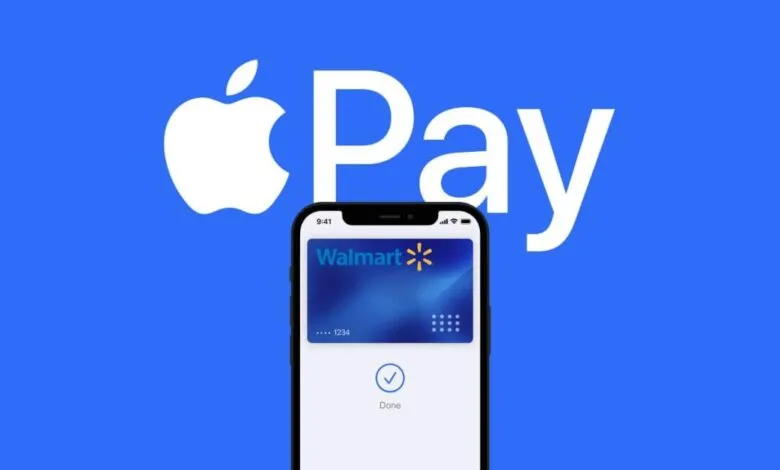
– As of 2026, Walmart does not accept Apple Pay or any NFC-based contactless payments in its US stores, a notable exception among major retailers.
– Walmart instead promotes its own payment system, Walmart Pay, which uses QR codes through its app and is less convenient than tap-to-pay.
– A primary reason for this policy is data collection, as Walmart Pay and Scan & Go link purchases directly to a customer’s account for profiling and targeted marketing.
– The decision is not due to Apple Pay fees, as businesses pay no extra fees to Apple, but stems from Walmart’s desire to control the payment experience and customer data.
– Walmart’s stance is criticized as user-hostile and driven by data collection over customer convenience, frustrating shoppers with no indication of a policy change.
Imagine walking into a massive retail store in 2026, ready to pay with a quick tap of your phone, only to find that one of the world’s largest retailers still refuses to accept the most popular contactless payment method. This is the reality for shoppers at Walmart stores across the United States, where Apple Pay remains conspicuously unsupported. While many other major chains have adopted the technology, Walmart continues to operate as a notable holdout, a decision that frequently sparks discussion and frustration online.
It’s crucial to understand that the issue isn’t solely about Apple. Walmart does not accept any form of NFC-based payment within its U.S. locations. This blanket policy means Google Pay, Samsung Pay, and even the tap-to-pay function on your physical credit or debit card are also disabled at the checkout terminal. For clarity, this stance is specific to the United States; Walmart stores in countries like Canada do welcome Apple Pay.
The primary alternative offered by the retailer is its proprietary system, Walmart Pay. Launched in 2016, this platform operates differently than standard contactless payments. Instead of using near-field communication (NFC) for a simple tap, it relies on a QR code system. Customers must load a payment card into the Walmart app and then scan a code displayed at the register. Many users find this process less seamless than the instant tap provided by Apple Pay.
For subscribers to Walmart+, there is an additional option called Scan and Go. This service allows shoppers to scan items with their phone as they move through the aisles and then pay at a self-checkout station to complete their purchase. Even within this streamlined shopping method, Apple Pay is not an available payment option.
A significant driver behind Walmart’s resistance is data collection. The company heavily relies on understanding customer purchasing habits for targeted advertising and marketing initiatives. When a shopper uses Walmart Pay or Scan and Go, every transaction is effortlessly linked to their Walmart account, building a detailed profile of their shopping behavior. Apple Pay, with its strong privacy safeguards, makes this type of tracking far more difficult. Apple’s system does not share a user’s actual card details with the merchant, limiting the data Walmart can collect. Encouraging use of its own payment platforms ensures Walmart retains valuable customer insights.
A frequent misconception is that Walmart avoids Apple Pay to sidestep extra fees. This is not accurate. Merchants do not pay a direct fee to Apple for accepting Apple Pay transactions; they pay the standard processing fees charged by card networks. Apple’s fees are typically handled by the card-issuing banks. Interestingly, Walmart has installed modern payment terminals capable of processing contactless payments in many stores, but has deliberately disabled the NFC functionality. This move appears designed to steer customers toward using Walmart’s own payment solutions.
Walmart has publicly defended its position. In a recent statement, the company asserted that it believes Walmart Pay offers a more convenient, touchless solution that works on any smartphone. It also highlighted investments in technologies like Scan and Go, which allow members to bypass traditional checkout lines entirely.
From a customer perspective, these justifications often fall short. The continued refusal to accept a widely-used, secure, and convenient payment method is increasingly viewed as prioritizing corporate data interests over shopper convenience. A glance at social media reveals growing customer irritation with this policy. While other longtime holdouts like Kroger and Home Depot have eventually adopted Apple Pay, Walmart shows no indication of following suit. This steadfast position influences where some consumers choose to shop, with the lack of payment options becoming a tangible point of friction.
Does Walmart’s stance on Apple Pay affect where you decide to shop? Have you adopted Walmart Pay for your purchases? Share your thoughts in the comments below.
(Source: 9to5Mac)