Nintendo Denies AI Use in ‘My Mario’ Marketing Campaign
▼ Summary
– Nintendo has officially stated that AI was not used in any of the promotional images for its ‘My Mario’ collection.
– The campaign faced online accusations of using AI, primarily due to perceived anatomical oddities in some models’ hands and fingers.
– A model featured in the campaign directly refuted the AI claims by stating the photos were real.
– AI image detectors produced wildly inconsistent results when analyzing the images, making their conclusions unreliable.
– This incident follows previous AI accusations against Nintendo, though the company has a stated preference to avoid AI in game development.
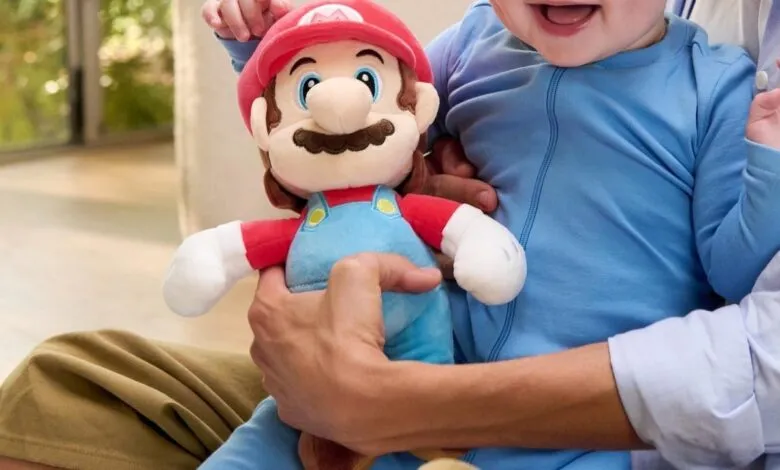
Nintendo has officially denied using artificial intelligence to create promotional images for its upcoming ‘My Mario’ collection, directly addressing a wave of online speculation. The company issued a statement clarifying that AI played no role in the campaign’s photography, putting to rest debates that erupted across social media platforms shortly after the marketing materials were revealed.
The controversy began when the campaign images, depicting families enjoying the new products, were shared online. Observers quickly pointed to anatomical inconsistencies in some of the models’ hands, citing a particularly bent thumb and other unusual finger placements as potential evidence of AI generation. For many internet users, such details have become a common red flag, as generative AI tools have historically struggled with rendering realistic human hands.
However, the situation proved far from straightforward. One of the models featured in the photographs, Brittoni O’myah Sinclair, publicly commented on the allegations. On Instagram, she confirmed her participation, writing, “As one of the models, I can promise you this is not AI guys.” This firsthand account introduced significant doubt into the initial AI accusations.
The online reaction was divided. While some users remained convinced by the perceived digital artifacts, others defended the authenticity of the images. Many argued that human hands can naturally appear awkward in photographs, and that jumping to conclusions based on a single odd angle is premature. “I know the hands may look weird but that’s what hands do,” noted one user on Bluesky, critiquing the rush to label anything unusual as artificial.
Further muddying the waters, independent analysis using various AI image detectors produced wildly conflicting results. One set of tools suggested a high probability of AI generation for the controversial “weird thumb” image, while indicating a very low chance for the other three photos. A different detector concluded the opposite, assigning a high probability of standard digital editing to all images except the thumb photo. These inconsistent findings highlight the current unreliability of such detection software and underscore the need for caution when interpreting their outputs.
Industry standard practices also offer a plausible explanation. It is routine for marketing images, including those from Nintendo, to undergo post-production editing with tools like Photoshop. A simple editing error or an overly aggressive retouching job could easily create the unnatural hand appearances that sparked the debate, without any involvement of generative AI.
This incident is not Nintendo’s first encounter with such allegations. Earlier in the year, the company also denied using AI-generated images in the development of Mario Kart World, after fans theorized about AI placeholders in the game’s artwork. The company’s creative lead, Shigeru Miyamoto, has previously expressed that Nintendo prefers to chart its own course regarding AI in game development, rather than following industry trends.
Ultimately, Nintendo’s direct statement provides a definitive answer. The discussion reflects a broader cultural moment where public skepticism toward digital media is at an all-time high, and the lines between human creation, digital enhancement, and artificial generation are increasingly blurred. While healthy scrutiny is valuable, this case demonstrates that not every unusual image is a product of AI.
(Source: Nintendo Life)